Need to be near Midtown without feeling like you live in the middle of the office district? Murray Hill often lands on the shortlist for exactly that reason. If you are relocating, renting, or buying in Manhattan, this neighborhood offers a practical mix of commute ease, varied housing stock, and everyday convenience. Here’s what to know before you make your move.
Why Murray Hill works for Midtown
Murray Hill sits on Manhattan’s East Side and falls within Manhattan Community Board 6. Its historic core is centered around Park and Lexington Avenues between East 35th and East 38th Streets, with landmark materials noting buildings from 1863 through 1955.
For many movers, the appeal is simple. You get a residential neighborhood feel that stays close to Midtown’s office core, which can make daily life more manageable if your workdays are busy and your commute matters.
What the neighborhood feels like
Murray Hill is often described as a convenience-first Manhattan neighborhood. StreetEasy notes that it is within walking distance of Grand Central Terminal and popular with professionals who want an easier commute.
The area also tends to stay active late into the day. Everyday services like gyms, dry cleaners, salons, and delivery options are often easy to find, which can be a real plus when your schedule runs long.
That said, Murray Hill tends to attract people who prioritize efficiency over a highly distinct neighborhood identity. If your main goal is getting to work quickly, running errands easily, and having practical day-to-day access, that tradeoff may work in your favor.
Transit options that save time
For Midtown access, Murray Hill’s transit setup is a major advantage. The 6 train connects directly to Grand Central 42 St on the Lexington Avenue local.
The 7 train adds useful crosstown reach, including service to Times Sq 42 St and 34 St Hudson Yards. That gives many residents a straightforward route to East Midtown, the Grand Central corridor, and Hudson Yards.
If you use regional rail, Grand Central Madison is another important asset. The MTA says the facility opened in January 2023 as a 690,000-square-foot terminal under Grand Central, making the area especially practical for people who need Long Island Rail Road access.
Housing types vary block by block
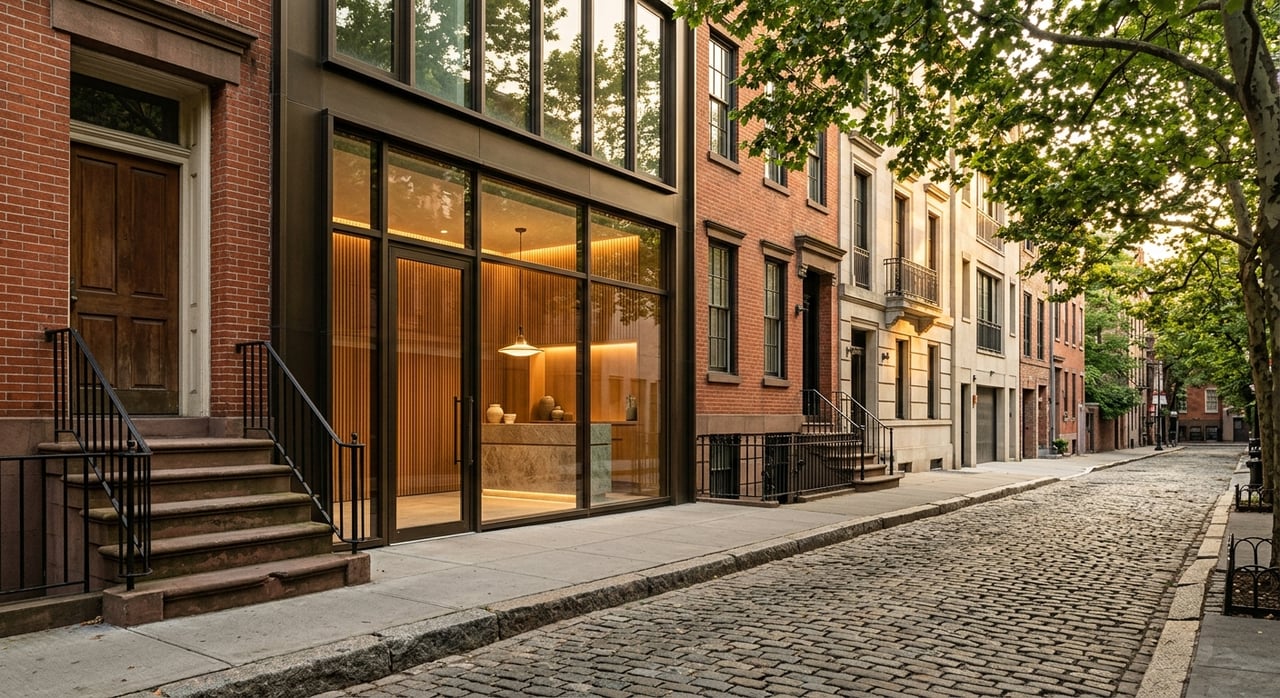
One of the most important things to understand about Murray Hill is that the housing stock changes fast from one block to the next. StreetEasy reports that most buildings are either small walk-ups on side streets or large towers on major cross streets, with pockets of historic architecture mixed in.
That means your apartment search may include very different options within a short distance, such as:
- Older walk-up buildings
- Lower-rise prewar apartments
- Landmark-adjacent rowhouse blocks
- Newer elevator buildings
- Full-service towers on larger avenues
This variety can be helpful if you want choices, but it also means you should compare buildings carefully. Two listings with similar square footage can offer very different day-to-day living experiences depending on layout, services, and building condition.
What Murray Hill costs right now
Murray Hill is not typically considered a bargain by city standards, but many buyers and renters still see it as a strong choice for Midtown access. As of May 2026, Realtor.com reports a median listing price of $850,000 and a median rent of $5,010 per month.
The same market snapshot shows 292 homes for sale and 369 rentals. Homes were selling for about 97 percent of asking price, with a median of 62 days on market.
For you, that means Murray Hill offers active inventory and a broad range of options, but price discipline still matters. It helps to decide early whether you want to stretch for services like an elevator, doorman, or newer finishes, or prioritize budget and accept walk-up tradeoffs.
How to shortlist the right apartment
If you are moving to Murray Hill for convenience, the best apartment is not always the one with the flashiest photos. It is the one that fits how you actually move through your week.
Start with your commute path
Think beyond the neighborhood label and focus on your daily route. An apartment closer to the 6 may work best if you spend most of your time in East Midtown, while a setup with easy access to Grand Central or the 7 may be more useful if you travel across Midtown or use Long Island Rail Road service.
Compare building types carefully
Walk-ups, elevator buildings, and full-service towers can feel very different in practice. A side-street walk-up may offer charm and a lower monthly cost, while a larger building on a major cross street may give you more convenience and service.
Check maintenance basics
The city’s housing report for the Gramercy Park–Murray Hill area shows lower-than-most-neighborhood levels for rent-burdened households, crowding, and renter-occupied homes with health-related housing problems. At the same time, it reports higher-than-most carbon monoxide incidents without detectors, which makes it especially important to verify maintenance standards and detector compliance when you tour or review a building.
Stay realistic on budget
Use current pricing as your baseline, then weigh your tradeoffs. In Murray Hill, paying more may buy you a smoother building experience, while spending less may mean choosing an older walk-up or a location farther from your preferred transit access.
Who Murray Hill tends to suit best
Murray Hill can be a strong fit if you want Manhattan access with a practical, commute-oriented setup. It often appeals to renters and buyers who value location, transit, and daily convenience over a more destination-driven neighborhood feel.
You may want to look closely at Murray Hill if you are:
- Relocating for a Midtown job
- Working long hours and want easier errands
- Commuting through Grand Central
- Using Long Island Rail Road regularly
- Comparing East Side neighborhoods with mixed housing options
For many time-pressed professionals, that combination is the whole point. Murray Hill keeps the city accessible without requiring a complicated daily routine.
Why local guidance matters here
Because Murray Hill changes block by block, your result depends on more than just choosing the neighborhood. The right fit comes from matching your budget, building type, and commute pattern with what is actually available in the market.
That is where a neighborhood-first approach can help. If you are weighing rentals, condos, or co-ops in this part of Manhattan, a clear process and responsive guidance can save time and help you avoid expensive compromises.
If you are considering a move to Murray Hill, Ava Anz can help you evaluate the neighborhood, compare building options, and move forward with a smart plan that fits your timeline.
FAQs
Is Murray Hill a good neighborhood for Midtown commuters?
- Yes. Murray Hill is known for its close access to Grand Central, the 6 train, and the 7 train, which can make trips to East Midtown, Times Square, and Hudson Yards more straightforward.
What types of apartments can you find in Murray Hill?
- Murray Hill includes a mix of small walk-ups, lower-rise buildings, historic pockets, newer elevator properties, and larger full-service towers on major cross streets.
How expensive is Murray Hill for renters and buyers?
- As of May 2026, reported market data shows a median listing price of $850,000 and a median rent of $5,010 per month, which places Murray Hill in a higher-priced but convenience-driven Manhattan bracket.
What should renters and buyers check in Murray Hill buildings?
- Focus on building type, commute access, maintenance condition, and detector compliance, especially since local housing data shows higher-than-most carbon monoxide incidents without detectors.
Is Murray Hill better for lifestyle or convenience?
- For many people, Murray Hill stands out more for convenience. It is often chosen for commute efficiency, late-day services, and practical access to Midtown rather than for a highly distinct neighborhood identity.