Wondering if Hell’s Kitchen still feels like a real neighborhood, or if Midtown has completely taken over? The honest answer is that it offers both. If you are thinking about renting, buying, or selling here, it helps to understand how the area actually lives today, from its housing mix and street energy to transit access and waterfront space. Let’s dive in.
Hell’s Kitchen at a Glance
Hell’s Kitchen, often treated interchangeably with Clinton in city documents, sits on Manhattan’s west side within Community District 4. The area is shaped in part by the Special Clinton District, which was created to preserve residential character, small-scale stores, and a lower-scale street life even as Midtown continues to press west.
That planning history still matters when you walk the neighborhood today. You can feel the difference between the busier commercial corridors and the more residential side streets, especially west of Eighth Avenue.
Street Feel Today
The day-to-day feel of Hell’s Kitchen depends a lot on the block. Eighth Avenue and the 42nd Street edge tend to feel more commercial, more crowded, and more transit-oriented. The side streets farther west often feel more residential in scale, even though you are still very much in Midtown West.
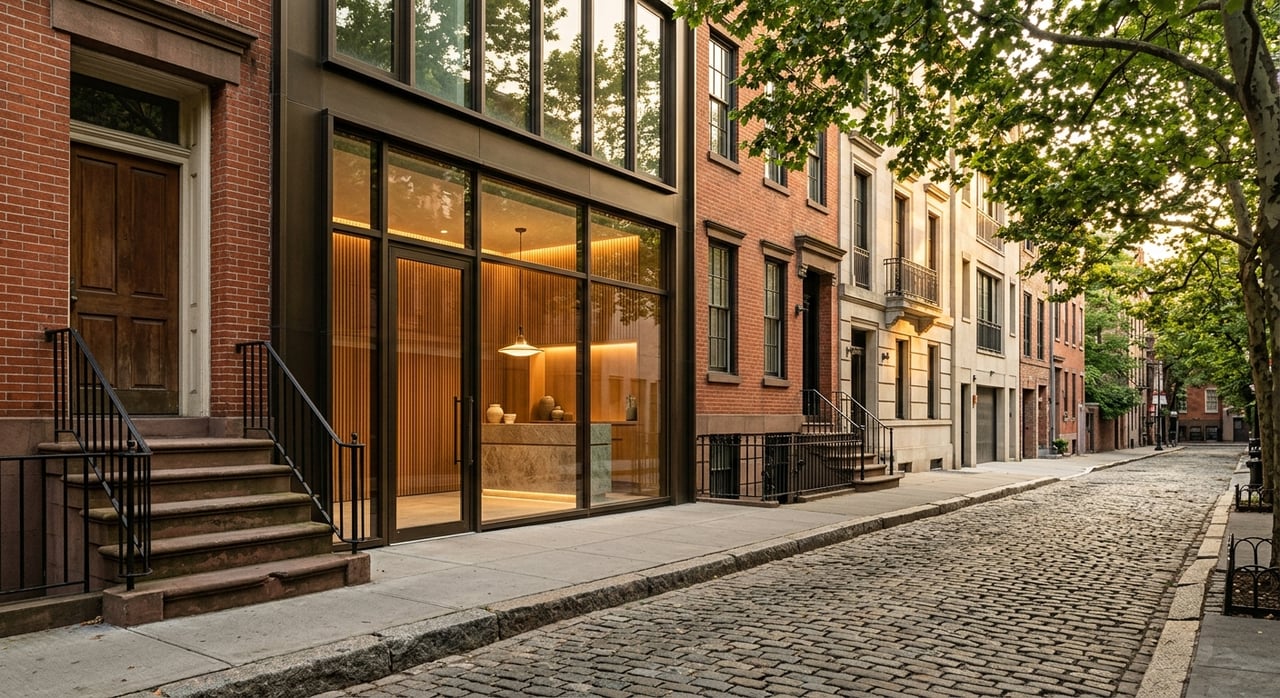
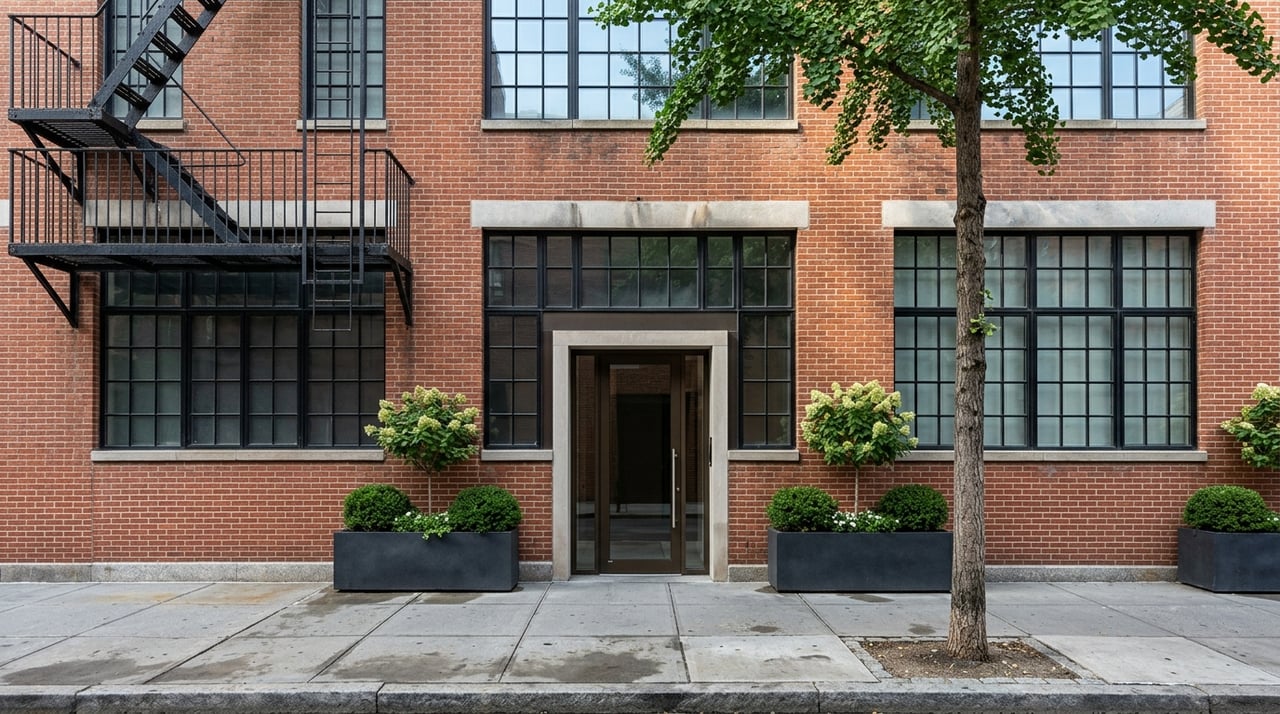
City planning documents describe this mix clearly. In the same neighborhood, you may see low-rise four- to five-story walk-ups, five- to six-story elevator buildings, preserved older tenements, and taller buildings ranging up to 60 stories.
That contrast is part of what makes Hell’s Kitchen distinct. It does not read as one uniform apartment district or one uniform luxury zone. Instead, it feels layered, with older residential fabric sitting alongside newer development and major city infrastructure.
Why the Area Feels So Busy
If Hell’s Kitchen feels active at nearly all hours, that is not your imagination. The neighborhood sits near major destinations and commuter routes, so many people on the street are not residents.
NYC DOT reported in 2026 that pedestrians make up more than half of Ninth Avenue users and that sidewalk overcrowding continues between West 34th and 50th Streets. In practical terms, that means convenience comes with volume. You get strong access to restaurants, transit, and city life, but you should also expect foot traffic, deliveries, and a generally fast pace.
The neighborhood traffic study adds more context. Restaurant Row, Theater Row, the Port Authority Bus Terminal, the Javits Center, the Intrepid, the Hudson River Greenway, and the cruise terminal all draw people into the area. That helps explain why the streets can feel lively well beyond the usual rush hour or dinner window.
Housing Types You’ll Find
One of the most important things to know about living in Hell’s Kitchen is that the housing stock is mixed. This is not a neighborhood where every building looks or lives the same way.
You will find prewar tenements, rowhouse blocks, walk-ups, elevator buildings, and newer towers, particularly near major corridors and redevelopment sites. That variety gives renters and buyers a broader set of options than in some more uniform Manhattan neighborhoods.
The Special Clinton District also reflects a long-standing effort to preserve neighborhood-scale housing and protect the existing income mix. That does not make Hell’s Kitchen inexpensive, but it does help explain why older building types and smaller-scale streets still remain part of the neighborhood’s identity.
Renting in Hell’s Kitchen
For renters, Hell’s Kitchen stands out as a neighborhood with substantial rental inventory and a long tenant-protection history. Community Board 4 has described the district as primarily a rental community that depends on rent regulation, subsidies, and public housing to help maintain affordability.
At the same time, it is important to stay realistic. Hell’s Kitchen is not considered a low-cost neighborhood, and Community Board 4 has also pointed to displacement pressure from rising rents.
If you are searching here, it helps to think less in terms of one average apartment experience and more in terms of tradeoffs. A walk-up on a quieter side street, an elevator building in the middle blocks, and a newer tower near a major corridor can each offer a very different lifestyle.
Buying in Hell’s Kitchen
For buyers, Hell’s Kitchen can be appealing if you want a central Manhattan location with strong transit access and a neighborhood that still has visible architectural variety. The area offers a mix of older and newer housing, plus quick access to Midtown, Downtown, Brooklyn, and New Jersey.
The lifestyle fit matters as much as the apartment itself. If you value convenience, walkability, and being close to restaurants, theater activity, and the waterfront, Hell’s Kitchen can make a strong case.
If your priority is a quieter, more purely residential setting, some blocks may feel better than others. This is one of those Manhattan neighborhoods where hyperlocal guidance matters because the feel can shift noticeably from avenue to avenue and even from one cross street to the next.
Dining and Nightlife
Food and entertainment remain a big part of Hell’s Kitchen’s identity. The eastern edge connects to the Theater Subdistrict, which was established in part to preserve a major concentration of theaters and entertainment-related uses.
Restaurant Row is one of the neighborhood’s most recognized draws. In 2025, Council Member Erik Bottcher noted that West 46th Street between Eighth and Ninth Avenues had grown to 35 establishments, serving theatergoers and local residents alike.
That concentration shapes everyday life in the area. You have easy access to a wide range of dining options, and the streets often stay active before and after showtimes.
For some residents, that energy is a major benefit. For others, it is a reminder that living here means sharing the neighborhood with visitors, commuters, and nightlife traffic.
Parks and Waterfront Access
One of Hell’s Kitchen’s biggest quality-of-life advantages is its connection to the Hudson River waterfront. Hudson River Park extends up to West 59th Street in this part of Manhattan and offers a meaningful outdoor escape from the density of Midtown.
The park is open daily from 6:00 AM to 1:00 AM. In the Hell’s Kitchen stretch, you can access the waterfront bikeway, Pier 84’s lawn, a dog run, a boathouse, bike rentals, and kayaking.
The area also includes Pier 86’s Intrepid Museum and Pier 83’s Circle Line cruises. That means the waterfront is not just scenic. It is also active, programmed, and connected to the broader identity of the neighborhood.
Smaller green spaces help too. Community resources in the district include Hells Kitchen Park, De Witt Clinton Park, Clinton Community Garden, Chelsea Park, and several playground and park associations.
Transit and Commuting
Transit is one of the clearest reasons people choose Hell’s Kitchen. The neighborhood offers easy access to several major subway connections, which makes getting around the city and beyond more manageable without a car.
Nearby stations include 42 St-Port Authority Bus Terminal on the A, C, E; 34 St-Penn Station on the A, C, E and 1, 2, 3; and 57 St-7 Av on the N, Q, R, W. For many residents, that means practical access to Midtown offices, Downtown destinations, Brooklyn connections, and New Jersey travel.
This kind of transit coverage can be especially valuable if your schedule changes often or if you want flexibility in how you move through the city. It is one of the neighborhood’s strongest everyday advantages.
Is Hell’s Kitchen a Good Fit?
Hell’s Kitchen tends to work well if you want to be in the middle of things. It is central, walkable, transit-rich, and tied into restaurants, theaters, and waterfront recreation.
The tradeoff is that it is also a high-traffic part of Midtown West. Noise, crowded sidewalks, and redevelopment pressure are part of the package, especially near the busiest corridors.
In simple terms, Hell’s Kitchen may be a good fit if you value convenience and urban energy more than calm and separation. If your goal is a quieter block and an easier car-oriented lifestyle, you may want to compare it with more residential-feeling neighborhoods.
What to Consider Before You Move
Before choosing Hell’s Kitchen, it helps to focus on your own routine rather than the neighborhood’s reputation alone. The right fit often comes down to how you live day to day.
Ask yourself:
- Do you want fast subway access and easy connections across Manhattan and beyond?
- Do you enjoy busy streets, active sidewalks, and a neighborhood that stays lively?
- Would you use the Hudson River Park waterfront regularly?
- Are you open to comparing very different building types, from walk-ups to newer towers?
- Do you prefer being close to restaurants and theater activity, even if that means more noise and foot traffic?
Those questions can quickly clarify whether Hell’s Kitchen matches your priorities.
If you are weighing a move, purchase, or sale in Hell’s Kitchen, working with someone who understands Manhattan block by block can make the process much more efficient. To talk through your goals with a neighborhood-focused, market-savvy partner, schedule a consultation with Ava Anz.
FAQs
What is living in Hell’s Kitchen like today?
- Living in Hell’s Kitchen today means being in a central, walkable, transit-rich part of Midtown West with a mix of residential side streets, busy avenues, strong restaurant activity, and easy waterfront access.
What types of apartments are common in Hell’s Kitchen?
- Hell’s Kitchen includes prewar tenements, rowhouse blocks, walk-ups, elevator buildings, and newer towers, so apartment options vary a lot by block and building type.
Is Hell’s Kitchen good for renters in Manhattan?
- Hell’s Kitchen is notable for its large rental presence and tenant-protection history, but it is not a low-cost neighborhood and renters should expect different price points and living experiences across the area.
Is Hell’s Kitchen a convenient neighborhood for commuting?
- Yes, Hell’s Kitchen offers strong subway access through nearby stations including 42 St-Port Authority, 34 St-Penn Station, and 57 St-7 Av, making it easier to reach Midtown, Downtown, Brooklyn, and New Jersey.
Does Hell’s Kitchen have parks and outdoor space?
- Yes, Hell’s Kitchen benefits from Hudson River Park along the waterfront as well as smaller local parks and gardens such as Hells Kitchen Park, De Witt Clinton Park, and Clinton Community Garden.
Is Hell’s Kitchen quiet or busy?
- Hell’s Kitchen is generally busy, especially near Eighth Avenue, Ninth Avenue, and major destinations, while some side streets west of Eighth Avenue can feel more residential in scale.