Choosing between a condo and a co-op in Flatiron can feel like two different playbooks. The rules, costs, and timelines shape your search, your financing, and your resale plan. If you want clarity before you start touring, you are in the right place. This guide breaks down how condos and co-ops in Flatiron truly differ so you can buy with confidence. Let’s dive in.
Flatiron inventory at a glance
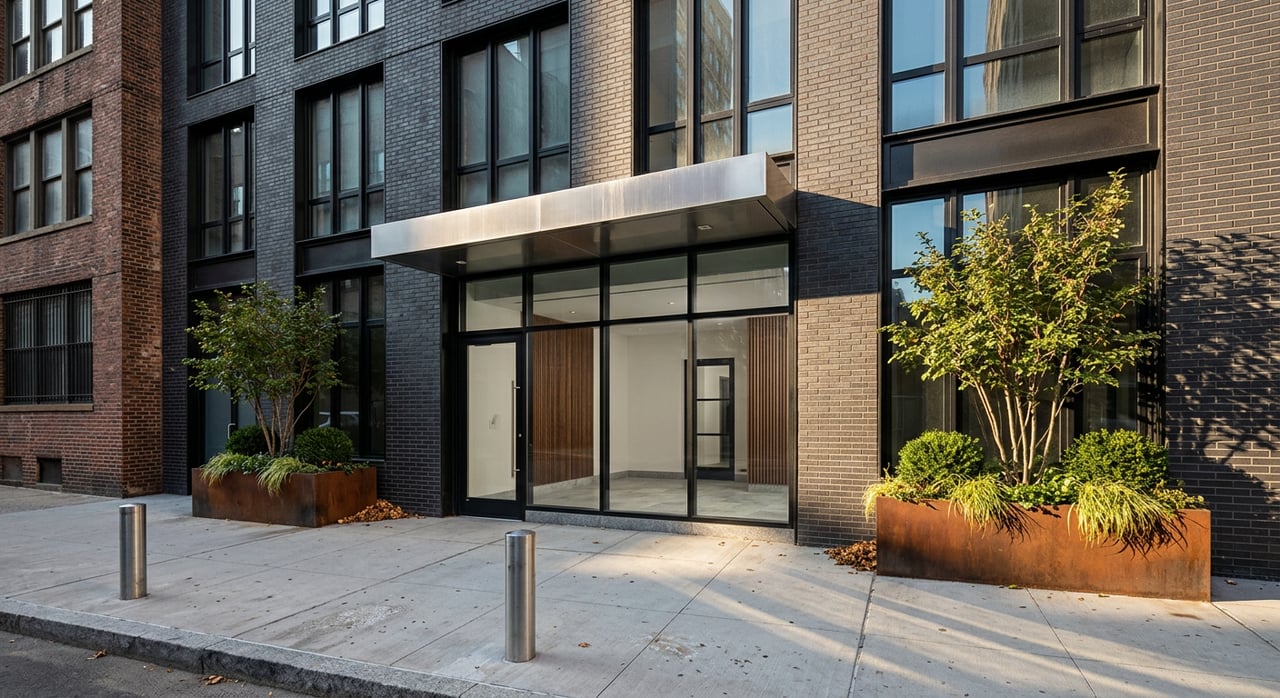
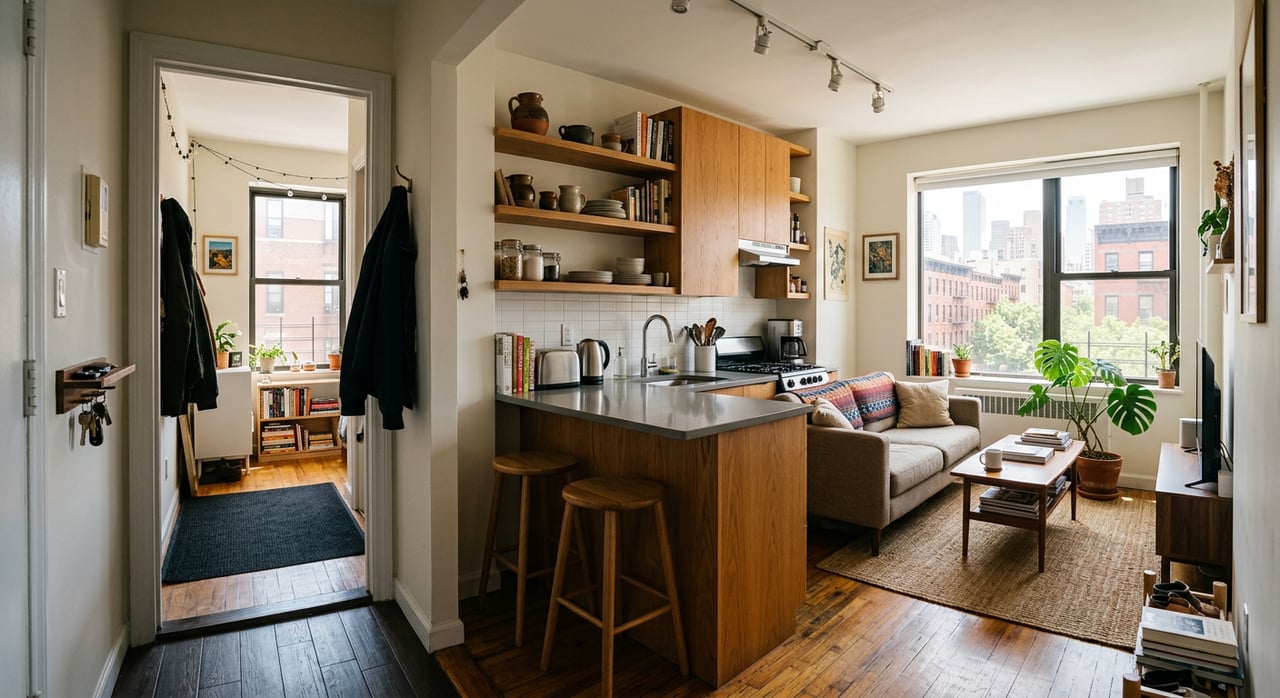
Flatiron blends historic charm with modern towers. Many prewar and mid-century buildings are co-ops, often with compact layouts and character details. Newer developments and conversions along Broadway, Fifth Avenue, Park Avenue South, and near Union Square skew condo and bring taller ceilings, amenity packages, and updated systems.
What this means for you: if you want more options at certain price points and do not mind older buildings, co-ops can offer broader variety. If you want new-build features, amenities, and clearer rules for investors and pied-à-terre use, you will likely focus on condos.
Financing and down payment norms
Typical condo financing looks like standard home lending. Many condos accept 10 to 20 percent down, though lenders or sponsors may prefer 20 to 25 percent in some cases. Underwriting focuses on your income, assets, credit, and the property as collateral.
Co-op financing is different. You buy shares in a corporation, and a board must approve you. Many co-ops require 20 to 25 percent down as a minimum, and some boards prefer 25 to 50 percent. Boards often expect strong post-closing liquidity and conservative debt-to-income ratios. Government-backed programs like FHA or VA are less common in co-ops and may require specific approvals.
Practical financing steps
- Confirm building eligibility early if you plan a high-ratio mortgage or FHA/VA loan.
- Ask the listing agent for building financials and house rules, and share them with your lender up front.
- Work with a lender experienced in NYC co-ops if you are considering a co-op.
Board approval and living rules
Co-op approvals involve a formal board package with detailed financials, tax returns, statements, reference letters, and often an interview. Approvals can take 4 to 8 or more weeks, depending on scheduling and building practice. Boards have broad discretion to approve or deny applicants.
Condo approvals are typically administrative. You still submit an application and may have background and bank reference checks, but interviews are rare. Timelines are usually faster than co-ops.
Subletting and use rules
- Co-ops often restrict subletting. Common policies include an owner-occupancy period before subletting, caps on the number of rented units, and specific sublet applications and fees. Many co-ops do not allow short stays.
- Condos are usually more flexible with subletting and investor ownership, though buildings can impose caps or requirements. Sponsor condos may have additional rules.
- Short-term rentals under 30 days without the owner present are generally prohibited by NYC law. Both condos and co-ops enforce this, and co-ops often police it more tightly.
Costs, taxes, and monthly charges
Co-op owners pay a monthly maintenance fee that typically covers building operating costs and includes the building’s property taxes. It can also reflect the building’s underlying mortgage and insurance. Shareholders receive an annual statement for tax reporting.
Condo owners pay monthly common charges for building operations and amenities. Property taxes are billed directly to each owner. This creates different cash flow and tax timing than co-ops.
Closing costs differ, too. Condos transfer real property and typically include standard recording and transfer taxes. Co-ops transfer shares, so the cost structure is different. Both may have flip taxes or transfer fees. Verify who pays each fee in your contract.
Timelines and closing steps
Condos commonly close in about 30 to 60 days once financing is organized. The process is often simpler because there is no board interview and title insurance is standard.
Co-ops often close in 45 to 90 days due to the board package, interview scheduling, and building approvals. Delays can arise from board questionnaires, building counsel review, or required waiver letters.
What paperwork to expect
- Co-op: board package, proprietary lease, house rules, financial disclosures, interview, and building approvals.
- Condo: contract of sale, offering plan if sponsor, estoppel certificate, certificate of occupancy, bylaws, board minutes, and title insurance.
Resale and investor outlook
Condos in Manhattan’s premium segments often command higher prices per square foot, driven by amenities, flexible ownership rules, and modern finishes. Co-ops can trade at lower prices per square foot for comparable size, reflecting stricter board rules and financing limits, but well-run co-ops in prime locations can hold value.
Condos typically sell to a wider buyer pool, including out-of-state and international purchasers, which can support liquidity. Co-ops appeal more to primary-residence buyers who are comfortable with the governance model and approval process, which can narrow the buyer pool and lengthen time on market.
Flatiron’s central location, transit access, and proximity to office corridors attract long-term investors. That said, many co-ops limit subletting and investor use, so small investors often prefer condos. Short-term rental strategies are risky across both property types due to local laws and building rules.
What to verify before you bid
Do not rely on assumptions. Ask for documents and confirm policies before you write an offer.
For co-ops
- Proprietary lease and any amendments
- House rules and sublet policy, including caps and owner-occupancy minimums
- Full board application requirements and expected timeline
- Building financial statements, reserves, and underlying mortgage status
- Board minutes, litigation disclosures, and any flip tax
- Planned capital projects or pending assessments
For condos
- Condominium declaration, bylaws, and offering plan if sponsor
- HOA budget, reserve studies, and recent operating statements
- Estoppel certificate details and any special assessments
- Sublet policies, investor ratios, and rental restrictions
- Pending litigation that could affect common elements or finances
Quick decision guide
- Choose a condo if you want modern amenities, faster approvals, flexible subletting, or a broader resale pool.
- Choose a co-op if you value lower price-per-square-foot potential, are comfortable with board scrutiny, and plan to live there as a primary residence.
- If financing with lower down payment or FHA/VA, confirm building eligibility early. Co-ops often expect higher down payments and liquidity.
- If investing or considering a pied-à-terre, review sublet and use policies before you tour.
Work with a local partner
A clear plan saves you time and money. From board packages to building financials, you need a process that fits Flatiron’s mix of prewar co-ops and modern condos. If you want a tailored search, a smart financing strategy, and a closing timeline that works, connect with Ava Anz to get started.
FAQs
What is the main difference between a Flatiron condo and a co-op?
- Condos are real property you own directly, with HOA rules and typically faster, lighter approvals; co-ops are shares in a corporation with board approval and stricter policies.
How do down payment expectations differ for Flatiron condos vs co-ops?
- Condos often accept 10 to 20 percent down, while co-ops commonly require at least 20 to 25 percent and may prefer higher down payments plus strong post-closing liquidity.
How long does it take to close on a Flatiron condo vs a co-op?
- Condos commonly close in 30 to 60 days, while co-ops often take 45 to 90 days due to board packages and interviews.
Are subletting rules different in Flatiron condos vs co-ops?
- Yes. Co-ops often limit subletting with owner-occupancy periods and caps, while condos are more permissive, though both must follow NYC short-term rental laws.
How do monthly costs compare between co-ops and condos in Flatiron?
- Co-op maintenance typically includes the building’s property taxes and some operating costs; condos pay separate common charges plus individual property tax bills.
Which is better for investors in Flatiron: condo or co-op?
- Condos are generally more investor-friendly due to flexible subletting and a broader buyer pool; co-ops often restrict rentals and investor use.