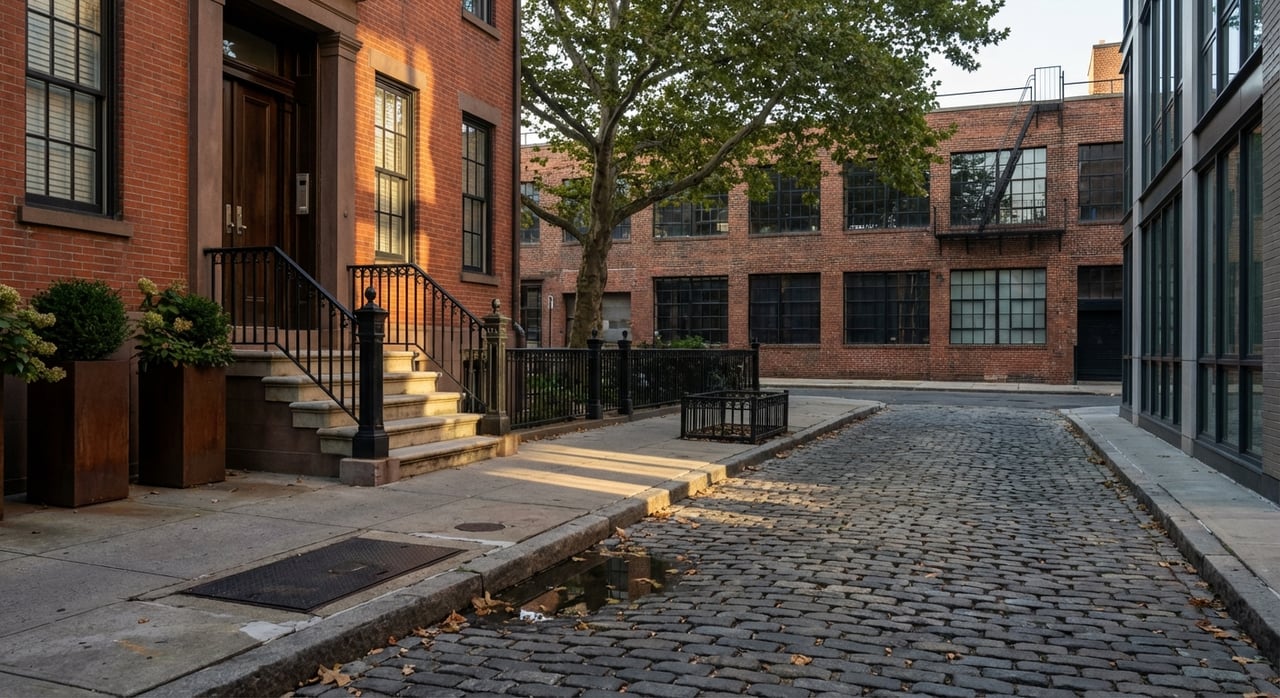
What draws so many people to Tribeca right now? You get a rare mix of historic loft blocks, a calm waterfront, and destination dining within a short walk of Midtown-bound trains. If you’re weighing a move, you probably want a clear picture of daily life, housing options, and what your money buys. This guide gives you a grounded look at today’s Tribeca, from block feel to prices and commute tips, so you can decide if it fits your goals. Let’s dive in.
Tribeca at a glance
Tribeca stands for Triangle Below Canal Street, a compact Lower Manhattan neighborhood known for cobblestones, cast-iron lofts, and a low-rise feel on many streets. Local usage varies on the exact borders, which is common downtown. Most people nest it within Manhattan’s Community District 1 and treat its southern edge with some flexibility for real estate marketing. You can explore the area’s history and naming on the Tribeca overview.
The neighborhood evolved from a 19th-century warehouse district to an artists’ loft area in the 1970s, then into one of Manhattan’s most desired residential markets. That shift explains why you see both converted industrial buildings and newer full-service condos side by side.
Architecture and street feel
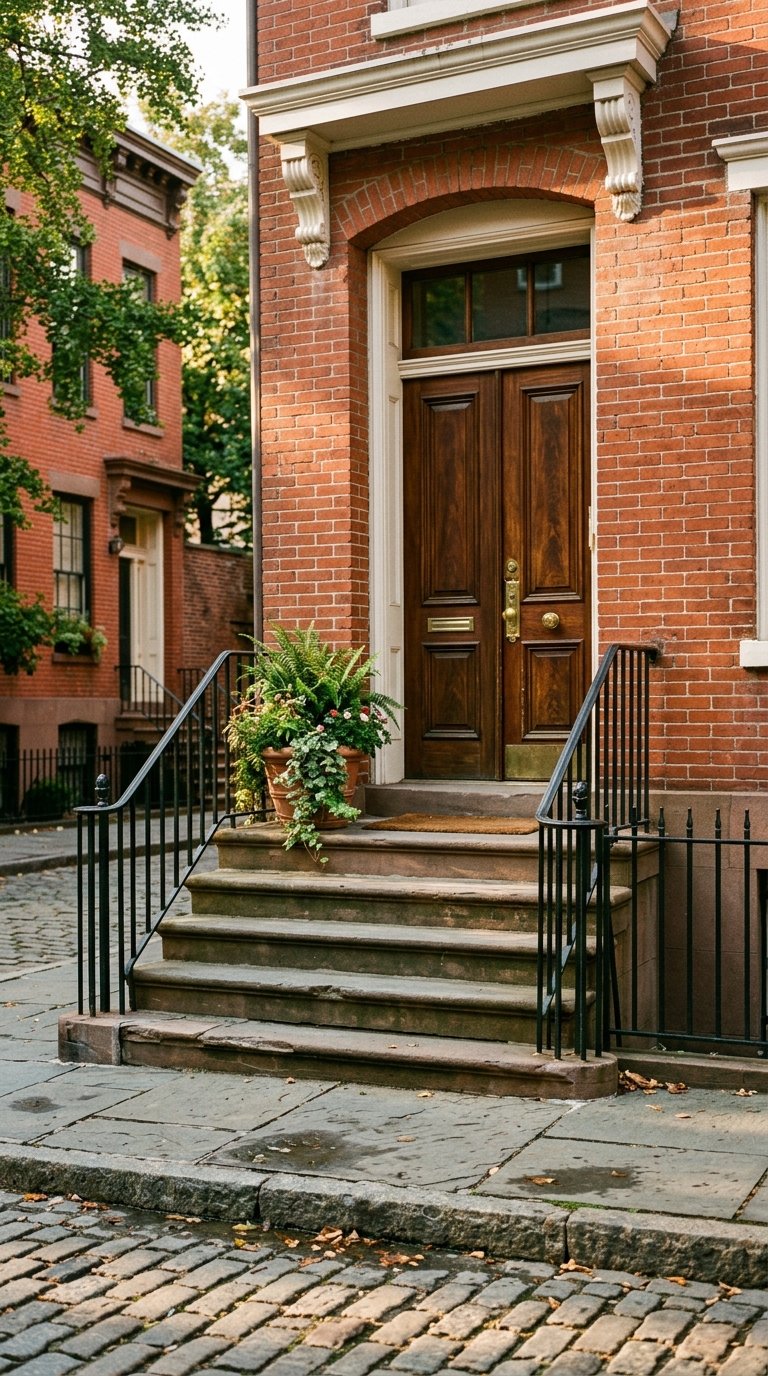
What you’ll notice first are brick and cast-iron facades, oversized windows, and the generous volumes inside many homes. Converted buildings often offer high ceilings, exposed brick, and open plans. Newer developments tend to deliver full-floor layouts and amenity packages.
Street by street, the vibe changes. The western side near Hudson Street and the river reads quieter and more residential. Closer to Broadway and the Civic Center corridors, you’ll find busier, mixed-use blocks. Tiny, triangular green spaces contribute to that intimate scale. Duane Park, for example, acts like a neighborhood piazza, and neighbors have advocated for its care and modest expansion, as noted in this Duane Park piece.
Parks and the waterfront
If access to outdoor space matters to you, Tribeca delivers. Washington Market Park at Greenwich and Chambers is a central community hub with playgrounds, courts, a gazebo, and a garden. Think of it as the neighborhood’s shared backyard. Check current programming and features on the Washington Market Park page.
Along the west edge, Hudson River Park is a daily draw for residents. Pier 25 packs in a playground, mini-golf, sand volleyball, and a skate plaza. Pier 26 offers boardwalk and ecological features with lawn space and river views. The Hudson River Greenway is one of downtown’s best continuous bike and walk routes. Get an overview of Piers 25–26 on the Hudson River Park Tribeca guide.
Dining and culture
You can eat well without leaving the neighborhood. Long-running spots like Bubby’s and Tribeca Grill sit alongside hotel dining like Locanda Verde and seasonal waterfront options close to the piers. The range lets you choose casual or higher-end any night of the week.
Tribeca also has a cultural anchor in the Tribeca Festival, which brings films, talks, and events to downtown each year, typically in late spring or early summer. It is a signature moment that energizes local venues and streets. See recent festival context and leadership on the Tribeca Festival press page.
Retail varies block by block. Recent local reporting points to an uneven recovery across parts of Lower Manhattan, with some corridors showing more vacancies than others. That means you might find lively stretches near certain corners and quieter storefronts a few blocks away. For a snapshot of the discussion, read this Tribeca Citizen retail report.
Housing choices and costs
Tribeca’s housing stock leans into two core experiences:
- Converted lofts in former warehouses, offered as co-ops and condos, with volume and character.
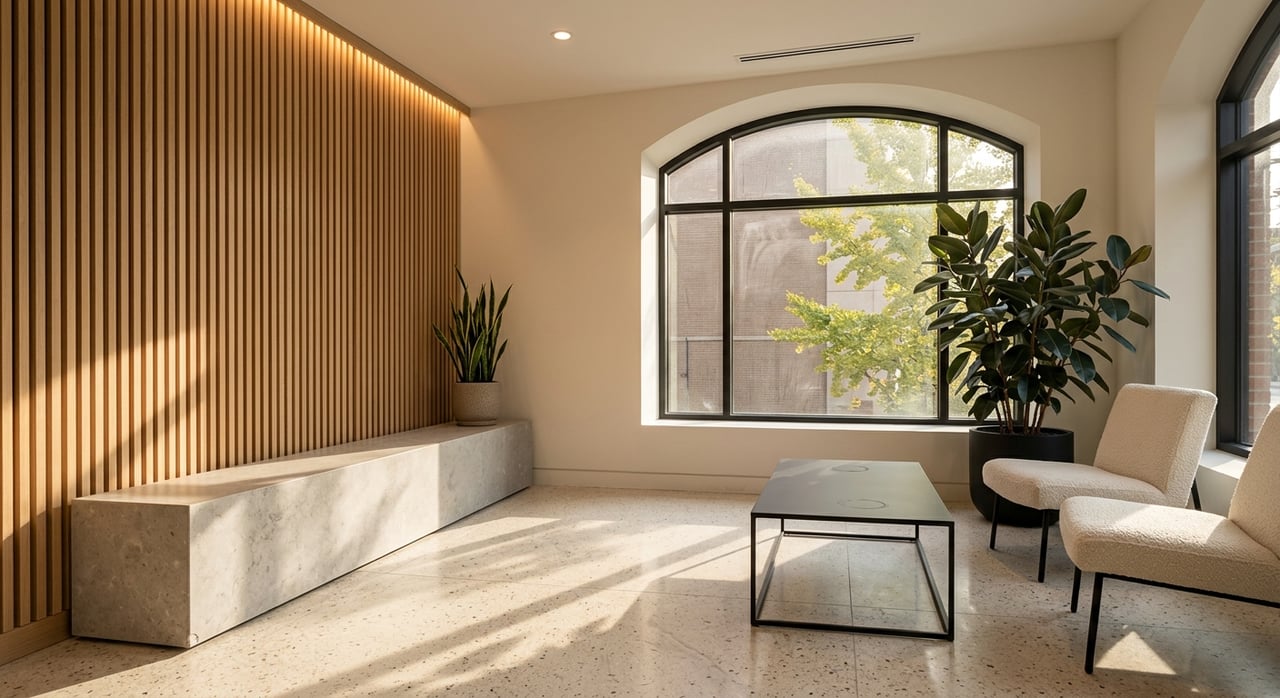
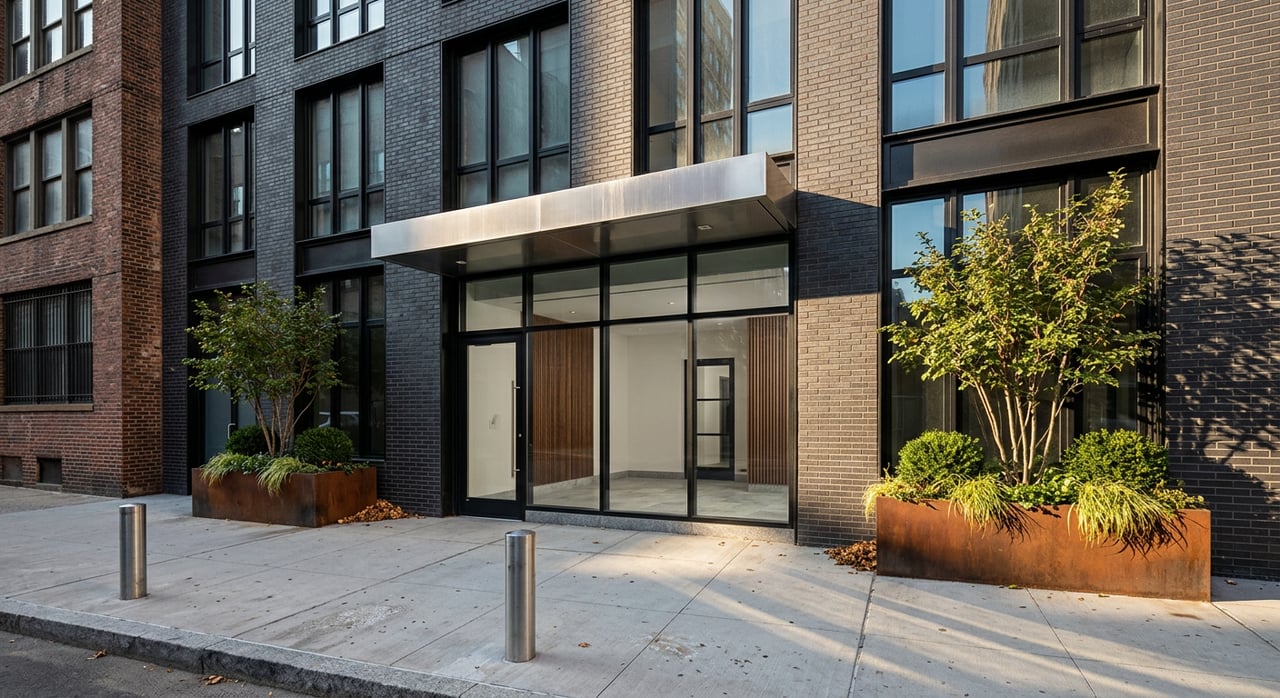
- Modern, full-service condominiums that emphasize amenities and building services.
Townhouse offerings exist but are a smaller share of the market. Many buyers here set out to find either classic loft character or a newer tower with full-service convenience.
On price, current medians point to a high-cost market. Recent snapshots show a sold home median around $3.4 million and an active rental median near $7,495 per month. Keep in mind that different publishers measure different things. A sold-price median reflects closed transactions, while rental medians often reflect active listings. Neighborhood boundary definitions can vary, which also shifts reported figures. If you are serious about a purchase or a lease, you should ground your expectations in recent closed-sale comps and current building-level listings.
Commute and mobility
Tribeca is well connected by subway, with multiple stations within a short walk depending on your block. The Franklin Street station on the 1 train is a key stop for the western side of the neighborhood. Service details and history are on the Franklin Street station page. The Chambers Street and World Trade Center complex links to the A, C, E, and 2/3 lines, plus a PATH connection at the WTC hub. That setup gives you straightforward access to Midtown and regional connections.
If you ride or run, the Hudson River Greenway is a major plus and ties right into Piers 25–26. Citi Bike stations are dense downtown, which makes short errands or last-mile rides simple. Local ferries are not the primary commute mode for most residents here, but you can reach routes at nearby hubs by a short subway or cab ride.
Schools and community resources
One public elementary school often associated with the area is P.S. 234 Independence School on Greenwich Street. It is widely cited as a community anchor that has supported the neighborhood’s residential growth. Because school assignments can change, always confirm current Department of Education maps and profiles. You can explore options and overviews on InsideSchools.
For general neighborhood context, Tribeca sits within Manhattan’s Community District 1, and it is among the higher-income areas of the borough by median income. The 1st Precinct covers Tribeca and nearby blocks. As with any urban area, conditions vary by location and time, so review current official sources if you want precinct-level trend charts.
Who Tribeca tends to suit
Every buyer and renter has a different checklist, but Tribeca often appeals to:
- People who value large interior space and distinctive architecture.
- Households that want walkability to parks, dining, and cultural events.
- Professionals and empty nesters who like quieter residential blocks with quick access to transit.
If you are on a strict budget or you want a dense late-night club scene, you may find better fits elsewhere in Manhattan. Tribeca is restaurant-rich with a strong dining culture, but nightlife is not its main draw.
Daily life, block to block
A typical day might begin with a coffee on a cobblestone corner, a loop along the Greenway, or a stop at Washington Market Park. Lunchtime can be quick and casual or a sit-down catch-up. Evenings often mean a reservation at a neighborhood staple or a walk to a film panel during festival season. The western blocks feel calm after dark, while the Broadway edge has steady foot traffic and a more mixed-use rhythm.
Tips to start your search
Approach your Tribeca search with a plan. A few practical steps help you move faster and decide with confidence:
- Clarify your building type. Do you prefer a classic loft with open space or a newer condo with a full amenity stack?
- Narrow your micro-locations. Sample both west-of-Hudson and east-of-Church blocks to understand noise, light, and weekend energy.
- Watch the numbers by building. Inventory and pricing differ by conversion and by service level, so compare recent closed sales and current listings side by side.
- Consider layout flexibility. Many lofts adapt well over time with movable partitions or mezzanines, which can be useful as needs change.
- Plan for bike and park life. If outdoor space is a priority, weigh proximity to Piers 25–26 and Washington Market Park.
When you are ready to see homes, schedule a focused tour that maps to your short list of building types and blocks. If you want data-backed guidance and a process that keeps you ahead of the market, connect with Ava Anz to schedule a consultation.
FAQs
Is Tribeca family-friendly in practice?
- Families often choose Tribeca for its walkability to parks like Washington Market Park and for local school options such as P.S. 234. Always confirm current school assignments with official sources.
How expensive is it to live in Tribeca today?
- Recent snapshots show a sold home median near $3.4 million and an active rental median around $7,495 per month. Methods and boundaries vary by source, so rely on recent closed comps when you are ready to bid.
What is the commute like from Tribeca?
- You can reach multiple lines within a short walk, including the 1 at Franklin Street and the A, C, E, and 2/3 via the Chambers Street and WTC complex, plus PATH access at the WTC hub.
What home types are common in Tribeca?
- You will see large loft conversions with high ceilings and exposed brick, modern full-service condos, and a small share of townhouses. Buyers often choose between character lofts and amenity-rich towers.
How lively is Tribeca at night?
- Expect a strong restaurant scene with options from casual to special-occasion dining. The area is not a late-night club hub compared to some other Manhattan neighborhoods.
Where are Tribeca’s boundaries?
- Boundaries are commonly discussed rather than fixed. Most sources place Tribeca within Manhattan’s Community District 1, with some marketing stretching the southern edge slightly. When in doubt, look at specific block and building locations rather than a hard border.