If you are renting your first East Village apartment, one truth matters right away: this is a fast-moving market where charm, trade-offs, and price all show up at the same time. You may be excited, a little overwhelmed, and unsure what is normal for the neighborhood. The good news is that once you know what to expect, you can search with more confidence and avoid common first-renter surprises. Let’s dive in.
What to Expect in East Village
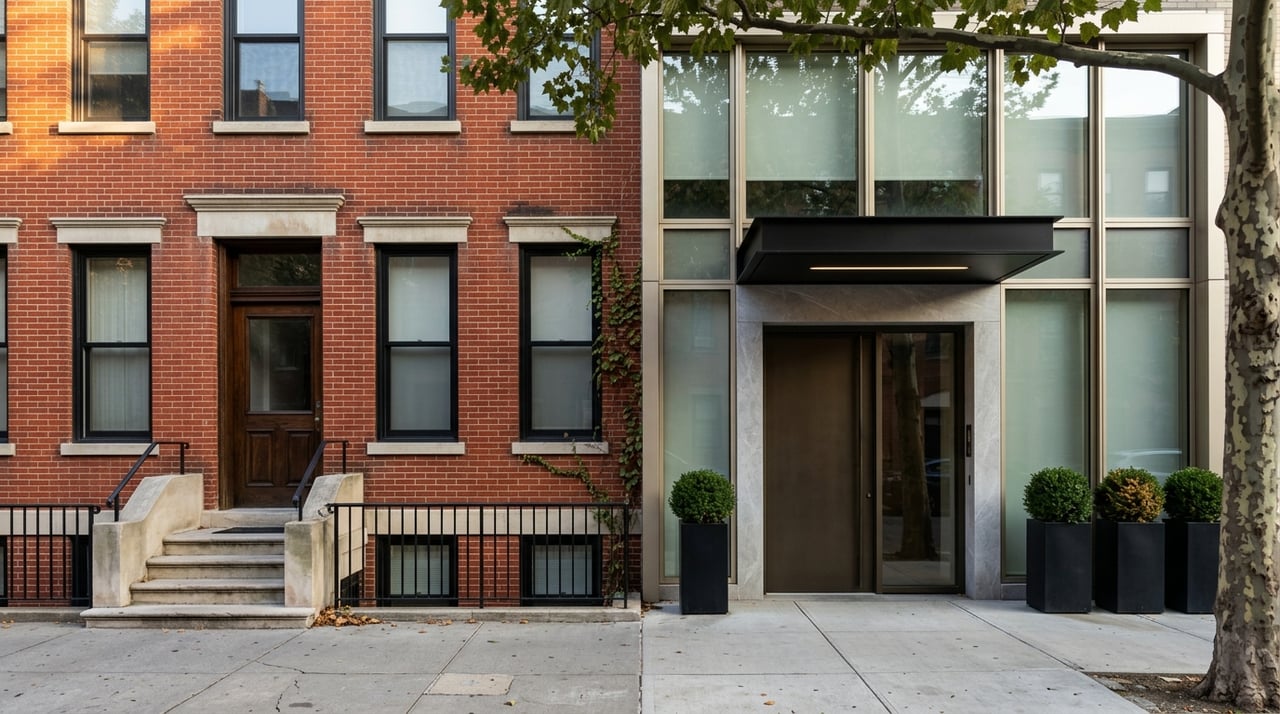
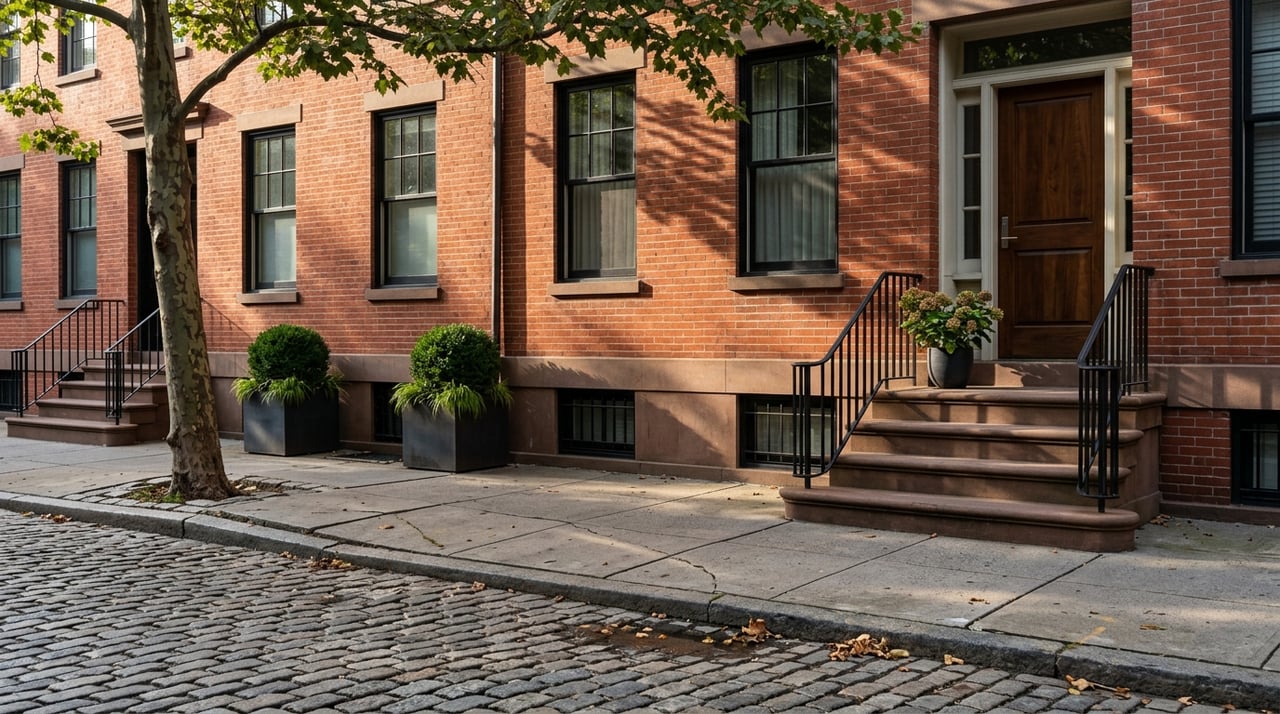
The East Village rental market is shaped by older housing stock, especially pre-war walk-ups and low-rise buildings. The neighborhood includes everything from narrow four-story walk-ups to larger multifamily buildings closer to the East River.
That means your first apartment search may include a mix of older character buildings and a smaller number of newer rentals with more amenities. It is helpful to go in knowing that East Village is not only walk-ups, but it is also not dominated by luxury towers.
Common Apartment Types
For many first-time renters, the most realistic options are studios and one-bedrooms. In East Village, those homes are often smaller than what you may find in other Manhattan neighborhoods.
If you are hoping for more space, an elevator, or shared amenities like a gym or doorman service, those options do exist. They are simply a smaller share of the neighborhood’s rental inventory, so they may come at a higher price point or require quick decision-making.
What Rent Really Looks Like
East Village rents tend to be expensive, and headline pricing does not always tell the full story. Recent neighborhood reporting placed median asking rent in the mid-$4,000s, with figures around $4,500 to $4,650.
Current listings also show a wide range depending on size, condition, and building type. Studios have appeared from about $2,950 to $5,090 base rent, while one-bedrooms have ranged from about $3,695 to $6,800.
Base Rent vs Net-Effective Rent
This is one of the biggest areas of confusion for first-time renters. Base rent is the monthly rent listed in the lease before any concession.
Net-effective rent reflects discounts such as one month free spread out over the lease term. A listing may look expensive at first glance, but the effective monthly cost over the full lease can be lower if a concession is included.
That said, your move-in costs are often tied more closely to the actual lease terms than to the lower net-effective number. When comparing apartments, make sure you understand all three numbers:
- Base rent
- Net-effective rent, if a concession applies
- Total move-in cash
Know the Fees and Legal Limits
If this is your first NYC rental, understanding the fee rules can save you money and stress. In New York, the application fee is capped at $20.
The credit and background check fee before lease signing is also capped at $20. The landlord must provide a copy of the report and the invoice from the screening company, and you may be able to avoid that charge if you provide your own recent credit and background report completed within the last 30 days.
Security Deposit Rules
New York limits the security deposit to one month’s rent. A landlord also cannot require last month’s rent in addition to a security deposit.
Since June 11, 2025, NYC’s FARE Act has prohibited landlords’ agents and listing agents from charging broker fees to tenants. The law also requires clear disclosure of tenant-paid fees in listings and rental agreements.
Ask About Rent Stabilization
Some East Village apartments may be rent-stabilized, especially in older buildings or certain newer tax-abated buildings. If you think a unit may fall into that category, verify the apartment’s status with DHCR before signing.
For a first-time renter, this is a smart question to ask early. It helps you better understand the lease you are considering and what rules may apply.
Prepare Your Application Packet Early
In a competitive market, being interested is not enough. You need to be ready to apply quickly when the right apartment appears.
NYC fair housing guidance shows that screening can include credit checks, landlord and work references, personal references, questions about occupancy, criminal background checks, home visits, and interviews. Screening criteria must be applied equally to all applicants.
Documents You May Need
Rental applications commonly request a fairly detailed packet. It is smart to gather and digitize your paperwork before you tour seriously.
Common items can include:
- Government-issued ID
- Current address information
- Current landlord contact information
- Rental history
- Employment and income details
- Recent pay stubs or W-2s
- Bank statements
- Rent receipts
- Emergency contact information
- Guarantor information, if needed
If you keep these documents organized in one folder, you will be in a much better position to move quickly. In East Village, that can make a meaningful difference.
Time Your Search Strategically
Timing matters, but not always in the way first-time renters expect. In NYC, rental inventory is typically higher from May through August and lowest in December.
At the same time, discounts are more likely in October and November. Another StreetEasy report noted that peak rental season has moved earlier into April, while rent prices have been more stable than inventory and concessions.
What That Means for You
If you want the largest number of choices, spring and summer may offer more inventory. If you are hoping for possible concessions, fall may be worth watching closely.
Still, there is a trade-off. Manhattan rental inventory has remained tight, and listings have been drawing far more inquiries than a few years ago, which supports the need to act quickly when a good fit hits the market.
A practical first-renter approach looks like this:
- Start watching listings before your target move month
- Learn the difference between base rent and net-effective rent
- Set your document packet aside in digital form
- Tour with a clear budget and must-have list
- Be prepared to apply quickly if the apartment works
Set Realistic First-Apartment Expectations
A first East Village apartment often comes with trade-offs. You may choose location and character over square footage, or amenities over budget flexibility.
That is normal in this neighborhood. Small studios, compact one-bedrooms, older finishes, and walk-up layouts are part of the market, and understanding that early can help you search more efficiently.
Focus on Your Priority List
Before you begin, decide what matters most to you. That may be budget, building type, natural light, layout, or whether you want a newer building with shared amenities.
When your priorities are clear, it becomes easier to compare apartments without getting distracted by every new listing. In a competitive market, that clarity helps you make a faster and better decision.
Why a Guided Search Helps
Your first apartment search can move quickly, and the details matter. Knowing how to read pricing, spot trade-offs, prepare paperwork, and move on the right listing can save you time and frustration.
If you want a more organized search and a responsive partner who understands downtown Manhattan rental dynamics, working with a neighborhood-focused professional can help you cut through the noise. If you are planning your first East Village move, Ava Anz can help you approach the process with clear strategy, local insight, and timely execution.
FAQs
What types of apartments are most common in East Village for first-time renters?
- The most common first-apartment options in East Village are small studios and one-bedrooms, often in older pre-war walk-up buildings.
What is the difference between base rent and net-effective rent in East Village listings?
- Base rent is the actual monthly rent listed in the lease, while net-effective rent reflects concessions such as free rent spread across the lease term.
What fees can a landlord charge when you apply for an East Village apartment?
- In New York, the application fee is capped at $20, and the credit or background check fee before lease signing is also capped at $20.
How much security deposit can you be asked to pay for an East Village rental?
- A landlord can charge up to one month’s rent as a security deposit and cannot require last month’s rent plus a security deposit.
What documents should you prepare for a first East Village rental application?
- You should be ready with items such as government-issued ID, landlord contacts, rental history, employment and income information, pay stubs or W-2s, bank statements, and possibly guarantor information.
When should you start searching for your first East Village apartment?
- You should start watching listings before your intended move month so you can track pricing, understand inventory, and be ready to apply quickly when the right apartment appears.