Ever walk through SoHo and wonder if living there feels as nonstop as shopping there? That is the key question for many buyers and renters who love downtown energy but still want a home that feels livable day to day. On a SoHo side street, you usually get both: direct access to one of Manhattan’s most active districts and a block-by-block rhythm that feels calmer than the main retail corridors. Let’s dive in.
SoHo Is More Than a Shopping District
A big part of understanding side-street life is understanding what SoHo actually is. It is not a purely residential neighborhood in the traditional sense. It is a mixed-use historic district with a long industrial past that evolved into one of New York City’s best-known residential and shopping areas.
That mixed-use identity shapes daily life. You are living in a place shared by residents, workers, shoppers, and visitors, all within a preserved historic setting. In practice, that means your home can feel tucked into a beautiful streetscape while still sitting inside a very active part of downtown Manhattan.
Side Streets Feel Different From Broadway
Broadway is the district’s retail spine, running from Houston to Canal Street. The SoHo Broadway Initiative reports about 1.5 million square feet of retail, 3 million square feet of office space, and more than 21,000 workers in the district, with retail occupancy at 89% as of January 6, 2026.
You do not need to memorize those numbers to feel what they mean. Broadway and the busiest edges of SoHo carry the strongest commercial pulse, while blocks just off that corridor often feel less storefront-heavy and more residential in tone. That contrast is what draws many people to side streets in the first place.
Which Blocks Feel More Intimate
Some of the best examples of SoHo’s quieter texture are streets like Crosby, Howard, Greene, Wooster, Mercer, Thompson, Lafayette, and Centre. These blocks are still firmly in SoHo, but many feel narrower, more contained, and less exposed to constant retail traffic than Broadway or Canal Street.
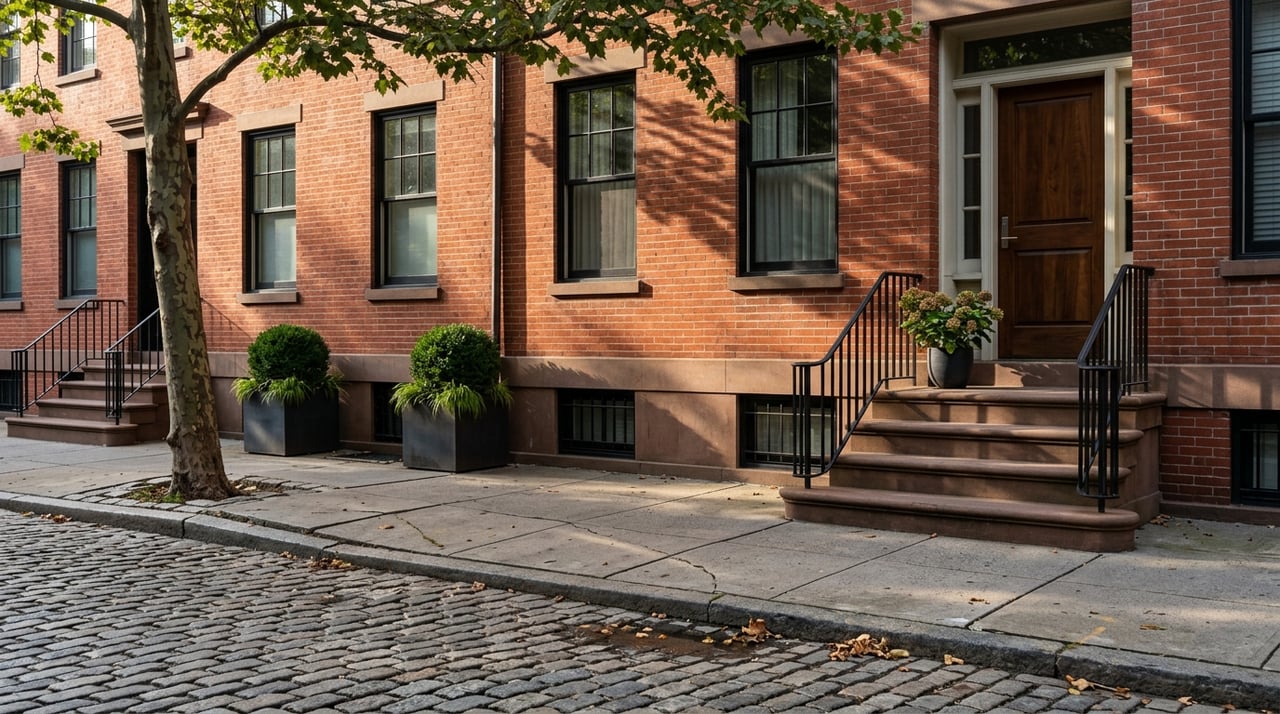
The Landmarks Preservation Commission specifically highlights Crosby Street and Howard Street for their cohesive, narrow streetscapes. That matters if you are trying to picture daily life. A narrower street wall, more consistent building frontage, and less main-corridor activity can make a block feel more neighborhood-like, even inside a busy district.
The Architecture Shapes the Experience
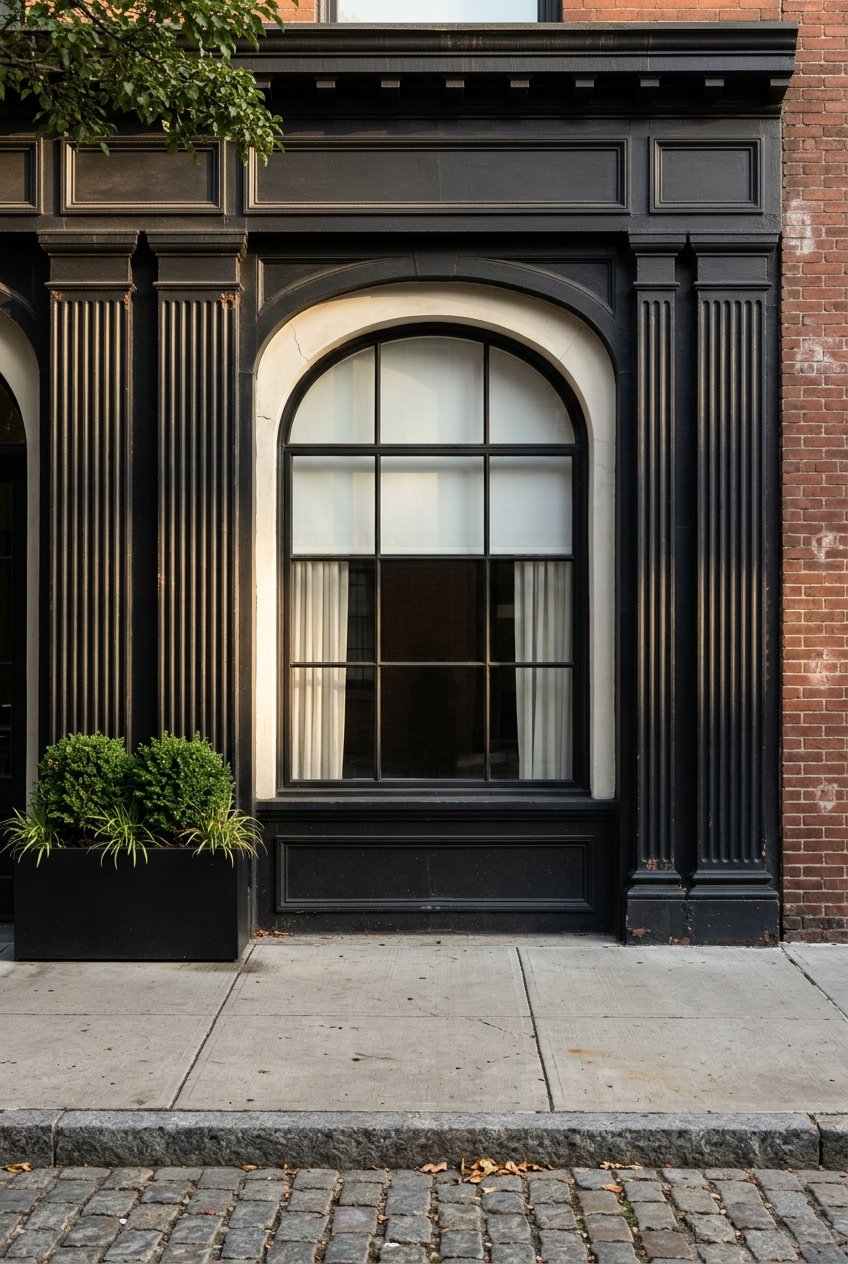
Living on a SoHo side street is also about the buildings themselves. Much of the area is defined by cast-iron facades, masonry loft buildings, and post-Civil War store-and-loft structures first built for merchants and manufacturers.
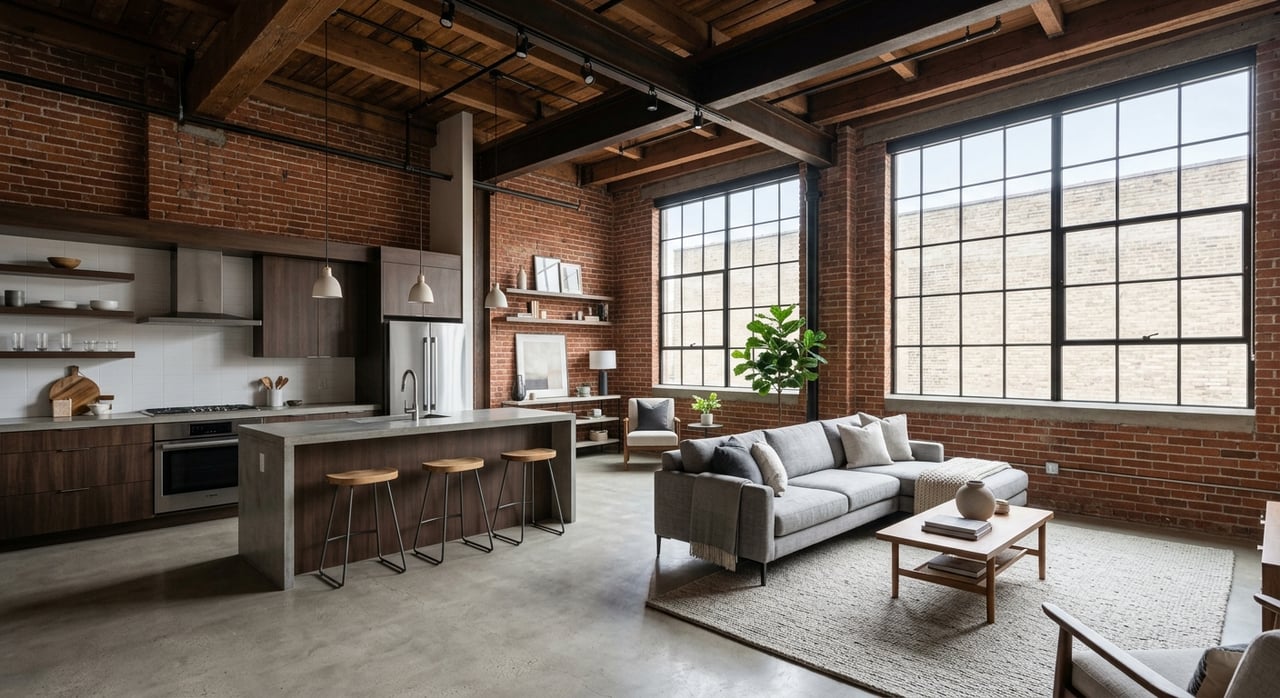
That history still shows up in the way many homes feel today. Instead of conventional apartment layouts, you will often see loft-like spaces with high ceilings and large windows. If you are drawn to volume, light, and architectural character, side-street SoHo can be especially appealing.
The neighborhood is not visually one-note, though. Along with loft buildings, a few early residential houses still appear on blocks like Prince, Howard, and Grand. That adds variety to the street wall and makes some pockets feel more layered and residential in character.
What Daily Life Actually Feels Like
On a practical level, side-street living in SoHo is usually very walkable and very convenient. The city’s planning department notes that SoHo and NoHo’s central location and excellent transit access helped make the area attractive to shops and cafes.
For you as a resident, that often means a car-light lifestyle is realistic. Groceries, restaurants, coffee spots, and subway access are generally within a short walk. If your routine depends on efficiency, that convenience can be a major advantage.
Nearby transit options include Spring Street on the 6, Prince Street on the W, and Canal Street stations serving multiple lines depending on the entrance and service. That range of access makes it easier to move across Manhattan and beyond without much planning.
The Tradeoff: Active, Not Quiet
It helps to be clear about the lifestyle match. A SoHo side street is usually calmer than Broadway or Canal Street, but it is not isolated or suburban in feel. You are still living inside a district known for retail density, office presence, and heavy daytime activity.
That can be a real positive if you want energy without full-intensity exposure. Many residents like the idea of stepping onto a more intimate block, then reaching major shopping, dining, and transit within minutes. But if your priority is a quiet, low-rise, car-oriented residential environment, SoHo will likely feel too active.
Who Tends to Love SoHo Side Streets
Side-street SoHo tends to suit people who care about three things most: architecture, walkability, and immediate access. If you want a home that feels connected to the city and rooted in a historic setting, this part of the neighborhood often delivers.
It can be a strong fit for renters who want downtown convenience without living directly on a main corridor. It also appeals to buyers who value loft-like space, strong architectural identity, and a block that feels a little more private than the busiest stretches nearby.
In other words, this is usually a lifestyle-driven choice. You are not choosing SoHo side streets because they feel hidden from the city. You are choosing them because they let you participate in the city with a little more breathing room.
What To Notice on a Showing
If you are touring a rental or considering a purchase on a SoHo side street, it helps to evaluate the block as carefully as the apartment. In a neighborhood where conditions can change from one street to the next, micro-location matters.
Pay attention to:
- How close the building sits to Broadway, Canal Street, or other high-traffic edges
- Whether the block feels narrow and cohesive, like parts of Crosby or Howard
- The amount of ground-floor retail nearby
- The building type, including loft conversion versus more conventional apartment layout
- Window size, ceiling height, and overall light quality
- Your walking route to the nearest subway entrance
These details can shape your day-to-day experience as much as square footage or finishes. In SoHo, one block can feel notably different from the next.
Why Side-Street SoHo Holds Its Appeal
The appeal of side-street SoHo comes down to balance. You get the identity and convenience of one of Manhattan’s most recognizable neighborhoods, but often with a more contained and residential feel than the busiest corridors offer.
That balance is not accidental. It comes from the neighborhood’s historic building fabric, narrow side streets, and mixed-use structure. For the right buyer or renter, that combination can feel distinctly New York in the best way: connected, design-forward, and easy to navigate.
If you are weighing whether SoHo side-street living matches your routine, priorities, and housing goals, Ava Anz can help you assess the block, the building, and the bigger market picture with a practical, neighborhood-first approach.
FAQs
What is it like to live on a SoHo side street compared with Broadway?
- Living on a SoHo side street usually feels calmer and more private than living near Broadway, while still keeping you close to the neighborhood’s shopping, dining, and transit.
Are SoHo side streets actually residential?
- SoHo is a mixed-use historic district, so side streets are not purely residential, but many feel more residential in tone than the main commercial corridors.
Which SoHo streets tend to feel quieter?
- Streets such as Crosby, Howard, Greene, Wooster, Mercer, Thompson, Lafayette, and Centre often feel more intimate than Broadway or Canal Street, though each block has its own character.
What kind of homes are common on SoHo side streets?
- Many homes on SoHo side streets reflect the area’s loft-building history, so you will often find large windows, high ceilings, and loft-like layouts rather than conventional apartment floor plans.
Is SoHo side-street living good for car-free daily life?
- Yes, SoHo’s central location and access to subway stations like Spring Street, Prince Street, and Canal Street can make it practical to live with little or no car use.
Who is the best fit for a home on a SoHo side street?
- Buyers and renters who value architecture, walkability, transit access, and immediate access to retail and dining often find SoHo side streets to be a strong match.