Thinking about making an offer on a SoHo loft? It is easy to fall for soaring ceilings, big windows, and cast-iron charm. But in SoHo, a smart offer depends on more than design. You also need to understand legality, approvals, building finances, and how the space actually works day to day. Let’s dive in.
Start With the Building, Not the Finishes
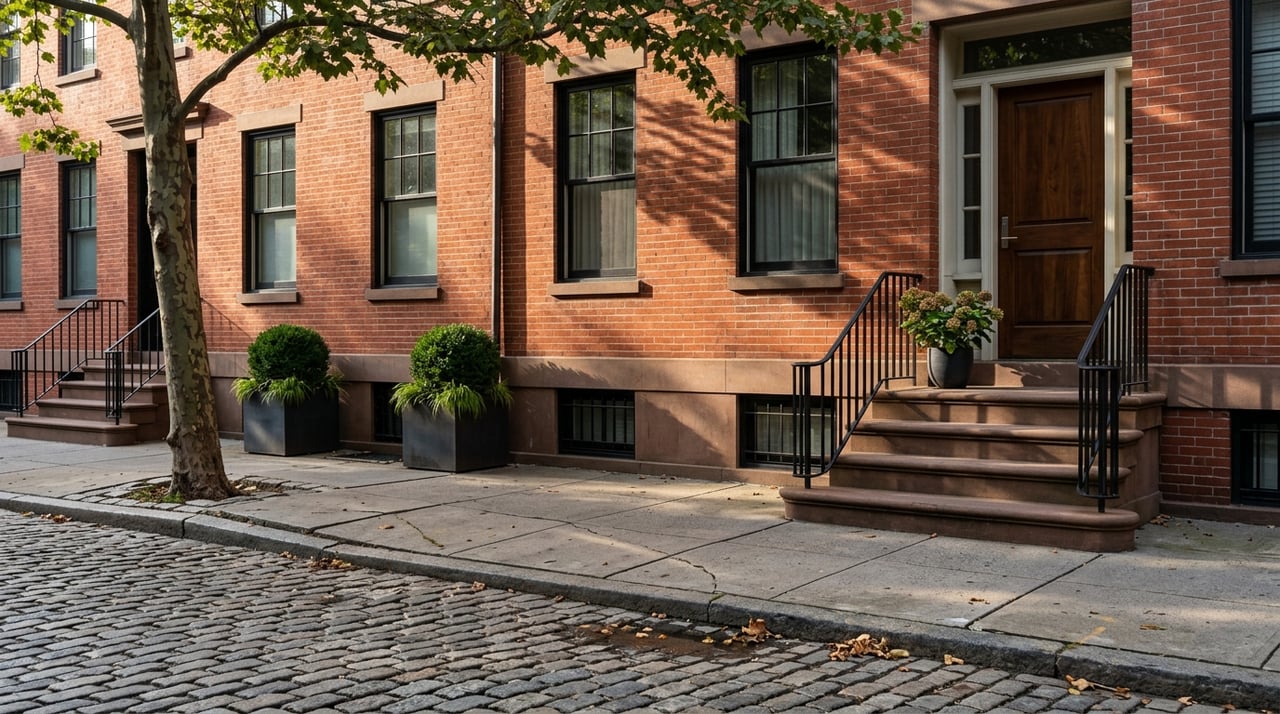
A SoHo loft is part home and part historic asset. Much of the neighborhood’s inventory comes from 19th- and early-20th-century store-and-loft buildings that were originally built for commercial or manufacturing use. Because of that history, you should evaluate the building first and the apartment second.
SoHo also sits within a landmarked historic district. The SoHo-Cast Iron Historic District dates to 1973, with an extension added in 2010. If the building is within the district, exterior work and many alterations may require Landmarks Preservation Commission review, which can affect renovation timing, scope, and cost.
Confirm Landmark and Approval Status
Before you make an offer, find out whether the building is landmarked or located in the historic district. That matters because even a straightforward project like replacing windows or adding exterior-visible mechanical equipment may need approvals. A loft that seems renovation-ready may come with a longer path than you expect.
You should also ask what work has already been approved, what is still pending, and whether any changes were completed without sign-off. In older SoHo buildings, permit history is part of the value story. It can also become part of your risk if the paperwork is incomplete.
Check Occupancy and Legal Use
Not every SoHo loft follows the same legal path. Some are standard residential condos or co-ops, while others may still relate to Interim Multiple Dwelling rules, Loft Board registration, or prior Joint Living-Work Quarters for Artists occupancy restrictions.
That is why occupancy status should be a core part of your offer analysis. You want to know whether the unit is a legal residence, whether the building has a residential certificate of occupancy, and whether there is any pending legalization work. If the loft is not a simple condo or co-op resale, the certificate history deserves close attention.
Test the Layout Like You’ll Live There
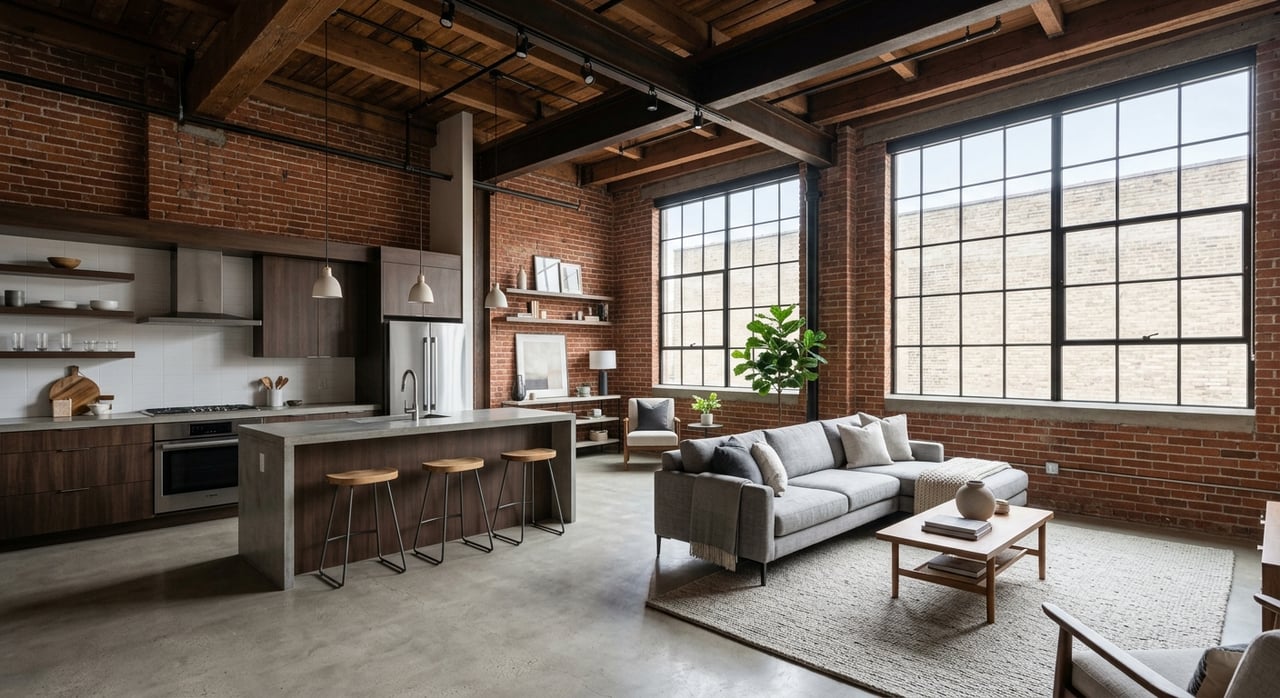
A SoHo loft can look amazing in photos and still function poorly in real life. Open plans often feel larger than they are, especially when staging hides circulation problems or awkward room placement. Before you focus on style, look at how the layout actually performs.
A useful rule is to imagine the apartment empty. If you remove the furniture, do the sleeping area, living area, storage, and work zones still make sense? Long dark interiors, strange corner cuts, mezzanines, or interior rooms that rely on borrowed light may deserve a closer look.
Focus on Practical Flow
Loft living works best when the open space still supports daily routines. You want room for seating, dining, storage, and movement without making the apartment feel chopped up or underused. That is especially important in buildings where older layouts were adapted over time.
Code-related issues can also affect how useful a loft feels. The city’s loft-law guidance highlights room size, window distance, alcoves, egress, shaft enclosure, and mezzanines as important factors in legalization work. Even if you are not planning a renovation now, those details can matter later.
Measure Clear Ceiling Height
In SoHo, ceiling height is part of the appeal, but not every lofty room feels equally spacious. The number on a floor plan may not reflect the finished clear height after beams, ductwork, sprinklers, dropped ceilings, or lighting are in place.
You should pay attention to what the apartment actually feels like at standing height. Some occupiable rooms may be reviewed under code paths that allow a ceiling height of not less than 7 feet 6 inches, while older loft-law work may follow different standards. For you as a buyer, the practical issue is whether the built space still delivers the volume you expect and whether low points could limit future changes.
Look Closely at Light and Air
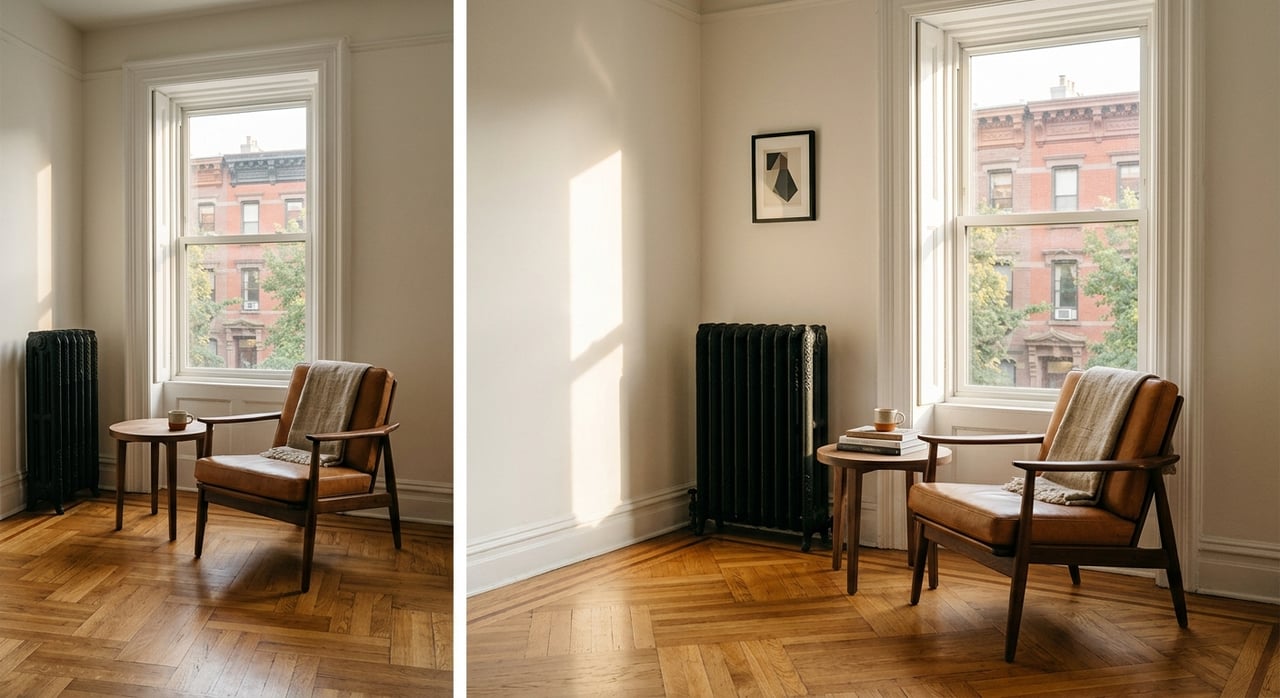
Big windows do not always mean great light. In SoHo, you need to consider where those windows face, how much of the apartment gets direct exposure, and whether the best-looking rooms are actually the darkest ones during most of the day.
The city’s Housing Maintenance Code generally requires a living room to have at least one window opening to a street, yard, court, or other open space. It also generally requires total window area of at least one-tenth of the floor area, or 12 square feet, whichever is greater, plus openable area for ventilation. In loft settings, light and air also affect whether a room works legally and practically.
Compare Street Exposure and Rear Exposure
Street-facing lofts may offer better natural light and a more open view. They can also bring more street noise, especially in a mixed-use district with active retail, deliveries, and busy cross streets. Rear-facing or shaft-facing units may feel quieter, but they can also be noticeably darker.
This is where an in-person visit matters. You are not just checking whether light exists. You are checking whether the daylight is usable enough for your everyday living pattern.
Factor in SoHo Sound Levels
SoHo is not a purely residential setting, and that is part of its appeal. The neighborhood remains mixed-use, with residential, commercial, community-facility, and retained commercial or manufacturing activity under the 2021 SoHo-NoHo zoning changes.
That context can shape your experience inside the loft. Sound levels may vary more than they would in a fully residential district, especially near retail corridors, loading activity, and heavier foot traffic. When you tour, it helps to listen as carefully as you look.
Listen Inside the Building Too
Older loft buildings can carry sound in ways newer buildings do not. Hard surfaces, open plans, and older construction details may amplify echo, footfall, pipe noise, elevator noise, and mechanical equipment.
Try to evaluate the apartment at different times if possible. Hallway sound, overhead noise, and HVAC hum may not show up during a quick showing. But they can affect your day-to-day comfort once you move in.
Treat Building History as Part of the Asset
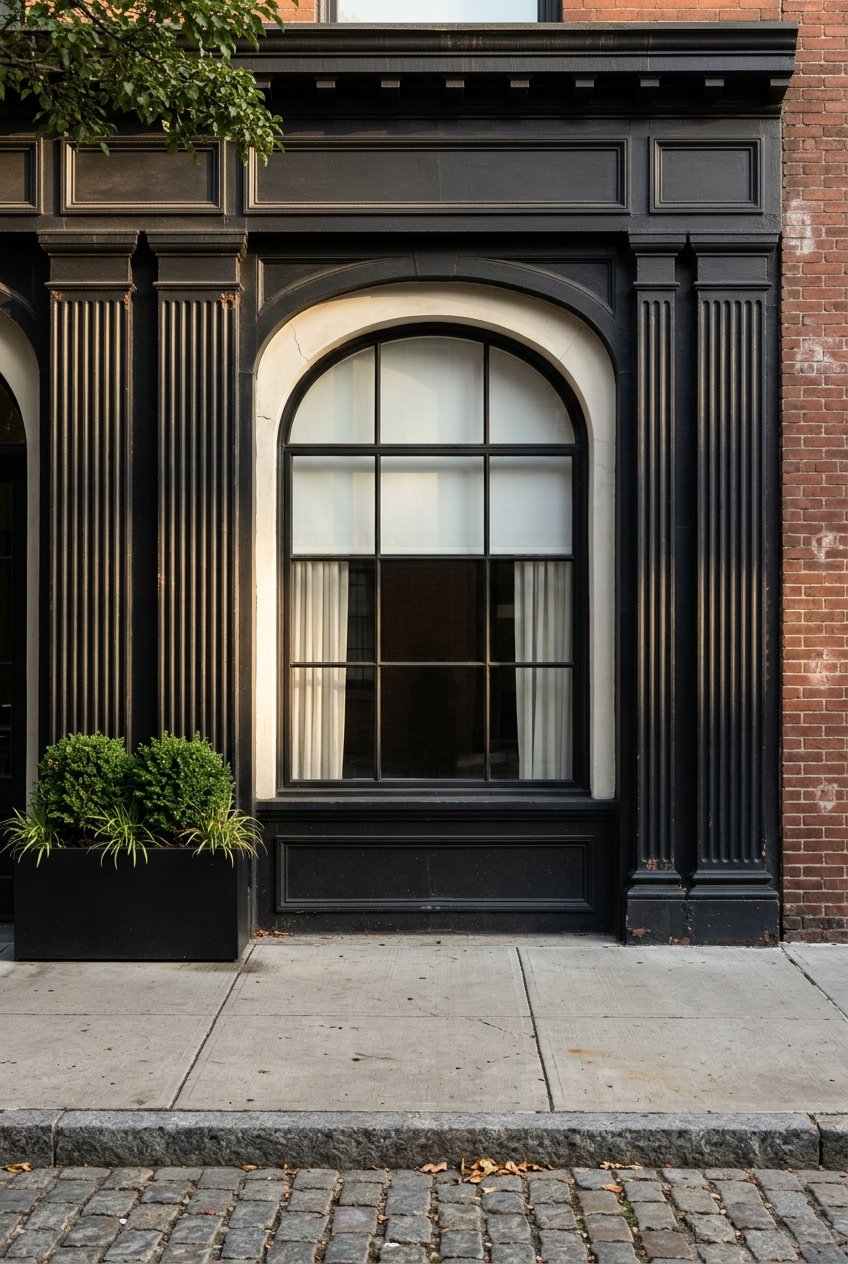
A SoHo loft is tied to a specific type of historic building fabric. The neighborhood’s cast-iron-fronted and masonry store-and-loft buildings are a big part of what gives the area its identity. That charm can support long-term appeal, but it also brings responsibilities.
Landmarked properties must be kept in good repair, and most alterations require review for appropriateness. Landmark status does not stop change, but it does mean change usually follows a process. As a buyer, you should think of approvals and maintenance obligations as part of the property itself.
Ask About Exterior and Building-Wide Work
A loft may look clean and simple inside while the building faces larger issues outside. Window replacement, façade repairs, rooftop work, or exterior-visible mechanical changes may involve Landmark Preservation Commission review, Department of Buildings filings, or both.
That is why it is smart to ask what major work is planned or underway. If approvals are pending or required repairs are on the horizon, your future costs could look very different from the current monthly charges.
Review the Financial Structure Before You Offer
The monthly number is only the starting point. In a co-op, you are buying shares and paying maintenance based on the shares tied to the apartment. In a condo, the offering plan explains how common charges and assessments are set, how reserves may be funded, and how unpaid charges become liens.
For both structures, the offering plan is central. It outlines sponsor obligations, building condition disclosures, and the rules that shape ownership costs. In a resale, where disclosure can be less complete than in a sponsor sale, you should pay even closer attention to financial statements, board minutes, and building-wide issues.
Ask What the Fees Are Really Covering
A low monthly charge is not always a win. The more important question is whether the building has enough reserves and a realistic capital plan. Reserve and working capital disclosures can help you understand whether the building is prepared for major repairs or likely to lean on owners later.
In older SoHo buildings, the biggest future cost drivers often involve façades, roofs, elevators, plumbing, electrical systems, and boiler replacements. If those projects are approaching, a special assessment or higher monthly charges may follow. That should factor into your offer price and your comfort level.
Use a Document Checklist Before You Submit
A strong SoHo offer should be informed by paperwork, not just instinct. Before you move forward, ask for the key documents that can confirm legal status, financial health, and upcoming obligations.
Here is a practical pre-offer checklist:
- Offering plan and all amendments
- Most recent financial statements
- Board minutes from the prior year
- DOB violations and open permits
- Loft Board registration and legalization status, if relevant
- LPC permit history, if the building is landmarked
- Current occupancy status and certificate history
Key Questions to Resolve Before You Commit
If you want a cleaner buying process, narrow your uncertainty before you bid. A few direct questions can help you separate a beautiful loft from a complicated one.
Ask these before submitting an offer:
- Is the unit a legal residence, an IMD, a JLWQA-type unit, or a completed residential conversion?
- Does the building have a residential certificate of occupancy?
- Has any Loft Board legalization been completed, and are registrations current?
- Are any LPC or DOB approvals pending for windows, façade work, roof work, or interior changes that affect the exterior?
- Are reserve funds strong enough to support near-term capital needs?
- Does the layout still work without staging furniture, with actual ceiling clearances, and in real daylight?
A SoHo loft can be an extraordinary purchase, but only if you underwrite the whole picture. Design matters, but legality, approvals, building condition, and financial structure matter just as much. If you want a practical second set of eyes before you make an offer in SoHo, Ava Anz can help you evaluate the details with clarity and confidence.
FAQs
What should you check before making an offer on a SoHo loft?
- You should confirm the building’s landmark status, occupancy status, certificate history, permit history, financial condition, and whether the layout, light, ceiling height, and sound levels work for your needs.
Why does landmark status matter for a SoHo loft buyer?
- Landmark status can affect renovation scope, approval timelines, and costs because many exterior changes and some other alterations may require Landmarks Preservation Commission review.
How can you tell if a SoHo loft is a legal residence?
- You should verify whether the unit is a standard residential condo or co-op, an IMD, a JLWQA-related unit, or part of a completed residential conversion, and confirm the building’s certificate of occupancy and any Loft Board status if relevant.
What financial documents matter most for a SoHo loft purchase?
- The most useful documents usually include the offering plan and amendments, recent financial statements, board minutes, and records that show open permits, violations, reserve strength, and planned capital work.
Why can a SoHo loft feel bright but still function poorly?
- A loft may photograph well because of open space and large windows, but awkward circulation, dark interior zones, borrowed light, or limited usable wall space can make daily living less practical.
What building issues can lead to future costs in a SoHo loft building?
- In many older buildings, major future expenses can come from façade repairs, roof work, elevators, plumbing, electrical upgrades, and boiler replacement, which may lead to assessments or higher monthly charges.