Wondering if living near Gramercy Park gives you the best of downtown Manhattan without the nonstop intensity? That is exactly why so many buyers and renters keep this pocket of 10003 on their shortlist. If you want a practical look at what the area feels like, what kinds of homes you will find, and what tradeoffs come with the location, this guide will help you sort it out. Let’s dive in.
Why Gramercy Park Feels Different
Gramercy Park has a distinct identity because the neighborhood centers on a private square rather than a typical public park. The park was created in 1831 under Samuel B. Ruggles’ deed, and today it is cooperatively owned by the lot owners of the 39 surrounding buildings, according to the Gramercy Park Trust overview.
That detail matters more than many people realize. If you are picturing the park as a general public amenity, it helps to know that access is tied to certain surrounding properties rather than the neighborhood at large. In practical terms, that makes the park part of the housing story, not just part of the streetscape.
The broader 10003 ZIP code includes Gramercy, East Village, and Union Square, and New York City describes it as mostly residential. The same city profile notes average open space and parks for the ZIP, which helps explain why Gramercy Park’s private green space carries so much weight in how people think about the area.
What the Streetscape Is Like
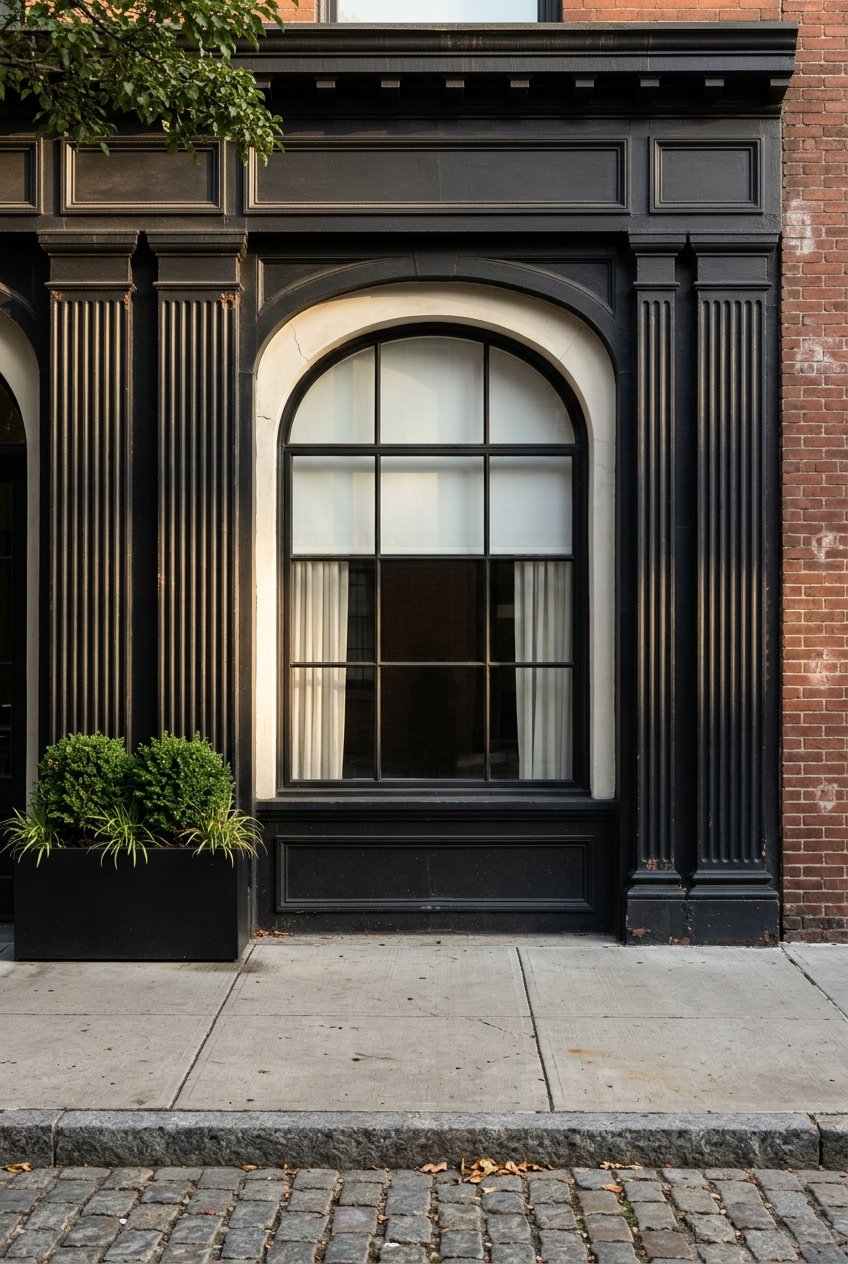
One of the biggest reasons people are drawn to Gramercy is its physical character. The Landmarks Preservation Commission describes the square as graceful and quiet, with 19th-century structures of architectural distinction surrounding it.
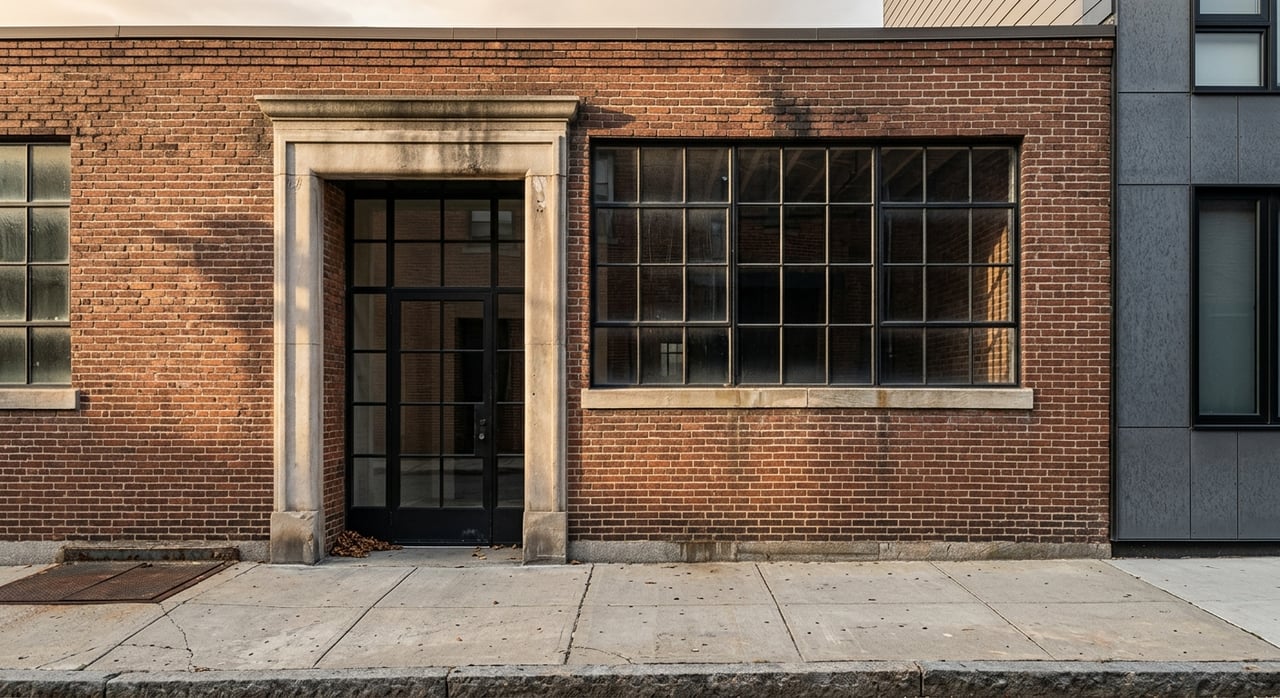
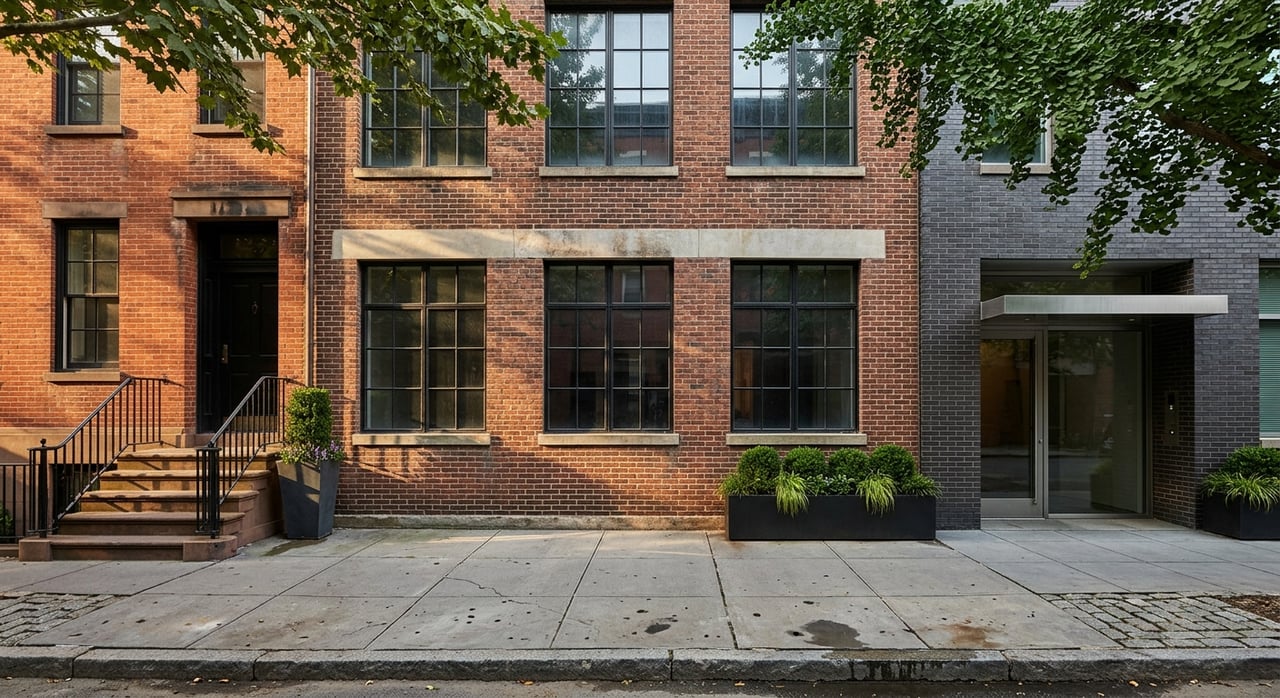
You will still see a strong concentration of Anglo-Italianate, Greek Revival, and Gothic Revival houses in the historic district. Later apartment houses and taller buildings appear more on the north and east sides, but the overall streetscape often stays cohesive because many newer buildings were designed with materials and decorative details that relate to the older homes.
That cohesion shows up in small ways too. Front gardens, planting, and a more human-scaled street wall give parts of the neighborhood a leafy, calm feel that can be hard to find elsewhere in downtown Manhattan.
The Main Housing Options Near Gramercy Park
If you are looking near Gramercy Park, it helps to think in three broad buckets. Each one offers a different ownership experience, lifestyle, and level of connection to the square itself.
Park-Facing Co-ops
These are the homes most closely associated with Gramercy Park’s classic identity. They have the strongest historical link to the square and, in some cases, may be part of the group of surrounding properties tied to park access.
They also tend to feel different from the broader inventory nearby. The Landmarks Preservation Commission notes that co-operative ownership took hold here in part because it supported larger, more luxurious apartments and reflected a more selective style of apartment living.
Nearby Condos and Mixed-Use Buildings
As you move away from the square, you are more likely to find a mix of condos and apartment buildings with shops or offices. The city’s 10003 profile describes this as the most common housing form in the ZIP.
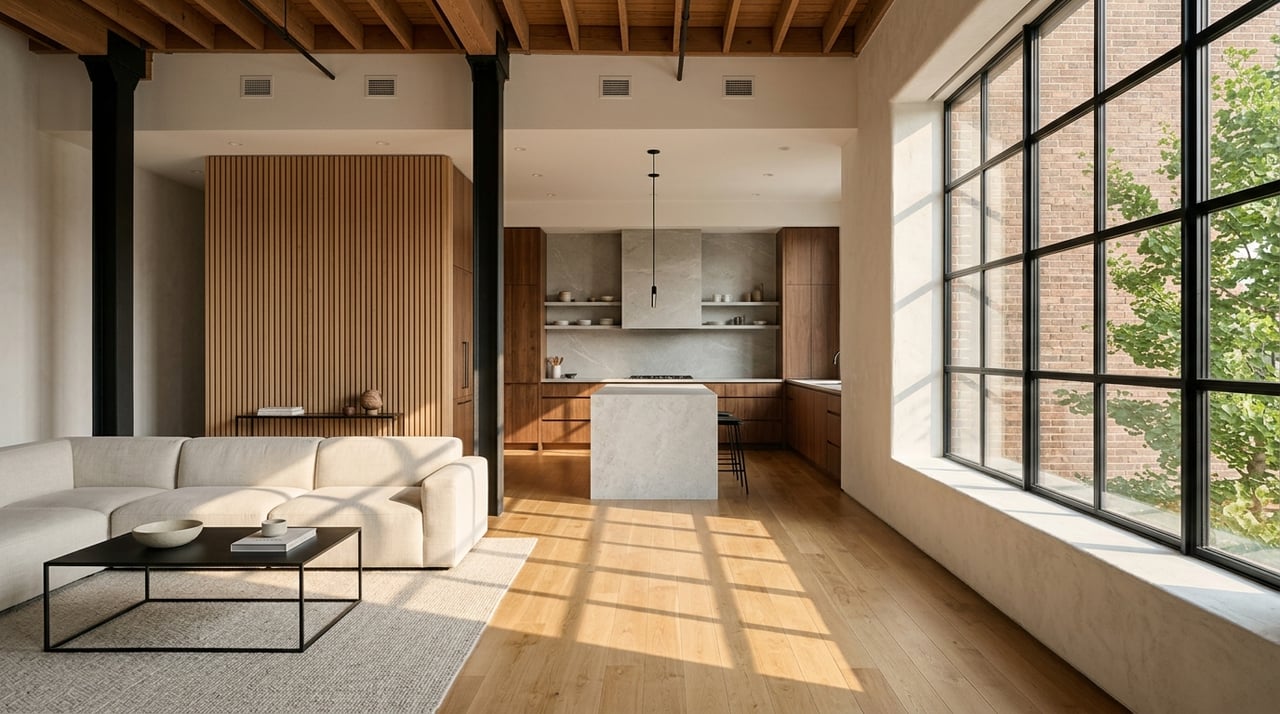
For many buyers, this can mean more flexibility in layout, ownership structure, and building style. If you want the Gramercy atmosphere without focusing on a park-front co-op, this part of the neighborhood often gives you more options.
Rentals
Renting near Gramercy Park is often the easiest way to test the neighborhood before making a long-term commitment. If you like the idea of a quieter downtown setting but want to confirm the fit block by block, renting can give you that trial period.
This can be especially useful in 10003 because the character shifts as you move between Gramercy, Union Square, and the East Village. A rental search lets you balance atmosphere, commute, and building type before you decide whether to buy.
What Daily Life Looks Like
A big part of Gramercy’s appeal is that it offers strong connectivity without always feeling hectic. The official 10003 profile lists access to the 4, 5, 6, F, L, N, Q, R, and W subway lines, which gives you a wide range of downtown and cross-town connections.
That transit access matters if you want convenience without sacrificing neighborhood feel. You can get around the city efficiently while still coming home to a part of Manhattan that reads as more intimate and lower-rise than many nearby areas.
Dining is another major part of life here. Eater’s 2025 Flatiron and Gramercy map describes the area as being stocked with restaurants across many styles, and Michelin’s Gramercy, Flatiron, and Union Square page currently lists 376 restaurants in the broader area.
That does not mean every block feels busy in the same way. One of Gramercy’s strengths is that you can be close to a deep restaurant scene while still prioritizing a calmer home base.
The Pace Is a Real Selling Point
If you are comparing downtown neighborhoods, pace may be the deciding factor. The Landmarks Preservation Commission’s description of the square emphasizes its quiet, human-scaled feel, which is a key reason many people focus on Gramercy instead of nearby neighborhoods with more constant activity.
The Gramercy Park Block Association also focuses on public safety, historic preservation, and quality-of-life issues such as traffic, noise, sanitation, and nightlife concerns. That gives you a practical clue about the neighborhood’s priorities.
In plain terms, this is a place that values a more low-key residential experience. If you want downtown convenience but do not want your block to feel like an entertainment corridor, that balance can be very appealing.
Who Usually Likes Living Here
Gramercy often works well for people who want a more residential version of downtown Manhattan. That can include first-time buyers who care about character and long-term appeal, downsizers who want classic architecture, and renters who want to try a quieter part of the city.
The common thread is not age or life stage. It is usually preference. This area tends to suit people who value walkability, architectural character, and a calmer street experience more than amenity-heavy new development.
If that sounds like you, Gramercy can feel like a strong fit. If you want a building with a more contemporary feature set or a more active street scene right outside your door, you may want to compare it carefully with other nearby Manhattan options.
Practical Tradeoffs to Keep in Mind
Every neighborhood has tradeoffs, and Gramercy is no exception. The biggest one is simple: living near Gramercy Park is not the same as having general access to Gramercy Park.
Because the park is private and access is tied to specific surrounding ownership, you should not assume that a nearby address comes with a key. That is an important distinction for both buyers and renters, especially if park access is a major part of your decision-making.
Another tradeoff is housing type. If you are focused on the most classic Gramercy product, you may find yourself narrowing in on co-ops and older building stock rather than newer amenity-driven inventory.
That is not a drawback for everyone. In fact, for many people, it is the whole point. Still, it helps to know early whether you are prioritizing historic character, ownership flexibility, rental ease, or proximity to the square itself.
How to Evaluate a Home Near Gramercy Park
If you are actively searching, keep your evaluation grounded in how you plan to live day to day. A beautiful block matters, but so do your routines.
Here are a few smart questions to ask as you compare options:
- How close do you want to be to the square itself?
- Is private park access essential, or is the surrounding atmosphere enough?
- Do you prefer a classic co-op setting or a more flexible condo format?
- How important is quick access to multiple subway lines?
- Do you want a quieter residential block or a location closer to dining and retail activity?
- Are you testing the neighborhood through a rental first, or are you ready to buy?
Those questions can help you narrow the search faster. They also make it easier to compare homes that may all be labeled “Gramercy” but offer very different living experiences.
Why Block-by-Block Guidance Matters
In this part of Manhattan, small location shifts can change the feel of your daily life. A home near the square may deliver a more historic, residential atmosphere, while a property closer to Union Square or busier corridors may feel more connected to retail, dining, and transit activity.
That is why neighborhood-first guidance matters here. The right choice is usually not about finding the single “best” building. It is about matching your priorities to the right block, building type, and ownership structure.
Whether you are buying, selling, or renting near Gramercy Park, the smartest move is to approach the area with a clear plan and realistic expectations. If you want help comparing co-ops, condos, or rentals near Gramercy Park and across downtown Manhattan, schedule a consultation with Ava Anz.
FAQs
Is Gramercy Park open to the public?
- No. Gramercy Park is a private square, and access is tied to certain surrounding properties rather than the general public.
What types of homes are common near Gramercy Park?
- Near Gramercy Park, you will typically find park-facing co-ops, nearby condos or mixed-use apartment buildings, and rentals throughout the broader 10003 area.
What is the neighborhood feel near Gramercy Park?
- The area is known for a quieter, human-scaled, more residential feel compared with many other downtown Manhattan neighborhoods.
How is transit access near Gramercy Park?
- The 10003 ZIP code has access to the 4, 5, 6, F, L, N, Q, R, and W subway lines, which makes the area well connected.
Is living near Gramercy Park good for renters?
- Renting can be a practical way to test the neighborhood if you want to experience the area’s atmosphere, transit access, and block-by-block differences before buying.