Trying to choose between Gramercy Park and Flatiron for your first Manhattan home? You are not alone. Both neighborhoods put you close to downtown, transit, and some of the city’s most recognizable streets, but they offer very different day-to-day experiences and very different price points. If you are deciding where your budget, lifestyle, and long-term goals line up best, this guide will help you compare the two with more confidence. Let’s dive in.
Gramercy vs Flatiron at a glance
If you want the shortest version, the biggest difference is this: Gramercy Park usually offers a quieter, more residential feel at a lower median sale price, while Flatiron tends to offer a busier, more central, and more amenity-driven experience at a higher price point.
According to StreetEasy neighborhood data for Gramercy Park, the median sale price is $1.0M and the median base rent is $4,995. In Flatiron’s StreetEasy neighborhood data, the median sale price is $1.7M and the median base rent is $6,000.
That means Flatiron is roughly $700,000 higher at the median sale price and about $1,000 more per month at the median base rent. For many first-time buyers, that budget gap is the clearest starting point.
Price may make the decision
For a first Manhattan purchase, budget often narrows the field before anything else does. If you want to stay closer to the $1 million mark, Gramercy may feel more realistic based on current neighborhood medians.
Flatiron, by contrast, asks more from your upfront budget in exchange for a more central and active setting. That does not mean Flatiron is automatically out of reach, but it does mean you should go in with a clear sense of what monthly costs and building type you are targeting.
If you are comparing both neighborhoods seriously, it helps to separate your search into three buckets:
- Your ideal purchase budget
- Your maximum comfortable monthly payment
- Your must-have building features
That framework can keep you from chasing a neighborhood vibe that does not match the numbers.
Gramercy feels more residential
Gramercy is widely known for its quieter character and old-world atmosphere. StreetEasy describes Gramercy Park as a small, quiet residential enclave, and the NYC Landmarks Preservation Commission notes the area’s identity around Gramercy Park, the city’s only privately maintained park.
For a first-time buyer, that often translates into a more tucked-away feeling than you might expect in Manhattan. You are still very connected, but the neighborhood rhythm can feel calmer and more home-oriented.
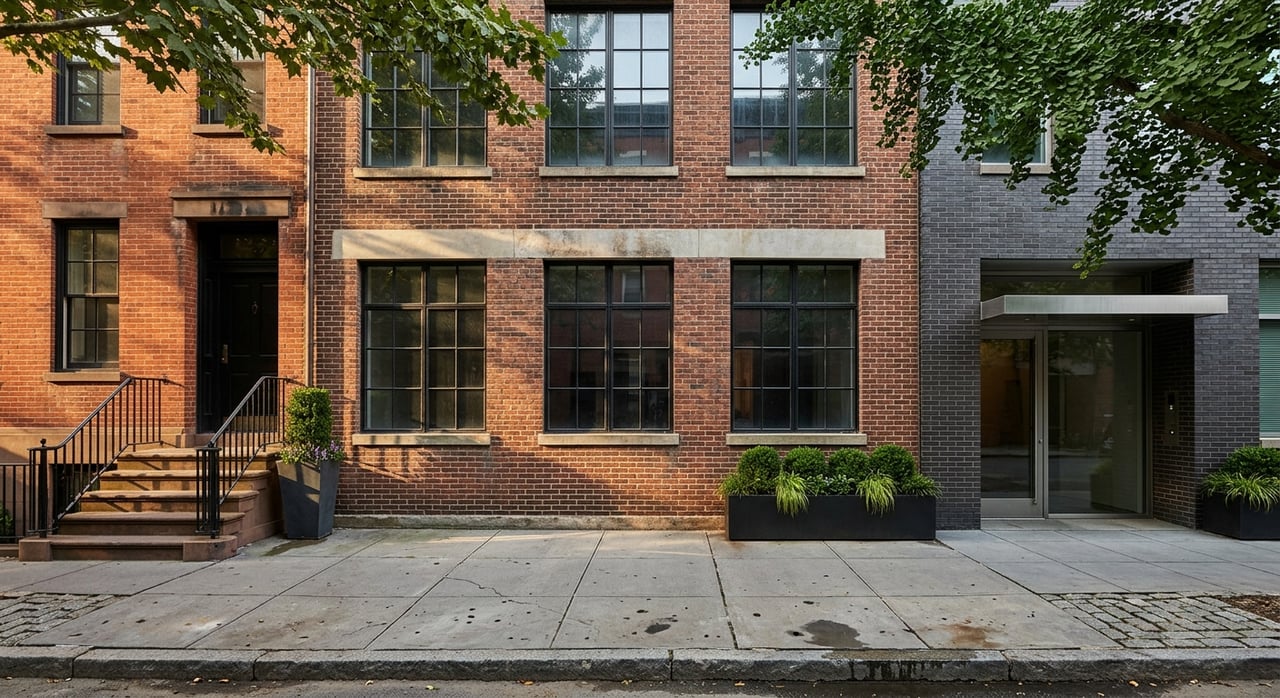
StreetEasy also notes that the housing mix shifts as you move east, where you are more likely to find walk-ups and larger apartment buildings that are generally less expensive than the blocks closest to the park. That can matter if you want Gramercy’s location and character without competing for the most premium addresses.
Flatiron feels more central and active
Flatiron has a different energy. StreetEasy’s Flatiron neighborhood overview describes it as lively and fast-paced, with shopping, restaurants, and commercial activity shaping the area.
That impression is reinforced by the Flatiron NoMad Partnership, which describes the district as a center of activity with more than 35,000 residents, more than 100,000 daily workers, and more than 18.6 million visitors to the Flatiron Plazas in 2024. If you want to step outside and feel plugged into the city right away, Flatiron tends to deliver that.
For some first-time buyers, that energy is exactly the point. For others, it can feel like a tradeoff if you are hoping for a more residential block-by-block experience.
Building stock differs in a big way
One of the most practical differences between these neighborhoods is what your first home is likely to look and feel like.
What you may find in Gramercy
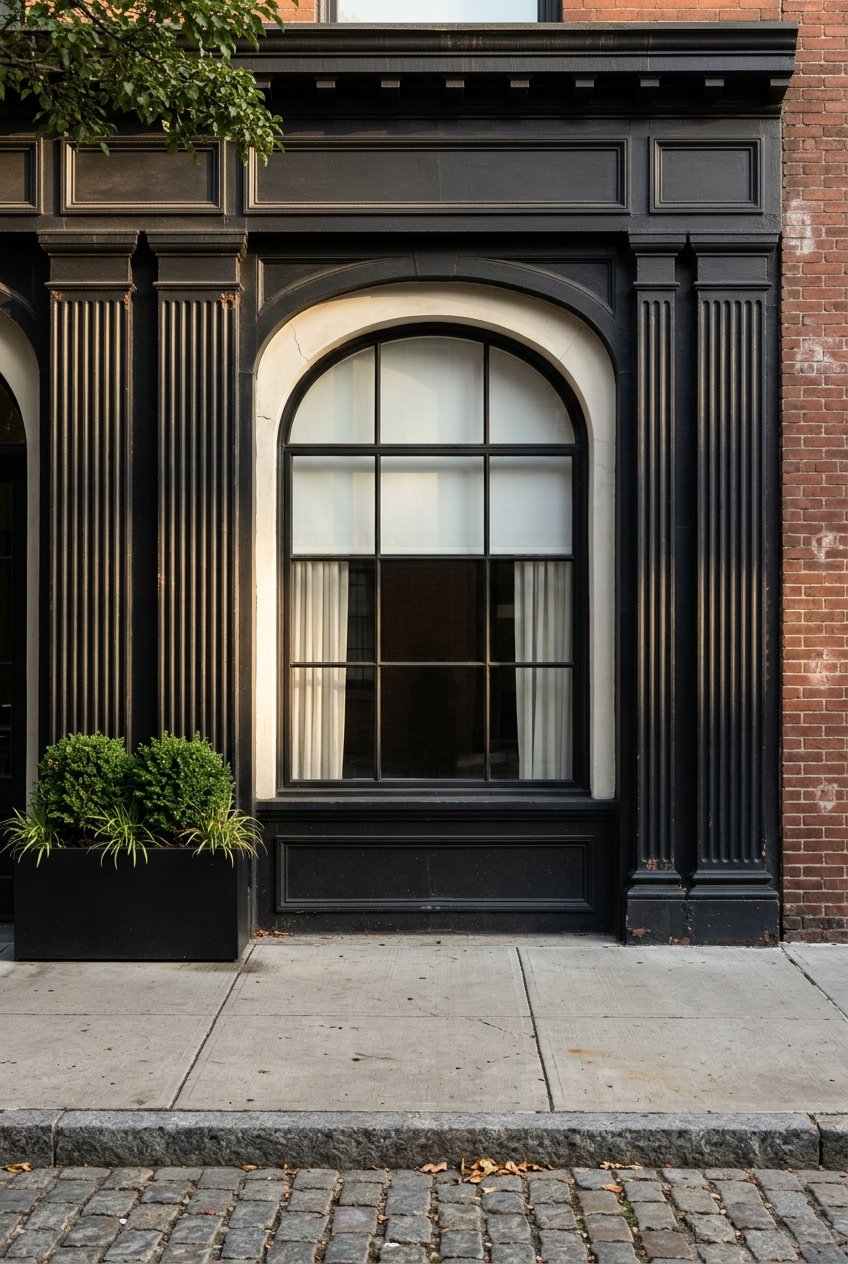
In Gramercy, the housing stock leans older and more residential in character. StreetEasy points to upscale co-ops, Greek Revival style townhouses, walk-ups, and larger apartment buildings depending on where you look within the neighborhood.
That can appeal to buyers who value architectural character, established blocks, and a less polished but more classic Manhattan feel. It can also mean more variation from building to building, especially once you move beyond the most park-adjacent streets.
What you may find in Flatiron
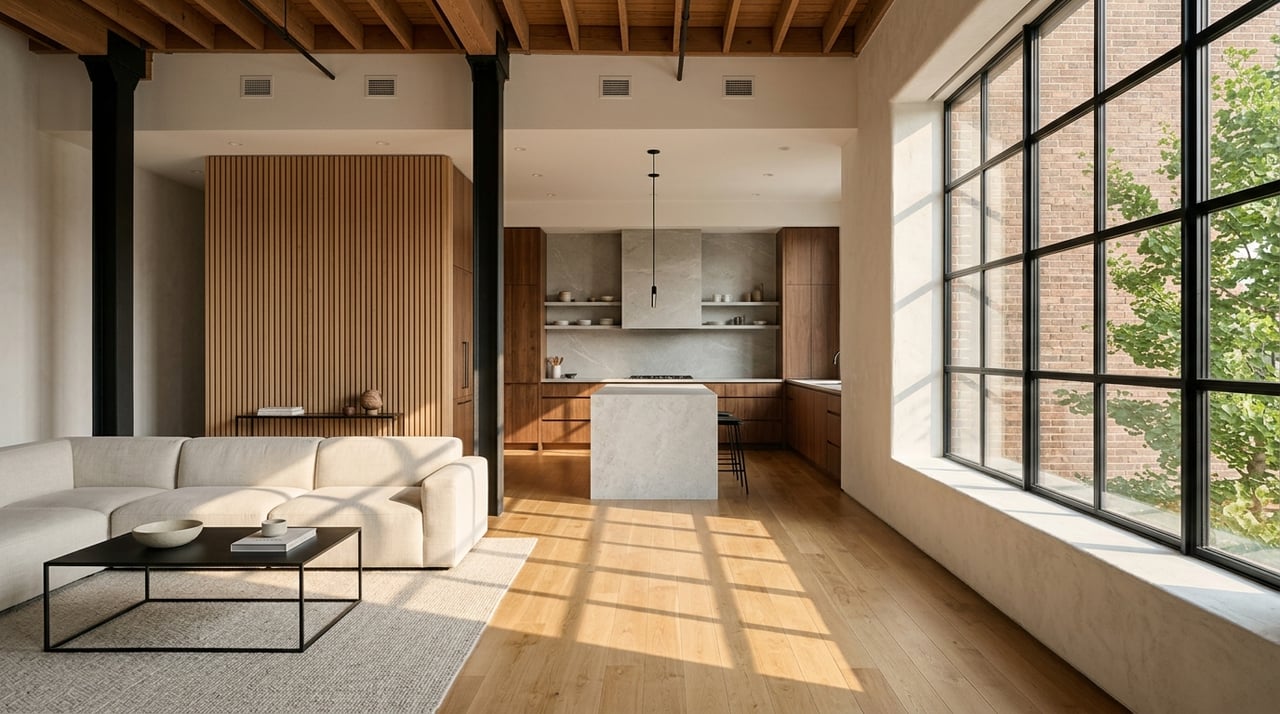
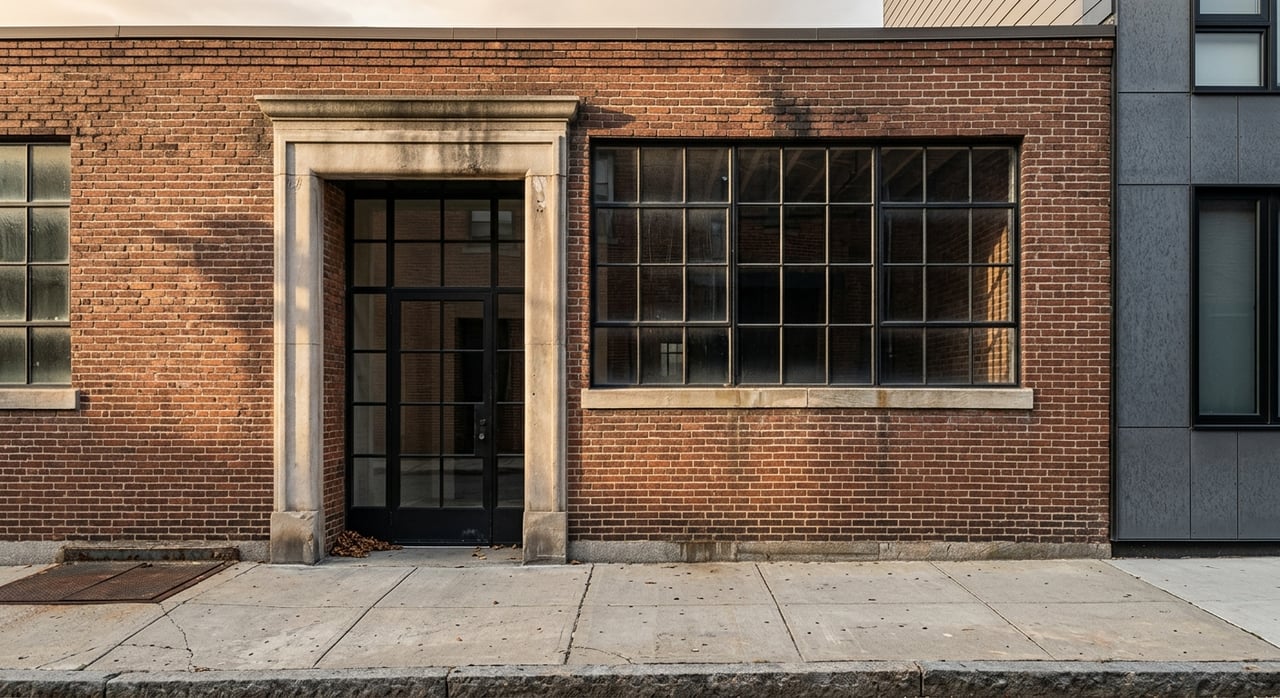
In Flatiron, the available inventory is more likely to include modern doorman buildings, luxury new developments, and former lofts converted into upscale apartments, according to StreetEasy’s Flatiron profile. Walk-ups exist, but they are a smaller share of the picture.
If your first-home wish list includes amenities, newer finishes, or a more polished common-area experience, Flatiron may line up better. The tradeoff is that you will usually pay more for that package.
Transit is strong in both
You do not need to sacrifice connectivity in either neighborhood. The MTA Manhattan neighborhood map shows a dense network of nearby stations, including 14 St–Union Sq with the 4/5/6, L, and N/Q/R/W lines, plus multiple 23 St stations serving the 1, 6, C/E, F/M, and R/W lines.
For many buyers, Flatiron has the edge in immediate subway density around 23rd Street and Union Square. Gramercy still offers strong access and is described by StreetEasy as a quick walk to Union Square and conveniently located to most subway lines.
In simple terms, the transit question is less about whether you can get around and more about how directly connected you want to feel to the busiest parts of the grid.
How lifestyle fit should guide you
When first-time buyers compare neighborhoods, it is easy to focus only on square footage, finishes, and monthly costs. Those matter, but your daily routine matters too.
Gramercy may suit you better if
Gramercy may be the stronger fit if you want:
- A quieter residential block
- A more historic and old-world setting
- A lower median purchase price than Flatiron
- More comfort with older building stock and a wider mix of housing types
The main tradeoff is that the most iconic Gramercy blocks can still be quite expensive, and the neighborhood changes as you move outward from the park.
Flatiron may suit you better if
Flatiron may be the stronger fit if you want:
- A busier day-to-day atmosphere
- Strong access to restaurants and shopping
- Excellent transit convenience
- A better chance of finding newer or amenity-rich inventory
The tradeoffs are higher median pricing, more commercial street activity, and lower turnover in the housing stock.
Which is better for a first Manhattan home?
There is no universal winner, but there is usually a clearer personal fit.
If your top priorities are quiet, residential character, and a somewhat lower entry point, Gramercy often makes more sense. If your top priorities are centrality, energy, and newer-feeling or more service-oriented buildings, Flatiron often comes out ahead.
A helpful rule of thumb is this: choose Gramercy if you want your home to feel like a retreat from the city’s pace. Choose Flatiron if you want your home to place you in the middle of it.
A smart way to compare both
If you are actively home shopping, compare the neighborhoods through the lens of your actual first-year experience, not just the listing photos. Ask yourself:
- How much building service do you want day to day?
- Would you rather be on a quieter block or near more activity?
- Is your budget better aligned with Gramercy’s median pricing?
- Are you open to older co-op or walk-up inventory?
- Do you want a more modern doorman or loft-style option?
Those answers can quickly narrow your search and save you time.
Buying your first home in Manhattan is not only about finding a property you like. It is about choosing a neighborhood that supports how you want to live now and what you want your investment to feel like over time. If you want a neighborhood-first, data-informed view of Gramercy, Flatiron, or nearby downtown options, Ava Anz can help you compare the tradeoffs and move forward with a clear plan.
FAQs
Is Gramercy Park cheaper than Flatiron for a first home?
- Yes. Based on StreetEasy neighborhood data in the research provided, Gramercy Park has a $1.0M median sale price compared with $1.7M in Flatiron.
Is Flatiron better connected than Gramercy for subway access?
- Both neighborhoods have strong transit access, but Flatiron generally has an edge in immediate subway density around 23rd Street and Union Square based on the MTA Manhattan neighborhood map.
What kind of homes do first-time buyers usually find in Gramercy?
- Gramercy tends to offer older, more residential-feeling housing stock, including co-ops, townhouses, walk-ups, and larger apartment buildings, especially as you move east.
What kind of homes do first-time buyers usually find in Flatiron?
- Flatiron is more likely to offer modern doorman buildings, luxury new development, and loft conversions into upscale apartments, with fewer walk-ups in the mix.
Which neighborhood is quieter for a first Manhattan home, Gramercy or Flatiron?
- Gramercy is generally the quieter and more residential-feeling option, while Flatiron is typically busier and more commercial in its street-level activity.