What if one of Manhattan’s most famous shopping districts is also a genuinely livable neighborhood? If you are considering SoHo, it helps to look past the storefronts and weekend crowds to understand what daily life actually feels like here. From historic loft buildings to transit access and everyday routines, this guide will show you what residential life in SoHo really offers. Let’s dive in.
SoHo has a true residential identity
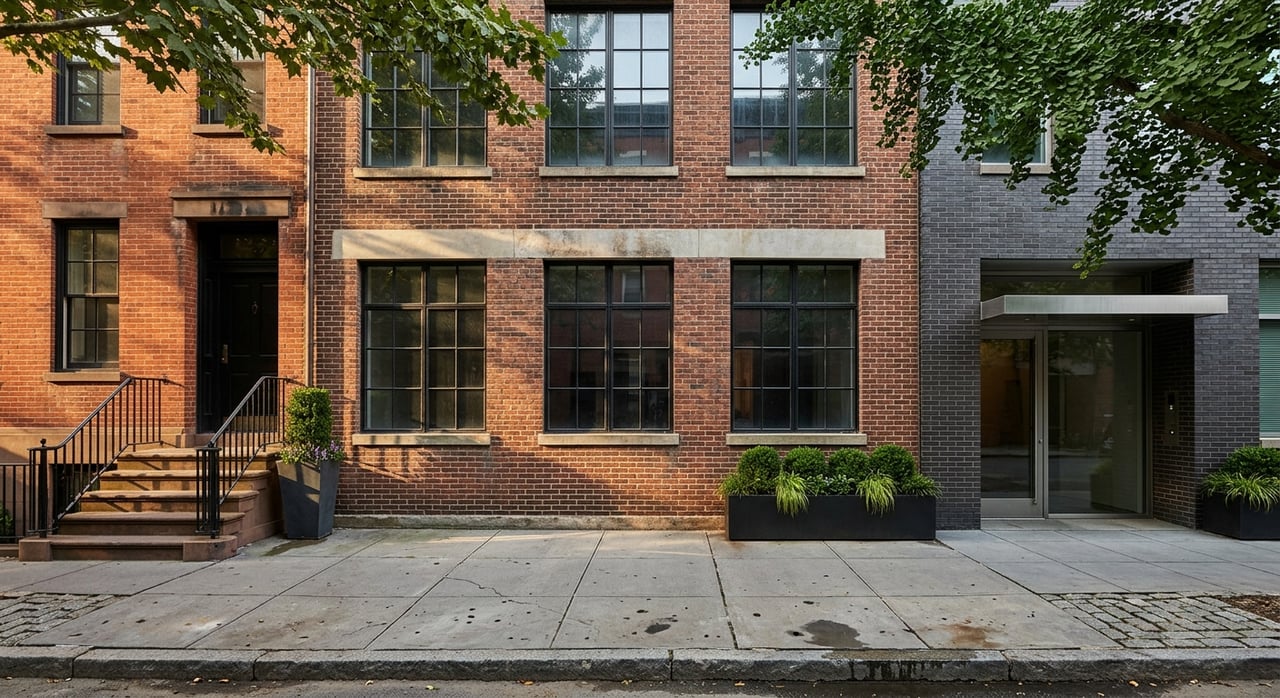
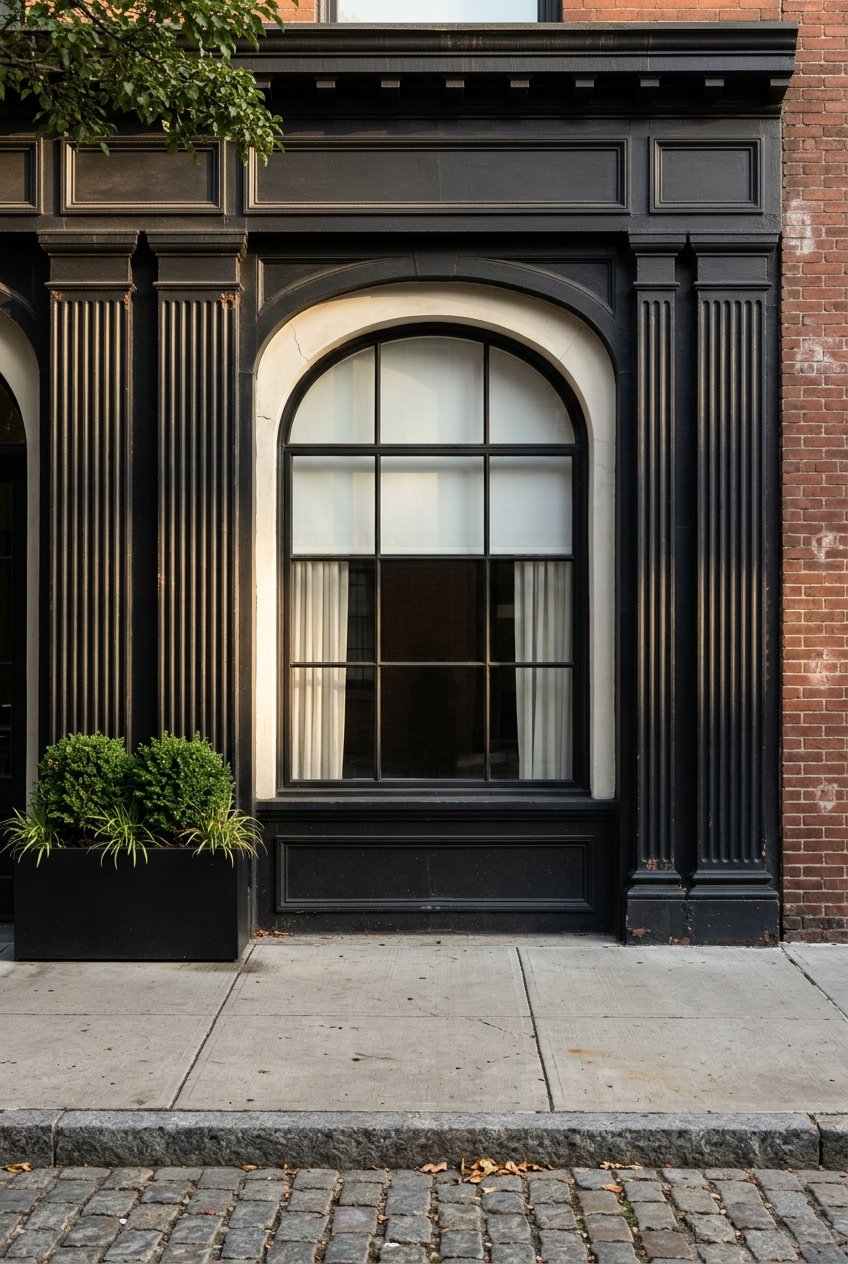
SoHo is often seen first as a retail destination, but that misses a big part of the picture. The neighborhood has a long residential story tied to its preserved industrial architecture, cast-iron facades, and converted loft buildings.
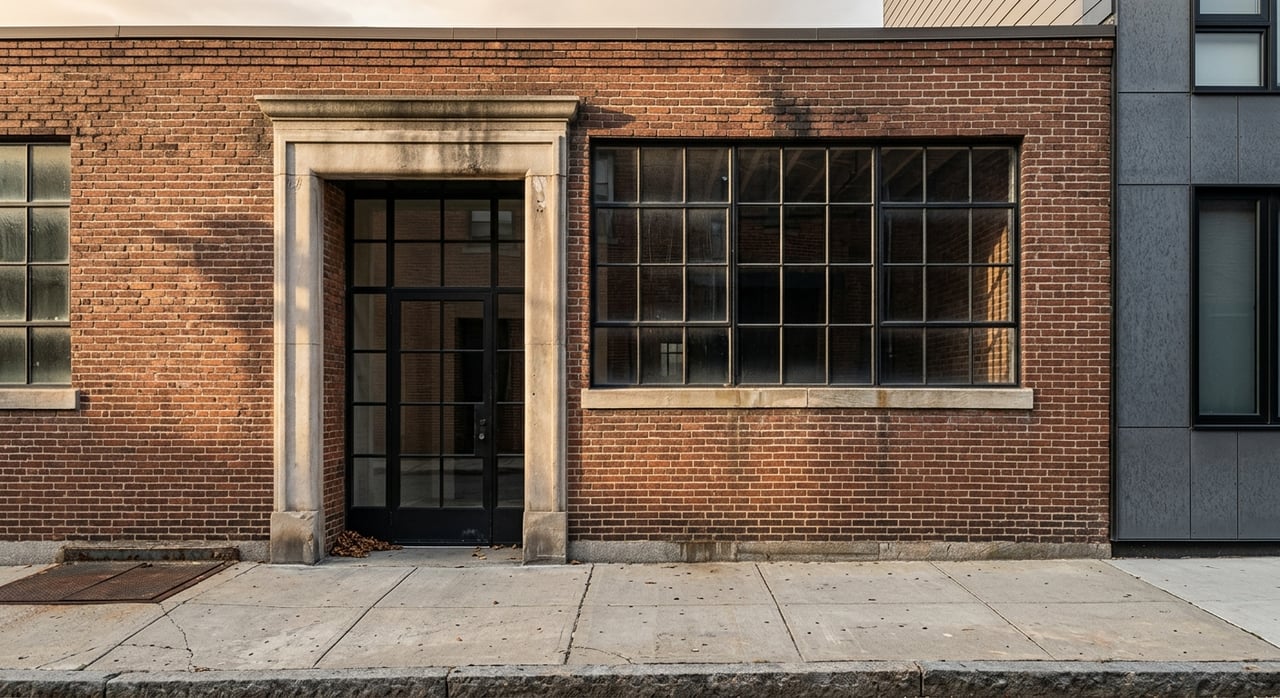
The SoHo-Cast Iron Historic District was designated in 1973, with a later extension in 2010 adding roughly 135 more properties. According to the city’s designation materials, the district originally protected about 500 buildings across 25 blocks, reflecting SoHo’s 19th-century roots as an area of store-and-loft buildings used for wholesale and manufacturing.
That physical history still shapes the living experience today. Many homes in SoHo stand out because they offer architectural character, generous proportions, and a streetscape that feels distinctly different from more typical high-rise neighborhoods.
Historic buildings shape daily life
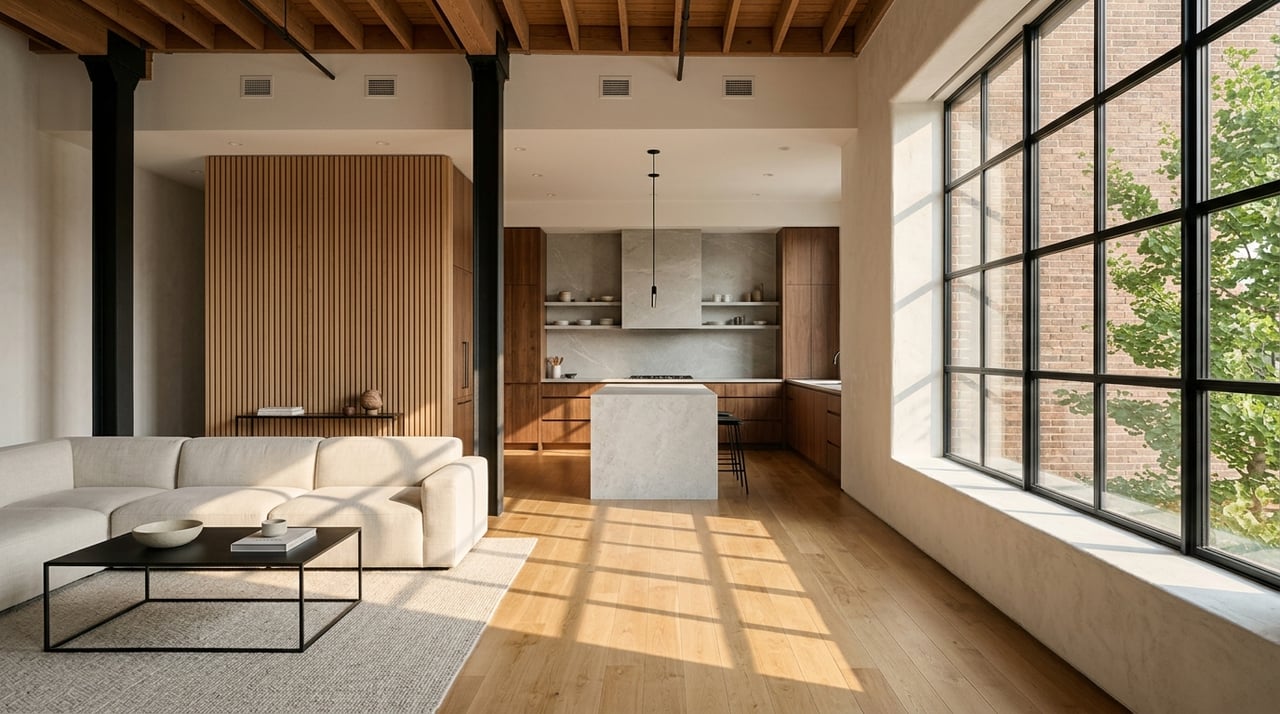
SoHo’s architecture is a major reason people are drawn to the area. Living here often means original details, large windows, and loft-style layouts that feel hard to replicate elsewhere in Manhattan.
That said, historic status is not just aesthetic. In a landmarked district, certain exterior changes and some building-related alterations may require review, which can affect renovation plans and timelines.
If you are buying or renting in SoHo, it is smart to treat the building itself as part of the decision. The appeal of a cast-iron loft can be significant, but so can the practical details that come with a historic property.
Everyday convenience is a major advantage
One of SoHo’s strongest points is how easy it is to manage daily life without a car. The neighborhood benefits from strong subway access, walkability, and a concentration of useful services that support a practical routine.
Broadway-Lafayette Street/Bleecker Street serves the D, F, M, and 6 trains and is ADA accessible. Canal Street adds another nearby subway hub, while Spring Street on the E provides additional access, making it realistic for many residents to build a car-light lifestyle around transit and walking.
Errands are also straightforward. Trader Joe’s at 233 Spring Street and Whole Foods Bowery at 95 East Houston Street help anchor everyday grocery needs, which is an important reminder that SoHo is not only about shopping and dining but also about basic weeknight convenience.
Fitness and routines fit urban schedules
If your ideal neighborhood supports a smooth workday rhythm, SoHo performs well. Nearby fitness options include Equinox SoHo on Prince Street and Orangetheory’s Crosby Street location, making it easier to fit exercise into a packed schedule.
That matters more than it may seem at first glance. In a neighborhood where you can walk to groceries, catch multiple subway lines, and fit in a workout nearby, your routine can feel simpler and more efficient.
For many buyers and renters, that kind of convenience is part of the real value of living downtown. It is not just about the apartment itself but also about how easily the neighborhood supports your day.
Green space is nearby, not central
SoHo does not have a large internal park system, so your outdoor routine will likely depend on nearby destinations. For many residents, Hudson River Park and Washington Square Park are the obvious go-to options.
Hudson River Park stretches four miles along Manhattan’s west side and covers 550 acres. Washington Square Park offers a different kind of neighborhood energy, with dog-friendly areas, playgrounds, restrooms, eateries, and a strong public presence.
In practical terms, this means you can still access quality outdoor space, but you may not step out your front door into a park-heavy streetscape. If green space is a major priority, that is an important part of evaluating fit.
Street energy is part of the package
SoHo offers a distinctly urban pace. The same retail popularity that gives the neighborhood energy also brings tourists, street activity, delivery traffic, and weekend crowding, especially along major corridors.
Neighborhood guides consistently note that streets like Spring, Prince, and Broadway tend to feel busier. If quiet is high on your list, side streets may offer a more comfortable experience than units directly facing the most active retail routes.
This does not make SoHo less livable. It simply means that apartment selection matters a great deal here, and the difference between one block and the next can be meaningful.
Apartment specifics matter in SoHo
In many neighborhoods, you can make broad assumptions based on building type. In SoHo, the living experience often varies more sharply by floor, street exposure, and layout.
A loft may offer impressive volume and light, but your day-to-day comfort can depend on practical details like window quality, elevator access, and whether the home faces a busy street or a quieter interior condition. Those are some of the most important questions to ask during a search.
If you are considering a purchase, future alteration plans should also be part of the conversation. In a landmarked context, renovation flexibility may not look the same as it would in a non-protected building.
Who SoHo tends to suit best
SoHo is often a strong fit for people who want walkability, transit access, and a neighborhood with a clear identity. It tends to appeal to young professionals, couples, and buyers or renters who value architecture, convenience, and an active downtown setting.
Community District 2 had 92,445 residents and 58,418 housing units in 2020, with 87% occupied units. Only 9.3% of residents were under 18, which suggests a dense and established district that is less centered on households with children than many other parts of the city.
That does not mean SoHo works for only one type of resident. It does mean the neighborhood’s mix of historic housing stock, commercial activity, and urban energy tends to align better with some lifestyles than others.
When SoHo may be a harder match
Every neighborhood comes with tradeoffs, and SoHo is no exception. If you want consistent quiet, abundant nearby park space, or a setup that feels especially car-friendly, SoHo may be more challenging.
The neighborhood’s identity is tied to mixed use. That is part of what makes it dynamic, but it also means some blocks can feel active for long stretches of the day, especially on weekends.
The best approach is not to ask whether SoHo is objectively good or bad for residential life. The better question is whether its specific mix of convenience, character, and street energy matches the way you actually live.
Community life has a visible local process
Another often overlooked part of living in SoHo is that neighborhood quality-of-life issues have a public forum. SoHo is part of Manhattan Community District 2, where topics like zoning, sanitation, street maintenance, sidewalk cafes, and liquor-license issues move through a visible local process.
For residents, that means neighborhood change is not just something that happens in the background. There is a structured civic framework that shapes how local issues are discussed and reviewed.
That can be useful if you are the kind of buyer or renter who wants to understand not just the apartment, but also how the neighborhood functions over time.
The real takeaway on SoHo living
SoHo is more than a shopping district with homes tucked above the stores. It is a historic mixed-use Manhattan neighborhood with a strong loft identity, reliable day-to-day convenience, and a level of street energy that feels unmistakably urban.
If you are drawn to architecture, walkability, and downtown access, SoHo can be a compelling place to live. The key is to evaluate it with clear eyes, paying close attention to block-by-block feel, building conditions, and the details of the specific home.
If you are weighing a move to SoHo, buying, renting, or planning your next step in downtown Manhattan, Ava Anz can help you assess neighborhood fit, compare options, and move with a smart, local strategy.
FAQs
What is residential life in SoHo like day to day?
- Residential life in SoHo is usually defined by walkability, strong subway access, easy errands, nearby fitness options, and a busy street environment that feels active and urban.
What types of homes are common in SoHo?
- SoHo is best known for loft-style homes and apartments in historic store-and-loft buildings, often with cast-iron architecture, large windows, and layouts with strong architectural character.
Is SoHo a quiet neighborhood to live in?
- Some parts of SoHo can be noisy and crowded, especially near major retail corridors like Broadway, Spring Street, and Prince Street, while side streets may offer a calmer feel.
Does SoHo have good transit access for residents?
- Yes. SoHo benefits from nearby access to the D, F, M, 6, E, and additional Canal Street subway connections, making it practical for many residents to rely on transit and walking.
What should buyers look for in a SoHo apartment?
- Buyers should pay close attention to street exposure, window quality, elevator access, building conditions, and how landmark status could affect future alterations or renovation plans.
Is SoHo a good fit for everyone looking in Manhattan?
- Not always. SoHo tends to suit people who value architecture, convenience, and an active downtown setting more than those seeking abundant park space, quiet streets, or a car-oriented lifestyle.