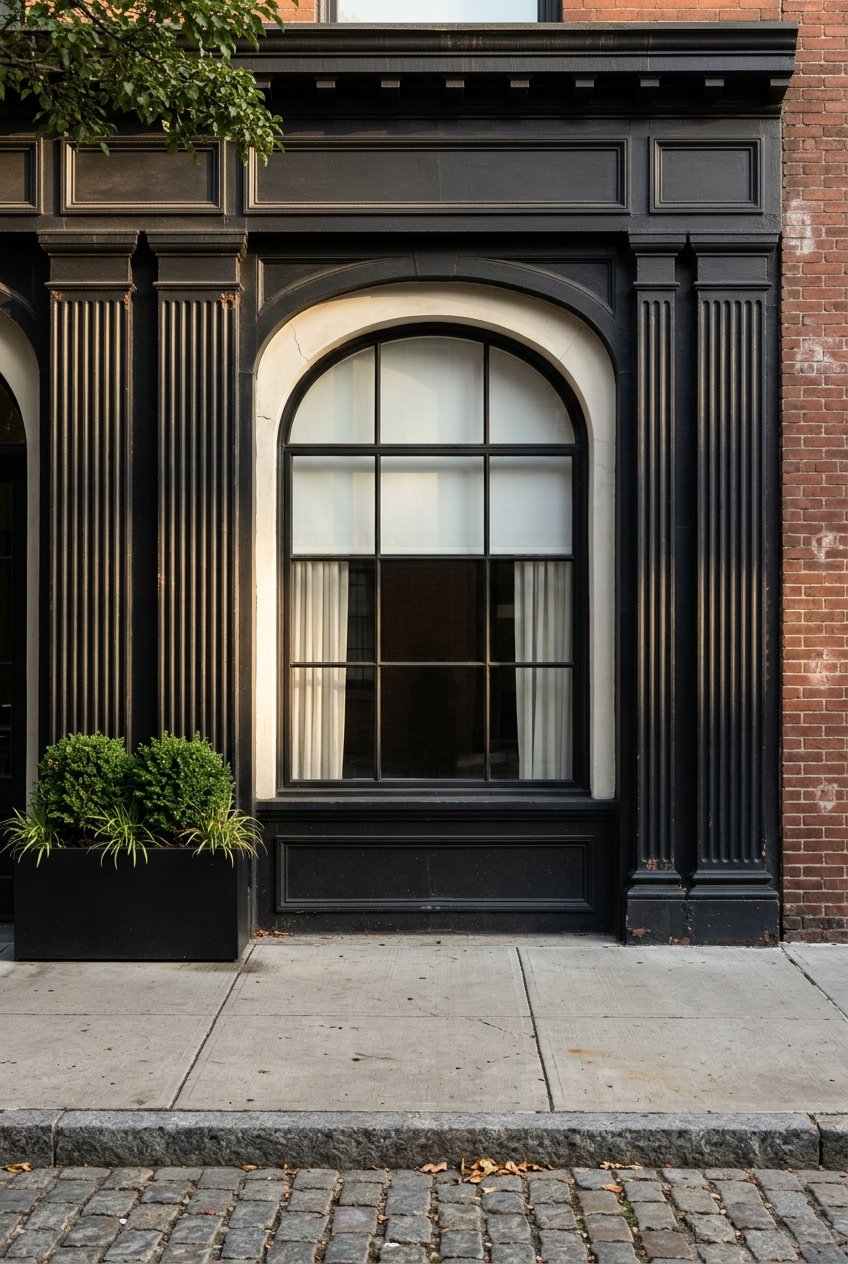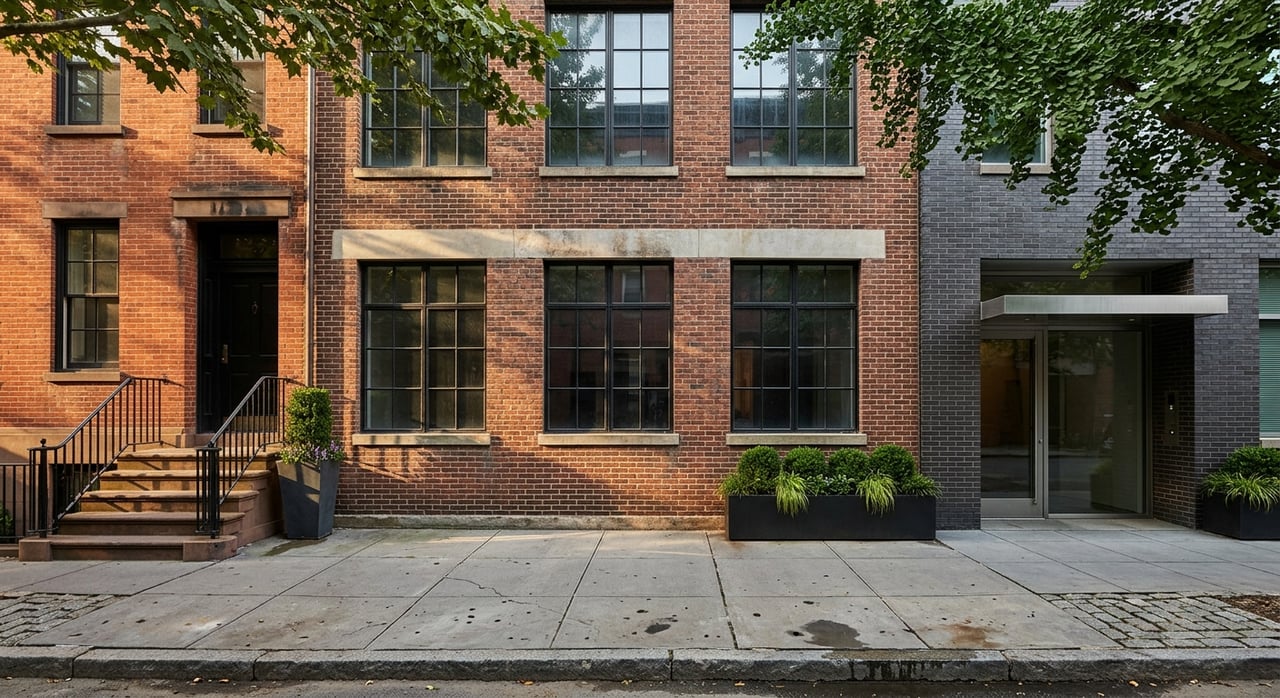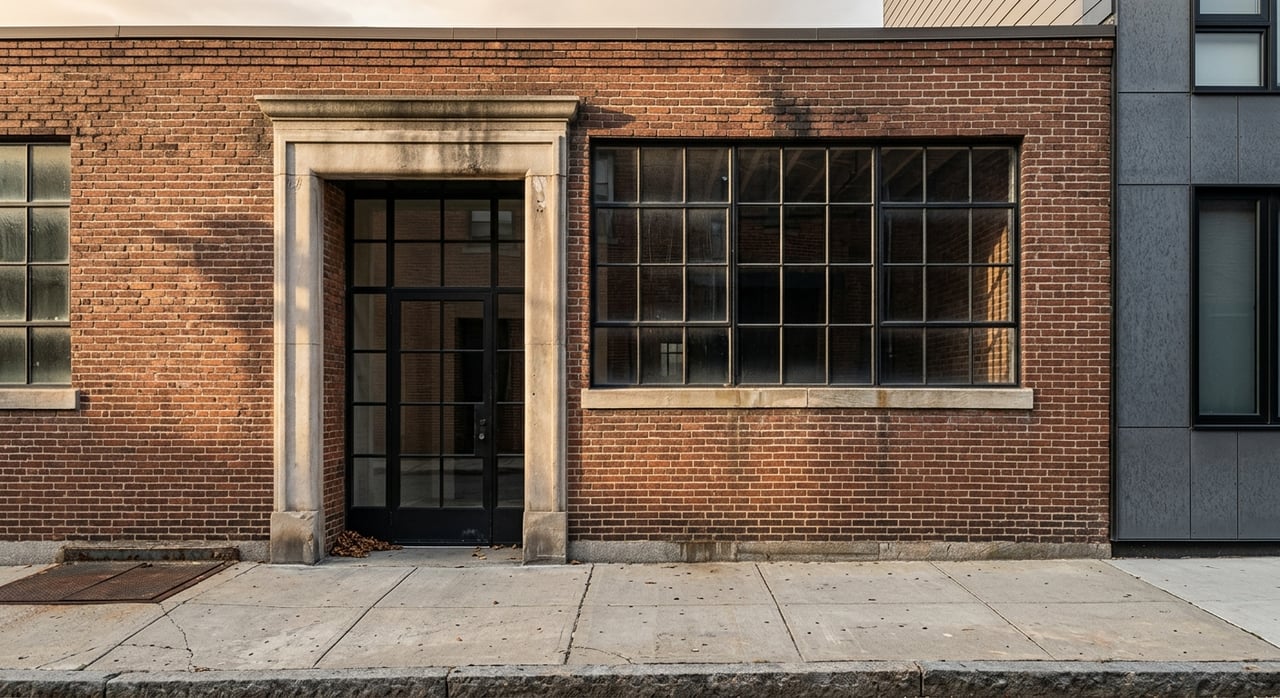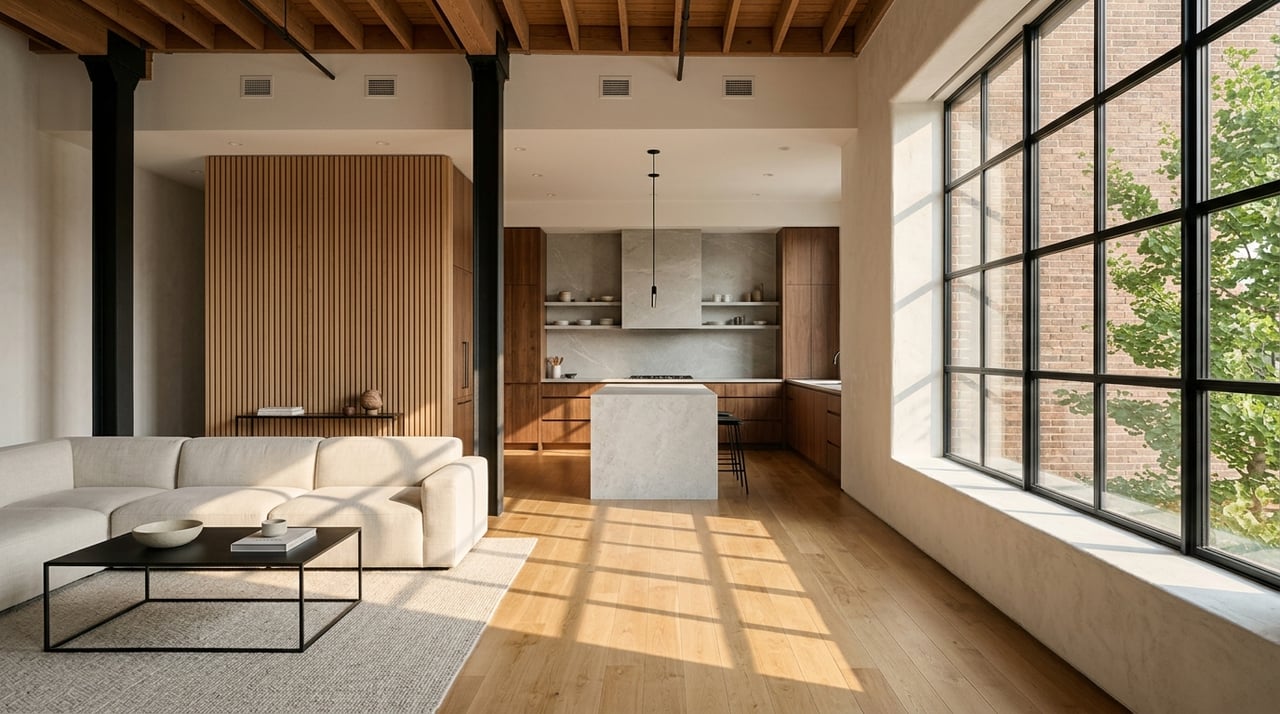
Selling a Tribeca loft is not the same as selling a standard Manhattan apartment. Buyers here are often paying close attention to scale, light, original character, and whether the asking price feels supported from day one. In a market with high price points and meaningful time on market, the homes that stand out tend to feel polished, honest, and thoughtfully prepared. If you want your loft to make a strong first impression online and in person, a smart prep plan can make a real difference. Let’s dive in.
Why prep matters in Tribeca
Tribeca remains one of Manhattan’s most expensive neighborhoods, with a market defined by cast-iron lofts, cobblestone blocks, and luxury inventory. As of spring 2026, market snapshots show median listing prices around $4.5 million, median sold prices between $3.5 million and $3.675 million, and roughly 68 to 90 days on market depending on the source.
That tells you something important. Buyers are active, but they are selective. Manhattan resale data from late 2025 also showed average days on market around 71 days, with luxury and new development moving more slowly, plus a notable share of cash buyers. In other words, your loft needs to look compelling early, not after weeks of adjustments.
Start with the loft’s core strengths
Highlight scale, light, and authenticity
Tribeca loft buyers are usually not looking for a generic luxury apartment. They are often drawn to the very features that make a loft feel like a loft, such as tall ceilings, oversized windows, open sightlines, columns, beams, masonry, and broad living spaces.
Before you change anything, step back and identify what gives your home presence. The goal is to make those architectural strengths easy to see in person and in photos. If a buyer cannot quickly read the volume of the space, the loft may feel less special than it really is.
Avoid over-designing the space
A common mistake is trying to make a loft feel too styled or too finished. In Tribeca, that can work against you. Buyers at this level are often judging the quality of the bones, and heavy-handed design choices can distract from the features they value most.
A better approach is restraint. Let the loft’s original details lead, then support them with a clean, elevated presentation that feels intentional but not forced.
Check building status before updates
Confirm landmark considerations
Tribeca includes several historic districts, including Tribeca East, North, South, South Extension, and West. If your building is landmarked or sits within one of these historic districts, many exterior changes require advance approval from the Landmarks Preservation Commission.
That matters if you are thinking about window work, façade repairs, or other exterior touch-ups before listing. Ordinary exterior maintenance may not require a permit, but more substantial changes can. It is worth confirming this before spending time or money on work that may need review.
Review Loft Law status if relevant
Some buildings may also have Interim Multiple Dwelling status under the Loft Law. In those cases, there may be added compliance steps involving registration, legalization, and oversight through the Loft Board and Department of Buildings.
This does not mean a sale cannot move forward. It does mean you should clarify the building’s status, annual registration, and any open legalization or violation issues before launch. Clear information helps avoid surprises during buyer due diligence.
Declutter without losing the loft feeling
Remove excess furniture
In an open-plan loft, too much furniture can break up the room and make the layout feel smaller. Too little furniture can have the opposite effect and leave the space feeling cold or undefined. The sweet spot is a layout that shows scale while still helping buyers understand how the loft functions day to day.
One of the simplest ways to improve presentation is to remove one or two pieces from each area. This often opens circulation, improves sightlines, and gives the space more breathing room both on camera and during showings.
Define functional zones
Staging matters because it helps buyers picture themselves in the home. Industry research in 2025 found that staging made it easier for buyers to visualize a future home, and many agents also reported faster sales and stronger offers when homes were staged.
For a Tribeca loft, staging should focus less on filling space and more on clarifying it. Create distinct zones for living, dining, working, or entertaining so the open plan feels easy to understand. When buyers can instantly read how the loft lives, the space tends to feel more usable and more valuable.
Keep the look refined and simple
Luxury buyers often expect thoughtful styling, but that does not mean cluttering the home with accessories. A restrained setup usually works best in a loft setting: clean-lined furniture, a few strong pieces, and enough softness to make the home feel welcoming.
Try to keep attention on the architecture, not the decor. Art, textiles, and accessories should support the room rather than compete with columns, brick, beams, or window walls.
Prepare for photography like a launch
Prioritize the visual package
Most buyers begin online, and photos play a major role in deciding which homes to visit. For a Tribeca loft, that means your listing should be built around a strong visual presentation from the start, including still photography and other marketing assets that help communicate scale and atmosphere.
This is especially important in a neighborhood where buyers may be comparing multiple high-end listings at once. If your loft does not photograph clearly and truthfully, you may lose attention before a showing is even scheduled.
Time the shoot to natural light
Large windows are one of the biggest selling points in many Tribeca lofts, so the timing of the photo shoot matters. East-facing homes often show best in the morning, while west-facing homes tend to shine later in the day and into the evening.
Golden-hour light can also add warmth and depth when it suits the apartment. The right timing can make rooms feel brighter, more layered, and more expensive without making the listing feel artificial.
Make the home camera-ready
Before the shoot, open blinds, clear visual distractions, and make sure fixtures and surfaces are clean. The goal is not perfection for its own sake. It is to ensure the room reads well on screen, where buyers are making fast judgments.
Be careful not to overproduce the images. Overly dramatic wide-angle shots and excessive props can make a loft feel misleading. Buyers should feel that the photos are flattering but true to scale.
Focus updates where they count
Favor minor cosmetic improvements
If your loft needs a refresh, small updates are usually the most practical place to start. Market guidance for Tribeca suggests that minor cosmetic improvements like paint and fixture changes can pay off, while major renovations often do not return their full cost.
That is especially true if your buyer may want to personalize the home anyway. Instead of taking on a large pre-sale project, focus on updates that make the apartment feel cleaner, brighter, and easier to value.
Skip major changes without a clear reason
A full renovation before sale can be expensive, time-consuming, and hard to recoup. It can also create approval issues if the building has landmark considerations or Loft Law complexity.
Unless there is a very specific problem that needs to be solved, most sellers are better served by polishing the home they have. In many cases, a well-prepared loft with authentic character will outperform a heavily altered one that feels less true to the space.
Price with discipline from the start
Use current comps and visible condition
Pricing is part of presentation. In a market where listing prices and sold prices can differ by hundreds of thousands of dollars, an ambitious number unsupported by condition or comps can slow momentum quickly.
A more effective strategy is to price based on recent comparable sales, current market pace, and the loft’s visible quality. Buyers in Tribeca are often sophisticated, and many are well-capitalized. They can recognize when a listing feels aspirational rather than market-aligned.
Strong first-week positioning matters
The first days on market often set the tone for the entire sale. If the loft launches with clean presentation, strong photography, and pricing that feels credible, you give buyers a reason to engage early.
If it launches as a “test price” with a muddled setup, you risk chasing the market later. In Tribeca’s competitive luxury segment, disciplined pricing is often more powerful than repeated reductions.
Your Tribeca loft sale checklist
Before your loft goes live, make sure you can answer yes to most of these:
- Have you identified the apartment’s strongest architectural features?
- Have you reduced clutter without making the loft feel empty?
- Have you defined clear living, dining, and work zones?
- Have you checked whether landmark rules affect planned exterior work?
- If relevant, have you confirmed Loft Law or IMD status and any open issues?
- Have you scheduled photography for the apartment’s best natural light?
- Have you avoided over-staging or misleading photo choices?
- Have you focused updates on cosmetic improvements rather than costly overhauls?
- Have you reviewed pricing against recent Tribeca comparables and current competition?
A standout Tribeca sale usually comes down to a simple formula: preserve the character, clarify the layout, show the light, and price with discipline. When those pieces work together, your loft has a much better chance of attracting serious interest and moving efficiently.
If you are getting ready to sell and want a clear, neighborhood-specific strategy for positioning your home, Ava Anz can help you prepare, market, and launch your Tribeca listing with a practical, data-informed plan.
FAQs
How should you stage a Tribeca loft for sale?
- Focus on defining clear zones for living, dining, and work while keeping sightlines open. Use fewer, well-scaled pieces so buyers can read the loft’s size and flow.
What updates matter most before selling a Tribeca loft?
- Minor cosmetic improvements like paint, lighting, and fixture updates are usually more practical than major renovations. The goal is to make the loft feel polished without erasing its original character.
Do Tribeca sellers need to check landmark rules before making changes?
- Yes, especially for exterior work. Many Tribeca buildings are in historic districts, and certain changes may require advance approval from the Landmarks Preservation Commission.
What should sellers know about Loft Law status in Tribeca?
- If a building has Interim Multiple Dwelling status, there may be registration and legalization issues to review before listing. Confirming status and any open issues early can help prevent delays.
Why is photography so important for a Tribeca loft listing?
- Buyers often decide which homes to tour based on online photos. In a loft, strong photography helps communicate scale, natural light, and architectural character before a buyer ever visits.
How should you price a Tribeca loft in today’s market?
- Price it against recent comparable sales, current competition, and the loft’s visible condition. In a selective luxury market, realistic pricing from the start often creates better momentum than testing a higher number.