Trying to choose between a co-op and a condo in the West Village? You are not alone. In this neighborhood, the decision can shape your budget, your timeline, and how much flexibility you have after you buy. If you understand how ownership, monthly costs, and building rules differ, you can make a much smarter move. Let’s dive in.
Why this matters in the West Village
The West Village is one of Manhattan’s most expensive and distinctive submarkets, and the gap between co-ops and condos is especially clear here. PropertyShark’s April 2026 report shows a neighborhood median sale price of $1.8 million, with condos at a median of $2.6 million and co-ops at $1.5 million. CityRealty’s Q1 2026 closed-sale data points in the same direction, with West Village condos at a median of $2,646,975 and co-ops at $1,182,500.
Even when different reports use different methods, the pattern stays the same. Condos generally cost more than co-ops in the West Village, both at the median and on a price-per-square-foot basis. Realtor.com’s current snapshot also shows 206 listings for sale, a median asking price of $1.66 million, a median asking price per square foot of $2.3K, and a typical market time of 60 days.
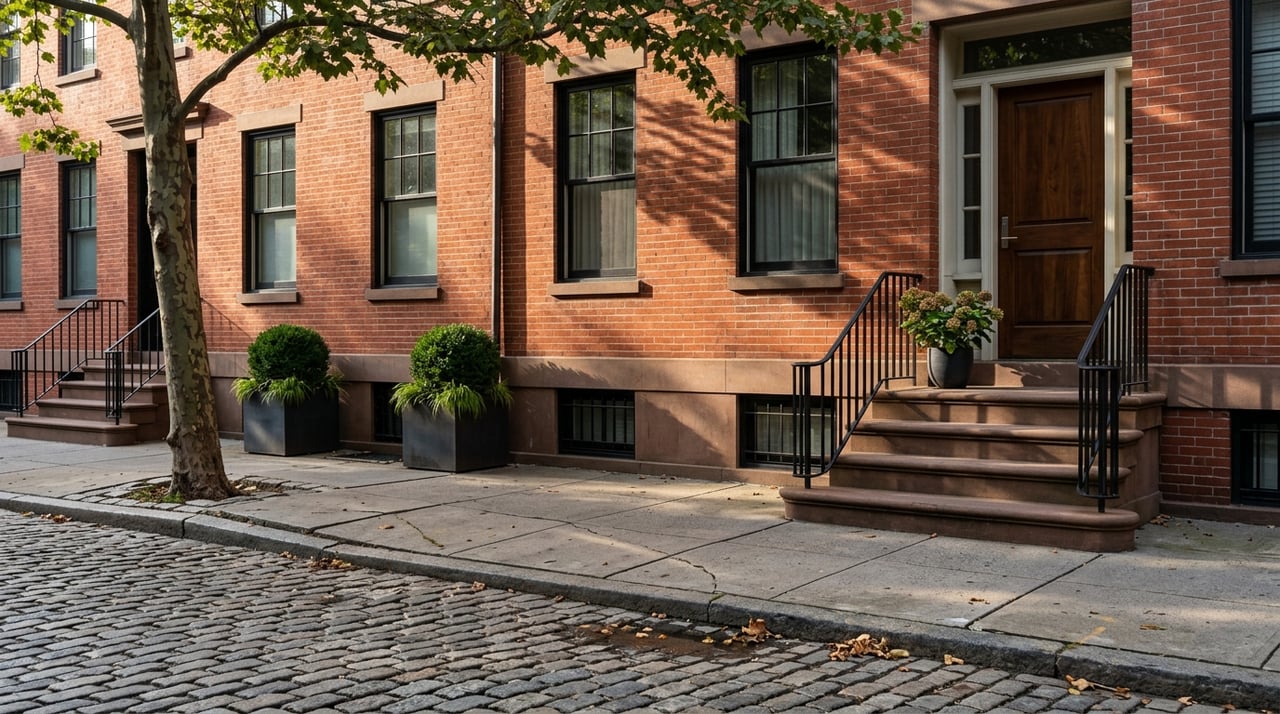
A big reason is the neighborhood’s housing stock. PropertyShark notes that about 80% of the West Village is historic district, and the area is known for low-rise, older buildings and 19th-century architecture. That means you will find many more prewar co-ops, walk-ups, and boutique conversions than large new condo developments.
What you own in a co-op
When you buy a co-op in New York, you are not buying real property in the same way you would with a condo. According to the New York Attorney General, you are buying shares in a corporation, and those shares are tied to a specific apartment. Your right to live in the apartment comes through a proprietary lease.
That structure affects how the building operates. The co-op board and the building’s governing documents play a major role in financial requirements, subletting rules, and day-to-day building policies. Monthly maintenance is usually based on the number of shares assigned to your unit.
For many buyers, this model can offer a lower purchase price in the West Village. But it also usually comes with more oversight and more rules. If you are considering a co-op, you need to be comfortable with a building that takes a more active role in who buys and how the apartment can be used.
What you own in a condo
A condo works differently. The New York Attorney General explains that when you buy a condo, you own a distinct real estate unit along with an undivided interest in the building’s common elements. Each unit is separately taxed and may be separately mortgaged.
This ownership model is often easier for buyers to understand because it looks more like traditional real estate ownership. Condo boards generally do not have the power to approve or reject purchasers, though the building’s declaration and bylaws can still include limits on leasing, resale, or mortgaging. So while condos usually offer more flexibility, they are not completely without restrictions.
In practical terms, condos tend to appeal to buyers who want simpler ownership and fewer hurdles on resale or rental plans. In a neighborhood like the West Village, where condo supply is smaller, that flexibility often comes at a premium.
Why condos usually cost more
In the West Village, condos tend to command a higher price for a few straightforward reasons. First, the ownership structure is more flexible, which broadens the buyer pool. Second, the neighborhood has limited condo inventory compared with its large supply of older co-op buildings.
The local numbers make that clear. PropertyShark reports West Village condos at about $2K per square foot and co-ops at about $1K per square foot. StreetEasy also notes that co-ops are generally 15% to 20% cheaper than condos citywide, which aligns with the discount many buyers expect when comparing the two property types.
That does not mean one is automatically a better value. It means you are often deciding between lower entry cost and greater future flexibility. In the West Village, that trade-off is especially visible because the neighborhood has so many character-rich co-ops and relatively few newer condos.
Monthly costs are not the same thing
One of the biggest mistakes buyers make is comparing co-op maintenance to condo common charges without looking deeper. These are not the same expense categories. A co-op’s monthly maintenance often includes property taxes, utilities, staff salaries, any underlying mortgage, and building upkeep.
In a condo, common charges usually cover building operations, but property taxes are billed separately. So a condo can appear cheaper on a monthly building fee basis even when the true carrying cost is much higher once taxes are added. This is one of the most important apples-to-oranges issues in Manhattan home searches.
The current West Village listing examples in the research show how this plays out. At 350 Bleecker Street #4K, a co-op sponsor unit is asking $1,199,000 with $1,837 per month in maintenance, and taxes are included. At 164 Bank Street #10B, a condo is asking $1,475,000 with $995 per month in common charges plus $1,440 per month in taxes.
A higher-end example shows the same pattern. At 150 Barrow Street #2B, a boutique condo is asking $4,250,000 with $2,951 per month in common charges and $1,911 per month in taxes. These homes are not directly comparable, but they clearly show why you need to review the full monthly picture before deciding what is more affordable.
Board approval and buying timeline
If speed and certainty matter to you, this is where the difference between co-ops and condos often becomes very real. Co-op purchases usually involve a detailed board package, financial review, and often an interview. StreetEasy notes that buyers commonly need strong reserves and often 20% to 30% down.
Condos are usually less demanding on that front. The purchase application is typically lighter, and buyers usually do not face the same kind of interview process. Some condo buildings still require a waiver or right-of-first-refusal review before closing, but the path is usually simpler.
That extra approval layer can affect timing. Brick Underground cites about 60 days from accepted offer to closing for a New York City co-op on average, with board review as a major variable. StreetEasy says that after a co-op board approval or condo waiver, parties are often ready to close within two to three weeks.
If you are relocating, working around a lease end, or trying to lock in a specific timeline, these differences matter. A condo often offers a more predictable path. A co-op can still be worth it, but you should plan for more paperwork and more waiting.
Subletting and future flexibility
If you think you might rent out the apartment later, pay close attention here. In co-ops, subletting rights are controlled by the proprietary lease, bylaws, and house rules. The New York Attorney General’s guidance lists sublet provisions as a key issue in co-op governance, and those rules can include waiting periods, time limits, and frequency restrictions.
Condos are typically more flexible on leasing. The Attorney General’s condo guidance says sublet provisions are generally not restrictive, though specific building documents can still impose limits. That means you still need to review the paperwork, but condos are usually the easier path for buyers who want future rental options.
This is one of the biggest practical trade-offs in the West Village. If you want a primary residence and are comfortable living within a more structured rule set, a co-op may fit well. If you want more freedom to lease the unit in the future, a condo will often be the better match.
Closing costs can differ too
Purchase price and monthly costs are not the only numbers to compare. Closing costs also tend to be lower for co-ops than for condos. StreetEasy says a Manhattan co-op under $1 million can cost roughly $5,000 to $8,000 to close, while a condo averages about $20,000, largely due to title-related expenses.
That estimate is citywide, not specific to the West Village, but it is still useful when you are budgeting. A condo may offer more flexibility, yet the up-front cost can be meaningfully higher before you even move in. Buyers who are stretching for a down payment should factor that into the decision early.
Which option fits your goals?
For many West Village buyers, the decision comes down to priorities. A co-op often makes sense if you want a lower purchase price, you plan to use the apartment as your primary home, and you are comfortable with a stricter review process. In a neighborhood filled with older, smaller-scale buildings, co-ops also give you access to a large share of the local housing stock.
A condo often makes sense if you value flexibility, want a simpler ownership structure, or may want to rent out the home later. It can also be a better fit if you want a smoother resale path and fewer board-related hurdles. In the West Village, though, you will usually pay more for that convenience.
The right answer is rarely just “co-ops are cheaper” or “condos are better.” It is about how the building’s rules, the monthly carrying costs, and your long-term plans fit together. In this neighborhood especially, the smartest buyers compare the full picture, not just the list price.
If you want help weighing West Village co-ops against condos, pricing the trade-offs, and building a strategy that fits your timeline and goals, schedule a consultation with Ava Anz.
FAQs
What is the main ownership difference between a West Village co-op and condo?
- In a West Village co-op, you buy shares in a corporation and receive a proprietary lease for the apartment. In a condo, you own the unit itself plus an interest in the common elements.
Why are West Village condos usually more expensive than co-ops?
- West Village condos generally cost more because they offer more flexibility, especially around resale and leasing, and because the neighborhood has a smaller supply of condos than co-ops.
Do West Village co-ops have stricter approval rules than condos?
- Yes. West Village co-ops usually require a detailed board application, financial review, and often an interview, while condo purchase applications are typically lighter.
Are monthly costs lower in a West Village condo than a co-op?
- Not necessarily. Condo common charges may look lower, but property taxes are usually separate, while co-op maintenance often includes taxes and other building expenses.
Which is better for future renting in the West Village: a co-op or condo?
- A condo is usually better if future renting matters to you, because co-ops often have stricter subletting rules and waiting periods.
How long does it take to close on a West Village co-op versus condo?
- Co-ops usually take longer because of board review. Research cited here notes about 60 days on average for a New York City co-op, while condos often move faster once documentation and financing are in place.