Eyeing Lower Manhattan for your first purchase or an investment you can live in now and rent later? The Financial District has transformed from a daytime hub into a true 24/7 neighborhood, with strong transit, new retail, and a steady pipeline of office-to-residential conversions. You want to know if prices, rents, and long-term trends add up. In this guide, you’ll see the current numbers, how to think about yields, the supply story behind FiDi, and a step-by-step checklist to analyze any listing. Let’s dive in.
What FiDi looks like now
FiDi sits at the southern tip of Manhattan and is part of the broader Lower Manhattan market. Listing data shows a median asking price near $1.197M and a median asking rent around $4,690, based on StreetEasy’s recent neighborhood analysis of areas to watch in 2026. StreetEasy’s report provides helpful context for these medians.
Rents shift with new listings and seasonality. Zumper’s active listing panel placed FiDi’s median rent around $4,490 in early March 2026. You can review the latest figures on Zumper’s Financial District rent page.
Quarterly research helps balance the quicker-moving listing medians. The Downtown Alliance’s Lower Manhattan report for Q2 2025 showed median residential rents near $4,790 and noted that the area’s population surpassed 70,000 residents, underscoring how many office buildings have converted to housing. You can find those details in the Downtown Alliance Q2 2025 market report.
Supply and pipeline
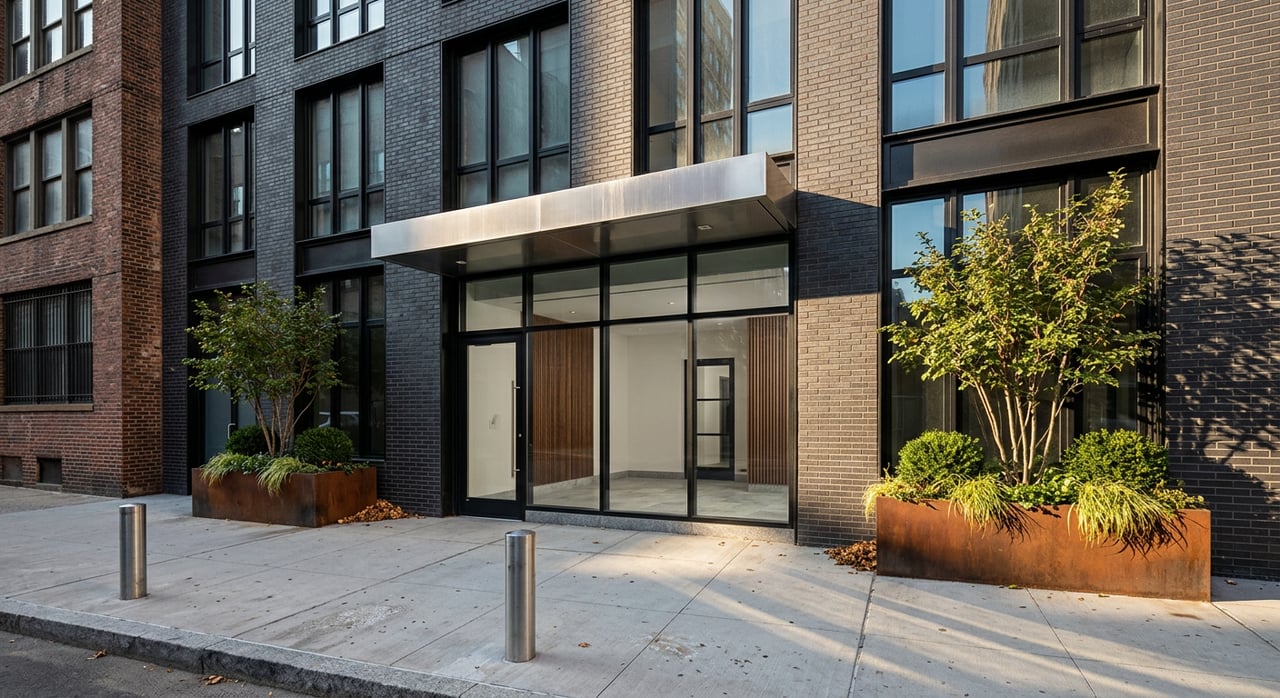
FiDi’s inventory is a mix of prewar lofts, mid-century office conversions, and newer high-rise condos and rentals. Lower Manhattan counted roughly 36,975 residential units as of Q2 2025, and FiDi accounts for a large share. The big story is adaptive reuse: many office buildings are becoming homes.
The City’s Office Adaptive Reuse Study highlights how Lower Manhattan led conversion activity in the 2010s and why it remains a focus today. Projects cited by the Downtown Alliance and press include addresses like 25 Water Street (SoMA), 222 Broadway, 111 Wall Street, 77 Water Street, and 80 Pine Street, which together add thousands of apartments over time. Learn more about feasibility, constraints, and policy in the NYC Office Adaptive Reuse Study.
Conversion economics depend on construction costs, rates, building design, and zoning rules. Not every office building is a candidate. Still, the steady pipeline supports neighborhood density, amenities, and long-term housing supply.
Rents, demand, and yields
Rental demand comes from a broad base of finance and professional services workers, graduate and young professionals, and growing tech and service segments. Stronger office leasing activity has helped local retail and supports long-term rental demand. CoStar reported that Lower Manhattan’s leasing volume more than doubled in 2025 as relocations picked up, even with office vacancy still above historic norms. Read the context in CoStar’s coverage of Lower Manhattan leasing.
FiDi has also welcomed notable retail and amenity additions, from the Oculus and Westfield to upscale openings that serve the resident base. This retail shift is remaking the area’s ground-floor experience. See examples in Forbes’ look at upscale retail in FiDi.
Here is a quick snapshot of gross yield using today’s medians:
- Using StreetEasy’s price ($1.197M) and rent ($4,690), gross yield is about 4.7 percent.
- Using Zumper’s rent ($4,490) instead, gross yield is about 4.5 percent.
Net yields are lower once you include common charges or maintenance, property taxes, insurance, management, and vacancy. For many Manhattan condos, net yields often land in the low single digits. That is why FiDi can make sense as a long-term appreciation plus income play rather than a high-cash-flow strategy.
Buying basics in FiDi
FiDi features more condos and rental buildings than many co-op-heavy neighborhoods, thanks to its conversion history and recent new development. For Manhattan overall, condos tend to command a premium over co-ops and are easier for investors to rent out. Review the structural differences in the Miller Samuel/Douglas Elliman Manhattan Q4 2025 report.
If you are comparing co-ops and condos, pay close attention to down payment norms, board packages, and sublet rules. Co-ops often require larger down payments, post-closing liquidity, and may limit subletting. Condos are generally more flexible for leasing. Building rules vary, so confirm the fine print. For an overview of common co-op practices, see PropertyShark’s co-op guide.
On financing, Manhattan sees a significant share of cash purchases in segments like luxury and new development. If you plan to finance, prepare for realistic down payment targets, closing costs, and reserves. Rate levels, jumbo lending thresholds, and building eligibility will shape your options. The Miller Samuel market report provides helpful structure on how the market segments behave.
Short-term rentals are tightly restricted in New York City. Local Law 18 requires registration and prohibits most unhosted stays under 30 days. If you are modeling returns, plan on long-term leases and do not assume short-term rental income unless you meet the specific, narrow compliance paths. Review the rules on the NYC OSE registration page.
Your due diligence checklist
Use this quick checklist to evaluate any FiDi listing. Most items have a source for deeper reading.
Price per square foot and how it compares to nearby downtown submarkets. See neighborhood medians in StreetEasy’s 2026 watchlist.
Current asking rents in the building and submarket, plus closed lease comps where available. Check Zumper’s FiDi rent trends.
Building type and leasing rules: condo, co-op, or rental. Verify sublet policies and any investor caps. Start with PropertyShark’s co-op basics.
Common charges or maintenance and what they include. Confirm if taxes are included for co-ops and what utilities are covered. See definitions in PropertyShark’s co-op guide.
Building financials: reserves, assessments, and underlying debt. Request recent audited financials for co-ops, and review offering plan materials and filings for condos.
Liquidity markers: days on market and sale-to-list trends. Use neighborhood context from StreetEasy’s overview.
Local pipeline: nearby conversions and new construction that could add supply. See the Downtown Alliance market report.
Transit and amenities: Fulton Center and WTC hubs, PATH, and ferries are key value drivers. The Downtown Alliance report tracks access and neighborhood growth.
Legal limits: short-term rental restrictions and any rent stabilization exposure if you are buying a building. Confirm rules via the NYC OSE page.
Taxes and closing costs: model everything from mortgage and maintenance to mansion tax and property taxes. For context on market structure, see the Miller Samuel report.
Common FiDi strategies
Owner-occupier starter
You buy a studio or one-bedroom condo for primary use, with flexibility to rent later. Prioritize buildings with solid resale velocity and clear leasing policies. Use nearby comps and days-on-market data to gauge resale potential. Street-level amenities and transit proximity help future demand.
Buy and hold rental
You purchase a condo in a building with investor-friendly policies and plan for long-term leases. Underwrite with conservative rent assumptions and realistic vacancy. Expect modest cash flow after charges and taxes, with the bigger win coming from principal pay-down and potential appreciation.
Value play in conversions
You track new conversions near transit for early pricing opportunities. Benefits can include modern amenities and attractive layouts. Risks can include higher taxes post-conversion and potential assessments. Verify the offering plan, building systems, reserve plans, and the sponsor’s track record. The NYC reuse study explains the technical limits that shape these projects.
Risks to watch
- Interest rate sensitivity and construction costs can slow conversion projects or change unit delivery timing. The reuse study calls out these cost and financing pressures.
- Office market volatility matters. If leasing weakens, it could affect local retail vitality and diminish the appeal of living near work, although conversions also remove office supply. CoStar outlines this push-pull in its 2025 recap.
- Building governance and carrying costs vary. Co-op boards can block buyers, cap subletting, or require strict liquidity. Condos can carry high common charges for amenities. These points can make or break returns.
- Short-term rental enforcement limits STR strategies. Local Law 18 is active and meaningful citywide, so plan on long-term leases as your base case.
Bottom line
Is the Financial District a smart investment move? If you want downtown access at pricing often below ultra-prime neighbors like Tribeca and SoHo, FiDi is worth a serious look. Today’s listing medians point to moderate gross yields around 4.5 to 4.7 percent and typically low net yields after costs. That supports a long-term approach focused on appreciation plus steady income, not high monthly cash flow.
What gives FiDi staying power is its unmatched transit, growing retail base, and a robust conversion pipeline that keeps reshaping the neighborhood into a true residential district. If you align your budget, confirm building rules, and underwrite conservatively, you can build a durable foothold in Lower Manhattan.
If you are weighing your next move in FiDi, let’s map the options and run the numbers together. Reach out to Ava Anz to schedule a consultation.
FAQs
What are current home prices in FiDi?
- Listing medians show around $1.197M for asking prices, according to StreetEasy’s 2026 neighborhood watchlist.
What rents can I expect in the Financial District?
- Recent medians range from about $4,490 on listings-based panels to roughly $4,790 in quarterly reports; see Zumper’s FiDi rents and the Downtown Alliance report.
Is FiDi better for condos or co-ops if I plan to rent?
- Condos usually offer more flexible subletting than co-ops, which often require larger down payments and stricter rules; compare structures in the Miller Samuel report and PropertyShark’s co-op guide.
Can I do short-term rentals in FiDi?
- Most sub-30-day, unhosted stays are restricted and require registration; plan for long-term leases and review details on the NYC OSE registration page.
How do office-to-residential conversions affect value?
- Conversions add supply and support a 24/7 neighborhood, but timelines depend on rates and construction costs; see the NYC Office Adaptive Reuse Study for constraints.