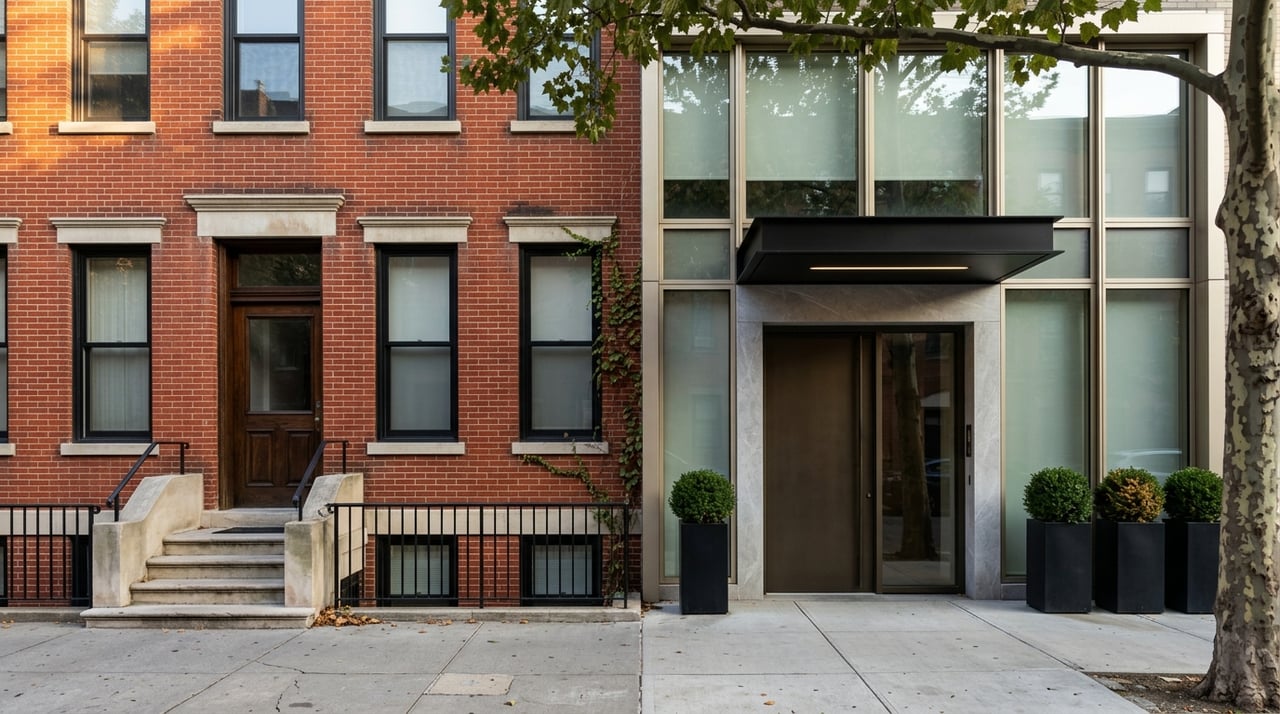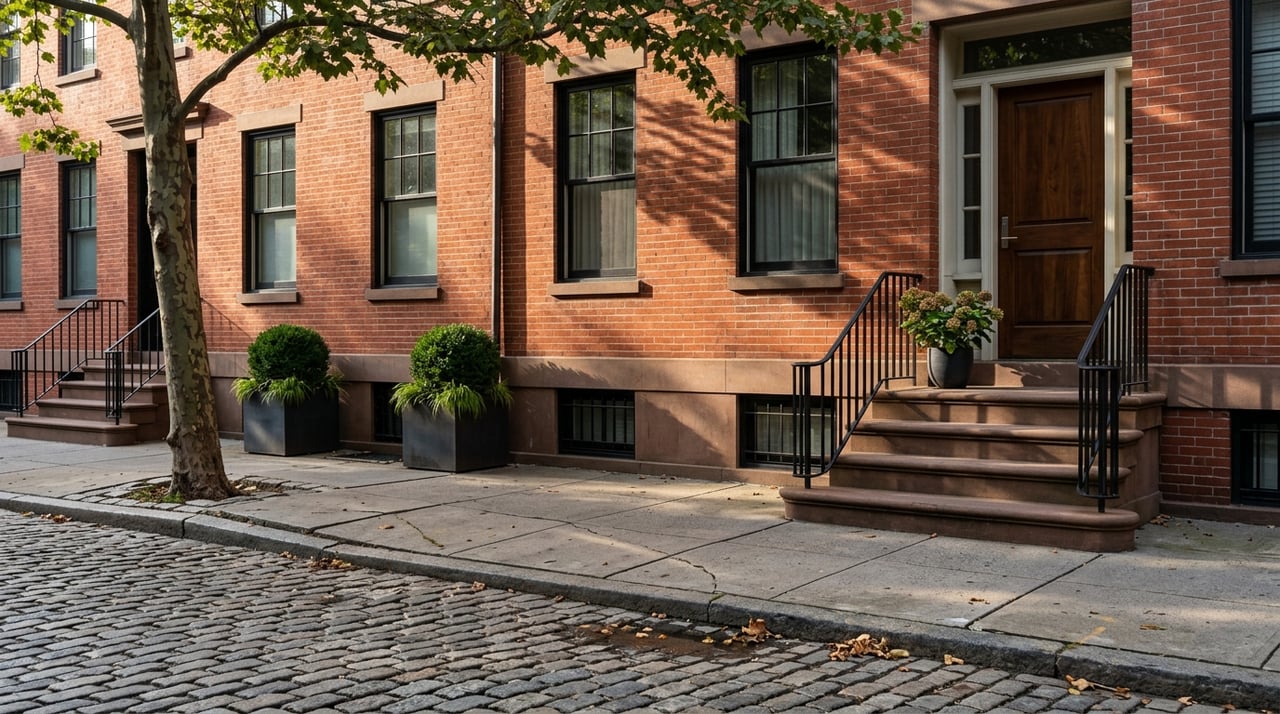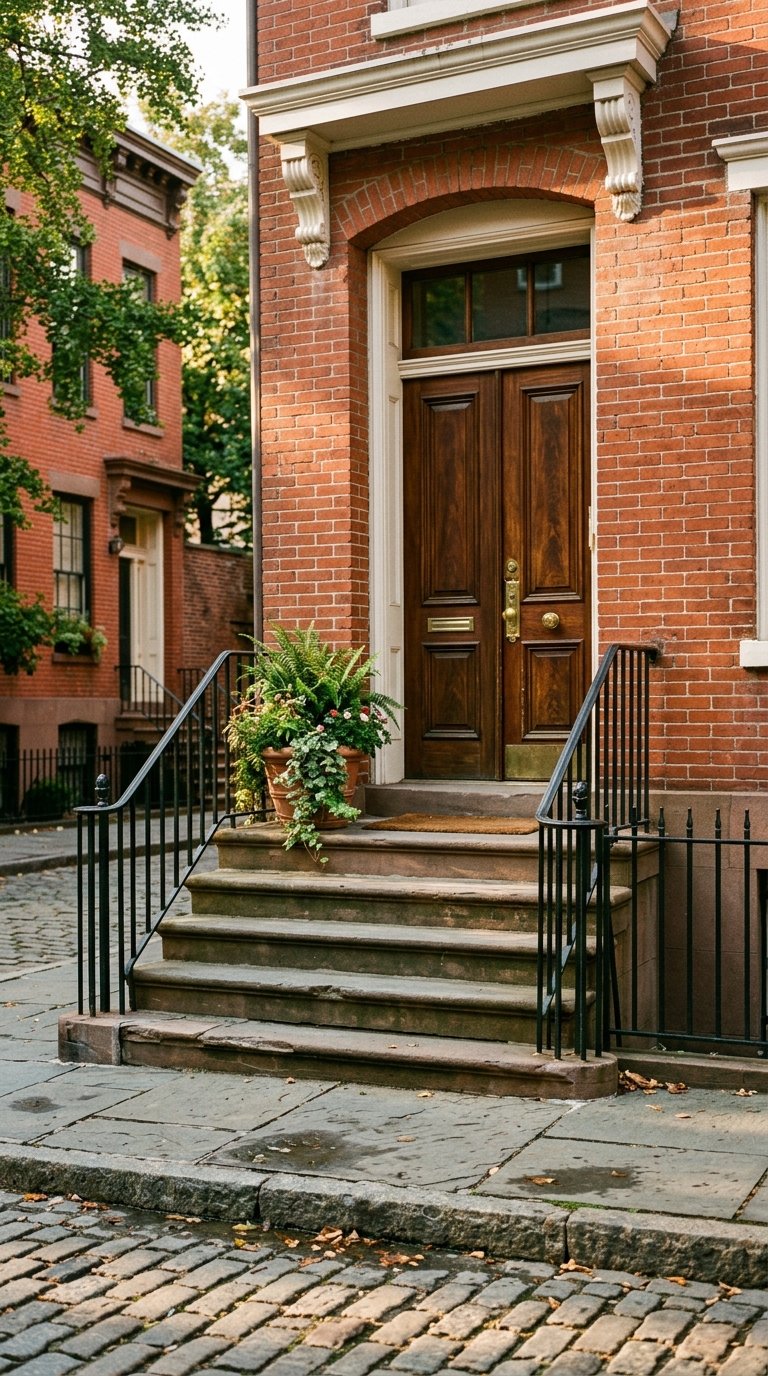
If you are selling in the West Village, you should expect more than a listing going live and a few photos online. In a neighborhood where homes are visually distinctive and buyers have options, marketing needs to feel like a coordinated campaign from day one. The good news is that when you know what strong marketing looks like, you can better evaluate your agent, your launch plan, and your path to a better outcome. Let’s dive in.
West Village marketing needs more than exposure
West Village is one of Manhattan’s most sought-after neighborhoods, known for its historic housing stock and distinct character, according to StreetEasy’s West Village neighborhood overview. It is also a market where sellers should expect real strategy, not passive promotion.
Current market data points in the same direction. StreetEasy notes the neighborhood’s high demand profile, while broader market trackers cited in the research show meaningful inventory, longer days on market, and pricing pressure. Taken together, that suggests your marketing has to do two jobs well: help your home stand out and support pricing discipline.
Start with pre-listing preparation
Strong marketing begins before your home is photographed or shown. The National Association of Realtors consumer guide on marketing your home says preparation can include cleaning, decluttering, cosmetic updates, staging, photography, social media, signage, open houses, and MLS exposure.
That matters in the West Village because many homes offer charm, but not always obvious layout or scale at first glance. If your apartment or townhouse has unique angles, compact rooms, or historic details, preparation should help buyers understand how the space functions and what makes it special.
At a minimum, you should expect a thoughtful pre-launch plan that may include:
- Decluttering and deep cleaning
- Light cosmetic touch-ups where needed
- Room-by-room presentation guidance
- A strategy for highlighting natural light and architectural details
- Timing the photography only after the home is fully ready
This does not always mean full-scale staging. But it should always mean intentional presentation.
Staging should serve a purpose
According to the 2025 NAR Profile of Home Staging, 29% of agents said staging increased the dollar value offered by 1% to 10%, 49% said it reduced time on market, and 83% of buyers’ agents said staging helps buyers envision the home.
That does not mean every West Village seller needs to fully furnish a vacant property. It does mean you should expect your agent to have a clear opinion about what the home needs in order to present well. In many cases, that may be selective staging, furniture edits, art removal, or small corrections that make the layout easier to read.
NAR also found that the living room, primary bedroom, and kitchen were the most important rooms to stage. If your budget or timeline is limited, those areas should usually get the most attention.
Expect a complete visual package
In a digital-first market, visuals are not optional. They are the foundation of your launch.
Among internet-using buyers, NAR found that photos were rated very useful by 83%, detailed property information by 79%, floor plans by 57%, virtual tours by 41%, videos by 29%, and information about upcoming open houses by 24%. That means buyers are not just scrolling for pretty images. They are looking for enough information to decide whether your home deserves a showing.
For a West Village seller, a professional marketing package should usually include:
- Professional photography
- Detailed listing copy
- A floor plan
- Video or virtual-tour content where appropriate
- Open house information once scheduled
This is especially important in a neighborhood where buyers often compare prewar apartments, walk-ups, townhouses, and condos with very different layouts. A floor plan and clear visuals can reduce confusion and improve interest.
Digital distribution should be broad and fast
One of the biggest myths in residential sales is that a great home will sell itself. In reality, buyers need to find it first.
NAR’s home search data found that 51% of buyers found the home they purchased online and 43% started their search online. Only 3% visited open houses as the first step in their search. That tells you something important: digital visibility carries the load.
You should expect your listing to benefit from MLS distribution because NAR notes that it usually provides the broadest exposure. Beyond that, your agent should treat launch as an active process, not a one-time upload.
The first few days matter a lot. NAR’s guidance on maximizing online visibility for every listing explains that early activity can influence whether a listing appears relevant. If your home is not getting enough traction, the strategy may need to shift quickly through changes like updating the lead photo, reordering images, or resharing through targeted channels.
That is what sellers should expect in this market: active optimization, not silence.
Open houses should support the launch
Open houses still matter, but they should be part of a larger system. They are not the entire marketing plan.
According to NAR’s consumer guide, open houses can help agents and sellers meet multiple potential buyers at once, and holding the first open house the weekend after going live can help maximize exposure. NAR’s buyer data also shows that upcoming open house information is useful to many online shoppers, even if it is not how most of them begin their search.
In practical terms, that means your open house plan should connect to your digital strategy. Buyers should see strong visuals online first, then have a clear chance to visit soon after launch.
Global reach may matter in New York
In Manhattan, broad exposure can also mean international visibility. The 2025 NAR International Transactions report found that foreign buyers purchased $56 billion of U.S. homes from April 2024 through March 2025, and New York attracted 7% of all foreign buyers, making it the fourth most popular destination.
For some West Village listings, especially higher-end properties, that supports a wider marketing lens. Ava Anz’s affiliation with Coldwell Banker Warburg and Coldwell Banker Luxury aligns with that expectation by combining local market guidance with brokerage-level distribution.
That does not mean every listing needs the same global push. It does mean your agent should know when broader reach could add value and how to position the home accordingly.
Communication should be part of marketing
Good marketing is not just what buyers see. It is also what you hear from your agent while the property is on the market.
NAR’s 2025 report found that sellers most wanted help marketing the home to potential buyers, pricing competitively, and selling within a specific timeframe. The same report also found that 83% of sellers wanted a broad range of services and management of most aspects of the home sale, rather than a bare-minimum approach.
That means you should expect regular communication, not occasional updates. Your agent should be able to explain what is happening, what the response means, and what changes are planned if the listing is underperforming.
A useful reporting cadence may include:
- Showing activity
- Open house traffic
- Buyer feedback themes
- Online views and saves
- Comparable listing activity
- Pricing context and recommended adjustments if needed
The exact format can vary, but the standard is clarity. You should not have to guess whether the campaign is working.
Pricing and marketing work together
Even the best visuals cannot overcome a pricing problem for long. In a market where reported days on market and inventory levels suggest buyers have choices, pricing and marketing have to support each other.
Marketing creates attention. Pricing converts attention into showings, offers, and leverage. If your home launches beautifully but the response is weak, your agent should be ready to interpret the signals honestly and recommend a smart pivot.
That level of transparency matters. NAR found that honesty, integrity, responsiveness, market knowledge, and communication were among the qualities consumers rated most important in an agent. In other words, strong marketing is not just creative. It is accountable.
What strong West Village marketing looks like
If you are interviewing agents or preparing to list, here is the benchmark to keep in mind. In the West Village, professional marketing should feel like an organized campaign with clear goals, strong presentation, and fast feedback loops.
You should expect:
- Pre-listing preparation before launch
- Professional visuals, not basic snapshots
- A floor plan and strong listing details
- Broad online exposure through MLS distribution
- Open houses timed to support the launch
- Ongoing performance monitoring
- Quick adjustments if early traction is weak
- Clear communication throughout the campaign
That is the difference between simply listing a property and actually marketing it.
If you are thinking about selling in the West Village, a strong plan starts with understanding how your home will be positioned, presented, and adjusted in real time. To talk through a strategy built around neighborhood knowledge, disciplined pricing, and high-quality execution, Ava Anz can help.
FAQs
What should West Village sellers expect from real estate marketing?
- West Village sellers should expect a coordinated plan that includes pre-listing preparation, professional visuals, broad online exposure, open houses, regular reporting, and strategy adjustments when needed.
Why is professional photography important for a West Village listing?
- Professional photography matters because most buyers begin online, and NAR found that photos are one of the most useful parts of a listing for internet-using buyers.
Do West Village homes need staging before listing?
- Not every home needs full staging, but sellers should expect intentional presentation such as decluttering, furniture edits, and focus on key spaces like the living room, primary bedroom, and kitchen.
How important are open houses for West Village sellers?
- Open houses are useful, especially early in the launch, but they work best as part of a broader digital marketing plan rather than as the only source of buyer interest.
What reporting should a West Village seller expect from an agent?
- A seller should expect clear updates on showings, open house traffic, buyer feedback, online interest, comparable activity, and any recommended pricing or marketing changes.
Can international marketing help sell a West Village property?
- For some listings, especially higher-end homes, international exposure may help because New York remains a major destination for foreign buyers according to NAR data.