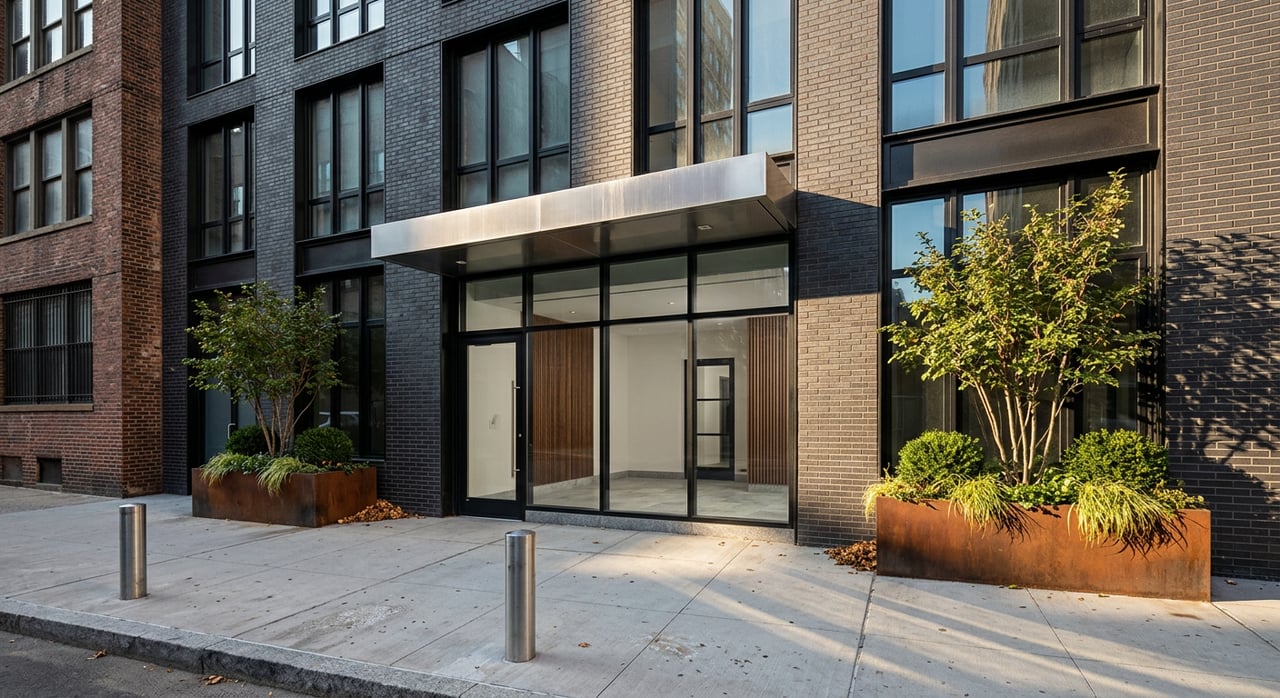
Thinking about buying new development in Flatiron? You are not alone, and you are right to look closely before you sign anything. In a neighborhood with limited inventory, high price points, and a pipeline shaped more by boutique projects and conversions than large towers, the details matter. This guide will help you understand how new development works in the Flatiron District, what to watch for in the paperwork, and how to evaluate timing, costs, and trade-offs with more confidence. Let’s dive in.
Flatiron New Development at a Glance
Flatiron is a small, high-cost Manhattan neighborhood with relatively low turnover. According to StreetEasy’s Flatiron neighborhood data, the median sale price is $1.7M, median base rent is $6,000, and median days on market for sales is 79.
That backdrop shapes the new-development story here. Rather than a wave of large ground-up projects, Flatiron’s current pipeline is mostly boutique and conversion-driven, which means opportunities can feel more limited and more specialized than in neighborhoods with larger redevelopment sites.
What the Pipeline Looks Like
Several active or recently tracked projects show the kind of inventory you are more likely to see in Flatiron. New York YIMBY’s Flatiron coverage highlights projects such as The Ava at 20 West 15th Street, 10W17 at 10 West 17th Street, Louie at 21 West 17th Street and 16 West 18th Street, and the planned conversion of the Flatiron Building at 175 Fifth Avenue.
That list tells you something important. In Flatiron, new development often means smaller condominium buildings, full-floor residences, or adaptive reuse projects, not hundreds of identical units in a single tower. If you are shopping here, your search usually requires more precision, faster timing, and a stronger understanding of each building’s legal and construction status.
Why Historic Rules Matter
Much of Flatiron is shaped by landmark and historic-district rules. The city states that work on a landmarked property or a building in a designated historic district requires approval from the Landmarks Preservation Commission before work begins.
For buyers, that matters in two ways. First, it can affect how quickly a project moves from concept to completion. Second, it can affect what future alterations may require after you own the home, especially in a conversion or historically significant building.
What Flatiron New Development Usually Offers
Flatiron’s new-development amenity profile tends to be full-service, but still boutique in scale. For example, Flatiron House amenities include a central garden, lounge, game room, attended lobby, gym, landscaped terrace, and parking.
At the high end, conversion projects may market extensive amenity packages. The Flatiron Building conversion has been promoted with features like a lap pool, training areas, lounge spaces, wellness areas, and storage options, showing how ambitious some boutique offerings can be.
Still, renderings and marketing language are not the final word. When you buy new development, the legal documents matter more than the brochure.
The Offering Plan Controls
One of the most important rules for any Flatiron new-development buyer is simple: the offering plan controls what the sponsor is required to deliver. The New York Attorney General’s condo and co-op buyer guidance explains that recreational facilities, landscaping, appliances, and unit-level amenities must be described in the offering plan. If something is not promised there, the sponsor is generally not obligated to provide it.
That means you should not rely on verbal statements, mood boards, or sales-gallery language alone. If a finish, appliance package, amenity, or service level matters to you, make sure it is specifically addressed in the governing documents and reviewed by your attorney before you sign.
What to Review Before You Commit
New development in Flatiron is often as much a document review as it is a property search. In a boutique building with a smaller unit count, each clause can carry more weight because there may be less margin for operational surprises.
Before signing, focus on these core items:
- Offering plan and amendments
- Amenity and finish descriptions
- Projected real estate taxes
- Certificate of Occupancy status
- Closing cost allocation
- Disclosure of defects or incomplete work
The Attorney General’s offering-plan database can also help you verify filing dates, sponsors, amendments, and unit counts. That is especially useful when a project has had a long sales timeline or multiple updates.
Closing Costs Can Be Higher
Many buyers are surprised by how expensive a new-development closing can be in New York City. According to StreetEasy’s buyer closing cost guide, closing costs in NYC can reach up to 10% of the purchase price in some cases.
That range matters even more in Flatiron, where price points are already high. In sponsor deals, buyers may also be asked to cover costs that would not always fall on them in a standard resale transaction.
Taxes and Fees to Expect
Depending on the deal, your closing costs may include:
- New York State transfer tax
- New York City additional transfer-related taxes on certain high-value transactions
- Mansion tax on residential purchases of $1 million or more
- Mortgage recording tax if you are financing
- Title-related charges
- Attorney fees
- Building-specific or sponsor-shifted costs
The exact mix depends on the contract structure, purchase price, and financing. That is why a line-by-line review of the deal sheet and contract matters so much in new development.
Property Tax Projections Need Extra Scrutiny
Projected property taxes are one of the easiest numbers to underestimate in a new-development purchase. The Attorney General notes in its guidance on projected real estate taxes that early projections are often based on pre-completion assessments, and taxes can rise materially after the building is completed and reassessed.
In plain terms, your first-year estimate may not reflect the long-term tax picture. If you are budgeting for monthly carrying costs in Flatiron, ask how the projection was calculated and whether the offering materials disclose the risk of an increase after reassessment.
Timing Is Less Predictable Than Resale
Resale deals usually follow a more familiar schedule. New development often does not. Construction schedules change, punch-list items remain open, and legal closing readiness may not line up neatly with a buyer’s moving timeline.
NYC Buildings advises buyers to negotiate a closing based on a final Certificate of Occupancy rather than a Temporary Certificate of Occupancy. The city warns that if a TCO expires, it may become difficult or impossible to buy insurance or to sell or refinance the property.
Why CO Status Matters
If a building is closing on a TCO, ask what work remains and when a final CO is expected. This is not just a technical issue. It can affect your financing, insurance, and future flexibility if you plan to refinance or resell.
In a boutique Flatiron project, where timing can already be tight and unit availability limited, this question deserves clear answers before you commit.
New Development vs. Resale in Flatiron
Both paths can work well in Flatiron, but they require different due diligence. With a sponsor sale, the governing documents carry much of the weight. With a resale, your attention usually shifts more toward building history, board records, financials, and physical condition.
The Attorney General’s guidance for buyers makes this distinction clear. In sponsor sales, promises should be evaluated against the offering plan. In resales, buyers may need to rely more heavily on board minutes, financial reports, building violations, and inspections because the original offering materials may be outdated or unavailable.
Quick Comparison
| Factor | New Development | Resale |
|---|---|---|
| Main source of truth | Offering plan and amendments | Building records, financials, inspections |
| Finish level | Often new and highly marketed | Varies by unit and updates |
| Timing | Less predictable | Often more straightforward |
| Closing costs | Can be higher | Often more familiar |
| Risk focus | Delivery, taxes, CO status, sponsor obligations | Condition, building operations, prior maintenance |
Questions to Ask Before Signing
If you are considering a Flatiron new-development purchase, bring these questions into every serious conversation:
- Is this a sponsor sale or resale, and which offering-plan version and amendments control?
- Which finishes, appliances, and amenities are guaranteed in writing?
- Can the sponsor substitute materials or equipment?
- Is the building expected to close on a final CO or a TCO?
- What work remains before final completion?
- How were projected taxes calculated, and what could change after reassessment?
- Which transfer taxes, mortgage recording taxes, title fees, attorney fees, and building charges will you pay?
- What defects, punch-list items, or incomplete common-area work have been disclosed?
- If the property is landmarked or in a historic district, what future approvals might alterations require?
These are not just legal questions. They are practical buying questions that help you understand your true monthly costs, your risk exposure, and your likely move-in timeline.
A Smart Flatiron Buying Approach
In Flatiron, buying new development is often a mix of lifestyle fit and disciplined review. You may be drawn to the design, location, privacy, or efficiency of a boutique building, but the contract terms, tax assumptions, and completion status deserve just as much attention as the finishes.
That is especially true in a neighborhood where inventory is limited and many opportunities are conversion-based or highly specific. A clear, process-driven approach can help you compare options, spot red flags early, and move forward with more confidence.
If you want a practical, neighborhood-first strategy for evaluating new development in Flatiron, Ava Anz can help you assess the numbers, the documents, and the real trade-offs so you can make a smart move on your timeline.
FAQs
What makes Flatiron new development different from other Manhattan neighborhoods?
- Flatiron new development is often smaller in scale, with boutique condo projects and conversions rather than large tower inventory, which can make selection tighter and due diligence more important.
What should buyers review in a Flatiron new-development offering plan?
- Buyers should review the offering plan and all amendments carefully to confirm what amenities, finishes, appliances, and obligations are actually promised by the sponsor.
Why are closing costs higher in Flatiron new-development purchases?
- Closing costs can be higher because new-development contracts may shift certain sponsor-side costs to the buyer, and taxes and financing-related charges can add up quickly at Flatiron price points.
How do projected property taxes work in Flatiron new development?
- Projected taxes may be based on pre-completion assessments, so they can rise after the building is finished and reassessed, which makes early estimates worth close review.
Why should buyers ask about Certificate of Occupancy status in Flatiron?
- CO status matters because closing on a Temporary Certificate of Occupancy can create later issues with insurance, resale, or refinancing if the TCO expires before a final CO is issued.
How do landmark rules affect Flatiron new-development homes?
- In landmarked properties or historic districts, certain work may require Landmarks Preservation Commission approval, which can affect both project timelines and future owner alterations.