Got a new job in Manhattan or starting grad school at NYU and need to get settled fast? You want a neighborhood that is easy to navigate, close to transit, and full of everyday services so you can focus on work or study. This guide gives you clear next steps for relocating to Greenwich Village, including commute options, housing types, realistic rent and price ranges, timelines, and a tight‑move checklist. Let’s dive in.
Why Greenwich Village works
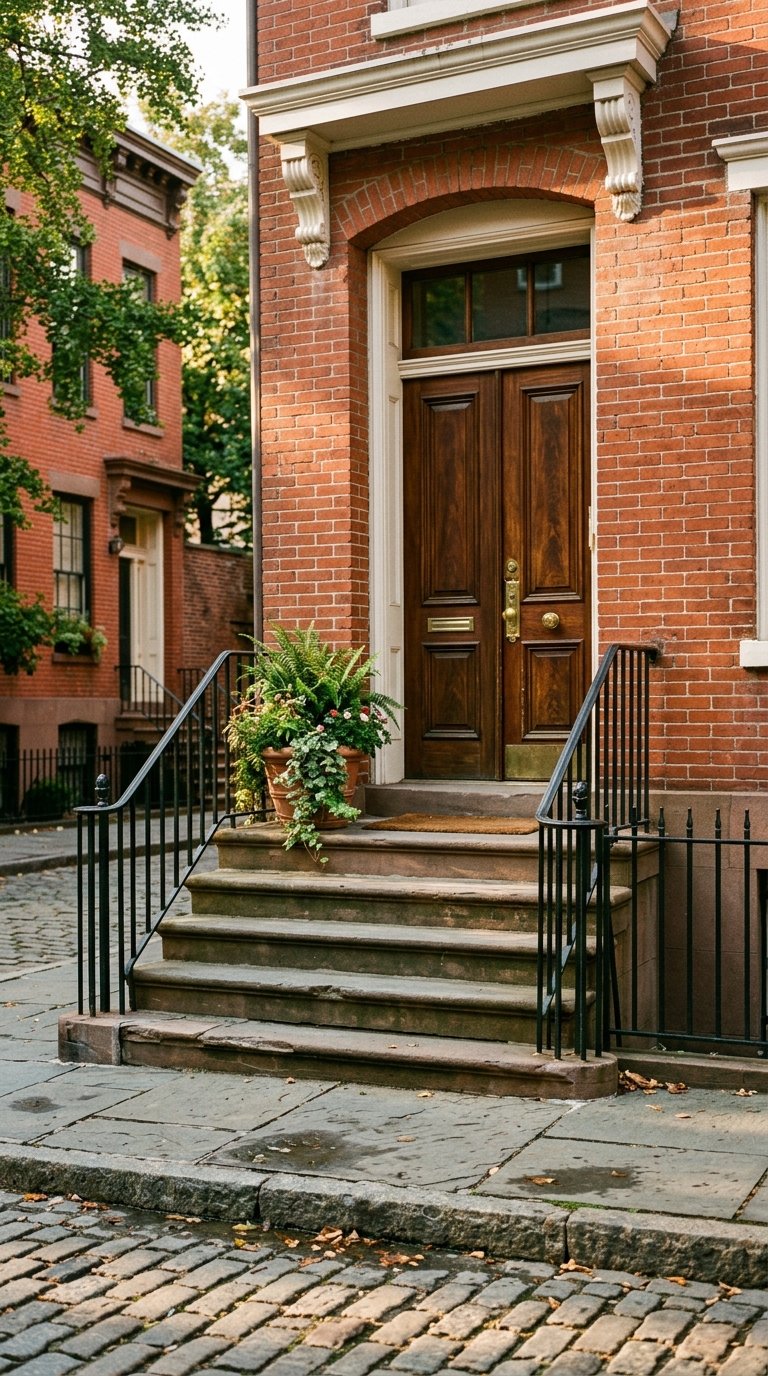
Greenwich Village is a compact, walkable slice of downtown centered on Washington Square Park with tree‑lined blocks, cafes, and low‑ to mid‑rise buildings that keep a classic NYC scale. Large portions sit within a designated historic district, which helps preserve pre‑war townhouses and brownstones and limits large‑scale redevelopment in many areas. That historic fabric shapes the look and feel of the neighborhood and contributes to steady demand. You can explore the historic context through the Greenwich Village Historic District overview.
The Village fits two common movers well: corporate transferees who want fast access to Midtown or Lower Manhattan and graduate students who value proximity to campus and services. Daily needs are close by, so you can live car‑free and rely on trains, walking, and ride‑hail.
Commute basics
Key stations and lines
- West 4th Street–Washington Square is a major hub with A, C, E and B, D, F, M service, which makes cross‑Manhattan trips simple. Get an overview of the hub on the West 4th Street station page.
- Union Square at 14th Street sits on the north edge with the 4/5/6, L, and N/Q/R/W, plus retail and services. See the 14th Street–Union Square overview.
- Christopher Street connects to New Jersey via PATH for Hoboken and Journal Square/33rd Street service. Check the PATH Christopher Street station page.
Typical time ranges
- Midtown: plan about 10 to 25 minutes depending on your exact office, time of day, and transfers.
- Financial District: usually 10 to 25 minutes by subway.
- For precise timing, use MTA or PATH trip planners or Google Maps the week you move, since service patterns vary by time and advisories.
What homes look like here
Building types
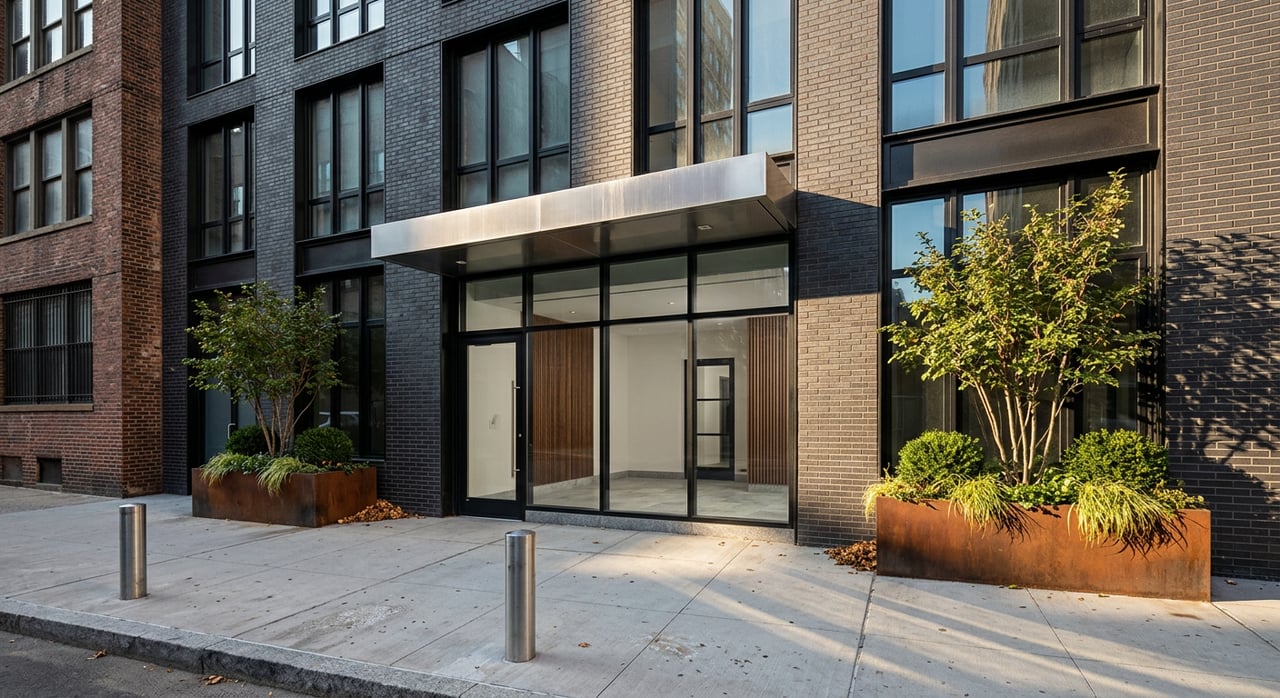
The housing stock skews pre‑war: co‑ops, brownstones, townhouses, and mid‑rise walkups are common. Condos and newer luxury buildings exist but are more limited than in some uptown and riverfront corridors. Because much of the Village is landmarked, exterior changes and full redevelopments can be more constrained, which preserves the low‑rise character and supports long‑term demand. For context, review the historic district profile.
Co‑op vs condo in plain English
- Co‑op: you buy shares in a building corporation and receive a proprietary lease. Expect board approval, stricter sublet rules, and common requirements for financing and post‑closing liquidity. Purchase prices per square foot can be lower than comparable condos.
- Condo: you receive deeded ownership with fewer approval steps and generally more flexible policies. Prices per square foot are usually higher and closing costs differ.
If you are new to NYC ownership, this quick explainer compares the two models clearly: co‑ops vs condos overview.
What it costs in 2026
Rents
Most aggregators show average Greenwich Village asking rents clustered in the low $5,000s to mid $6,000s per month for the neighborhood overall. For example, RentCafe’s neighborhood data reports averages around $5,500 to $6,600, which vary by unit size and amenity set; see the Greenwich Village rent trend summary. Smaller studios and compact one‑bedrooms can be below the neighborhood median, while doorman buildings and larger layouts trend higher.
Why numbers differ: sources use different samples, some track asking rents while others track signed leases, and amenity sets vary widely. Use ranges as a planning tool and confirm current asking levels as you start tours.
Purchase prices
Sales data varies by property type and source. Zillow’s neighborhood ZHVI reported a typical Greenwich Village home value of about $1.7 million as of January 2026. Neighborhood market reports commonly place recent median sale prices in the roughly $1.4 million to $1.9 million range, with significant differences between co‑ops, mid‑market condos, and townhouse listings. Treat these as directional, then price against current comps when you are ready to offer.
Renting fast vs buying
Renting timeline and what to prepare
If you can tour virtually and submit a complete application fast, many renters secure a unit and move in within 1 to 3 weeks after identifying the right place. More typically, allow 2 to 6 weeks to search, apply, get approved, and book movers and elevator time. Prepare photo ID, recent pay stubs, bank statements, employer or landlord references, and a resume or LinkedIn profile if requested.
A key rule change: New York City’s Fairness in Apartment Rental Expenses (FARE) Act took effect on June 11, 2025. Whoever hires the broker pays the broker’s fee, which means a landlord’s broker cannot charge the tenant. Review details or report issues through the city’s broker fee guidance from DCWP.
Students and international renters
Many landlords require a guarantor for students or applicants without local credit histories. NYU’s off‑campus resources point to common guarantor services and short‑term options; start 8 to 12 weeks before the term begins if you can. See NYU’s off‑campus living resources for guidance on guarantors and temporary housing.
Buying timeline and tips
Plan about 60 to 120 days from accepted offer to closing, with condos usually on the shorter end and co‑ops taking longer due to board package preparation and review. Many co‑ops expect at least 20 percent down and proof of post‑closing liquidity. To keep momentum, secure lender pre‑approval early, gather tax returns, bank statements, and reference letters up front, and work with a local attorney and a buyer’s agent experienced with Village co‑ops and condos.
Move‑in logistics that trip people up
Village co‑ops and condos often require a move application, elevator reservation, certificates of insurance from your mover, and a refundable deposit. Missing any of these can stop your move at the curb. A practical overview of building move requirements and COIs is here: NYC co‑op move rules and COIs.
Street logistics matter too. Many moves need temporary curb space or “no parking” signage for the truck, and end‑of‑month and summer dates book up quickly. Coordinate with your building’s superintendent early, and target mid‑month, mid‑week where possible.
Tight‑timeline checklist (2–3 weeks)
- Confirm your lease or closing date and the earliest move window with building management.
- Book a mover that issues COIs and regularly handles NYC co‑op and condo moves.
- Submit the building’s move application, COI, and any move deposit at least 10 to 14 days before the move.
- Reserve the elevator and plan protection for floors, doors, and walls with building staff or your mover.
- Coordinate curb space or temporary signs and confirm the truck’s loading spot with your super.
Tips for transferees and students
Corporate transferees
- Ask your relocation team about corporate housing or a month‑to‑month furnished lease to start. That can buy time to tour in person and choose the right building and block.
- Many programs will cover a tenant‑hired rental broker. If not, the FARE Act changes who pays the landlord’s broker, which can lower cash needed at lease signing.
- If you plan to drive, note that Village garage parking is limited and costly. Many residents live car‑free and rely on trains, walking, and ride‑hail.
Graduate students
- On‑campus graduate housing is limited. Apply early and prepare a parallel off‑campus search.
- Sublets and roommate shares are common short‑term options. Vet listings carefully, confirm landlord approval for sublets, and use a written agreement.
- Line up a qualified guarantor or a vetted guarantor service before you tour to move faster on approvals.
Next steps
Every move is different. If you want a tailored search plan, current rent and price ranges for your exact criteria, and hands‑on coordination for tours, applications, and move logistics, reach out to Ava Anz to get started.
FAQs
Is Greenwich Village only for students?
- No. NYU is a visible presence, but the neighborhood includes long‑term residents and working professionals across many fields, and the housing types and prices reflect that mix.
What are typical commute times from the Village?
- Many Midtown and Financial District offices are about 10 to 25 minutes away by subway depending on your exact address, transfer needs, and time of day.
How much should I budget for rent near NYU?
- Recent aggregators show neighborhood averages around the low $5,000s to mid $6,000s per month, with smaller studios below and doorman or larger units above that range.
How long does a Manhattan co‑op purchase take?
- Expect roughly 60 to 120 days from accepted offer to closing, since co‑op board packages and reviews add several weeks compared with a typical condo timeline.
Do I need a guarantor as a grad student or international renter?
- Often yes. Many landlords expect a qualified U.S. guarantor, and NYU lists vetted guarantor services students commonly use.
Can I find a short‑term furnished place to start?
- Yes. Corporate housing and furnished providers operate in Manhattan, though monthly costs are higher than standard one‑year leases. Many transferees use this as a bridge while they search.